

Nepal rescuers blast hillside for workers as families wait
Nepal rescue teams use explosives and pump air into Trishuli River tunnels to find over 600 missing hydropower workers after floods kill 939 on the border.
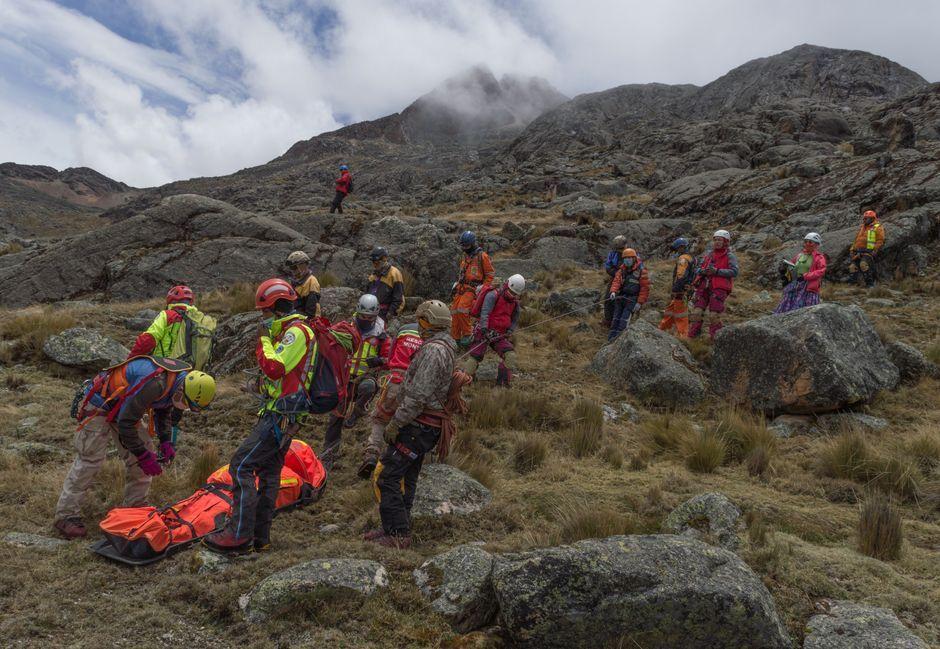
Stock photo for illustration only, not from the actual event
- Rescue teams in Nepal are using explosives and drilling hillsides along the Trishuli River to reach over 600 trapped workers.
- The death toll from the devastating floods along the Nepal-Tibet border has reached 939, with 3,925 people still missing.
- Prime Minister Balendra Shah reported that a total of 11,379 people have been rescued so far.
- International rescue operations involve military personnel from China and Nepal, alongside experts from India, Korea, and Australia.
Families of more than 600 workers believed to be trapped inside a vast network of mud-filled tunnels along Nepal's Trishuli River are holding on to desperate hope that their loved ones will be found alive. Rescue teams continued their arduous efforts on Monday, deploying explosives to blast into the hillside before pumping fresh air into the Trishuli-3A site as fears mount that the critical window to save survivors is rapidly closing.
Anushila Bhandari, wife of 33-year-old missing project engineer Aurus Bhandari, told BBC Nepali that she wishes her husband could be found and come home safely. This crisis unfolds as the death toll from the catastrophic flood disaster along the Nepal-Tibet border climbed to 939, according to the country's disaster management authority.
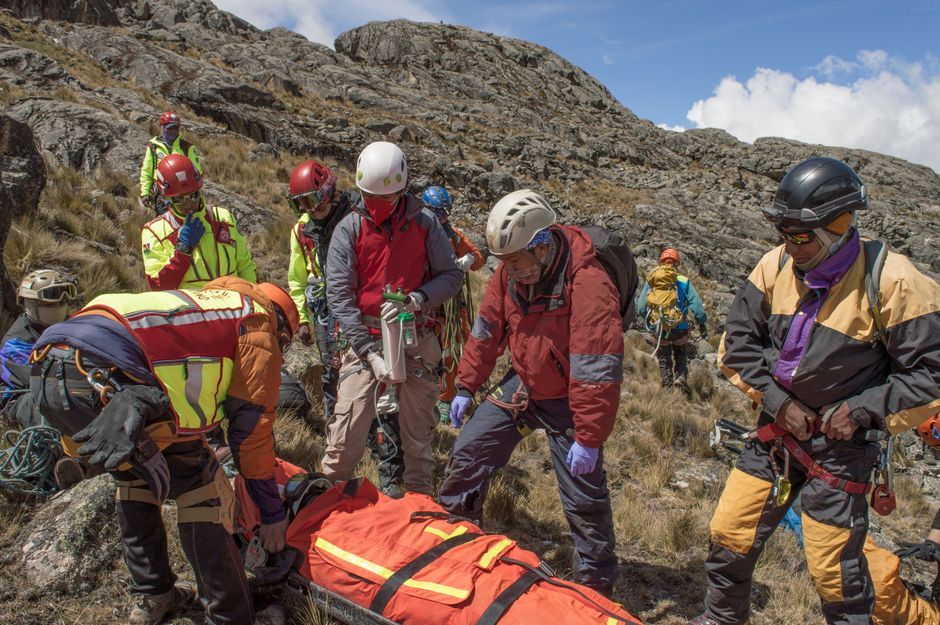
Stock photo for illustration only, not from the actual event
The agency also revised its estimate of missing individuals to 3,925, including 592 foreign nationals, with approximately one in seven missing people believed to be hydropower plant laborers. Nepalese Prime Minister Balendra Shah stated on Monday that 279 people have been successfully rescued from the project sites. The international rescue mission is spearheaded by Chinese and Nepalese military personnel, with specialized experts from India, Korea, and Australia also participating.
This disaster highlights the extreme vulnerabilities of hydropower infrastructure nestled within Nepal's steep mountain ranges. The severe damage inflicted on multiple facilities underscores the logistical nightmares faced by emergency responders when mudflows choke underground tunnels, making traditional rescue techniques virtually impossible without heavy engineering intervention.
"The longer it takes, the more our hope dies. This operation must move much faster because every second is meaningful to us."
Sita Pandey, whose husband was working inside the plant when the floods struck, told the Nepalese daily Kantipur that she retains a 50 percent hope for his survival due to the presence of an oxygen system inside. Nepal relies heavily on hydropower, and authorities confirmed that at least 11 completed or ongoing projects sustained severe damage during the floods.
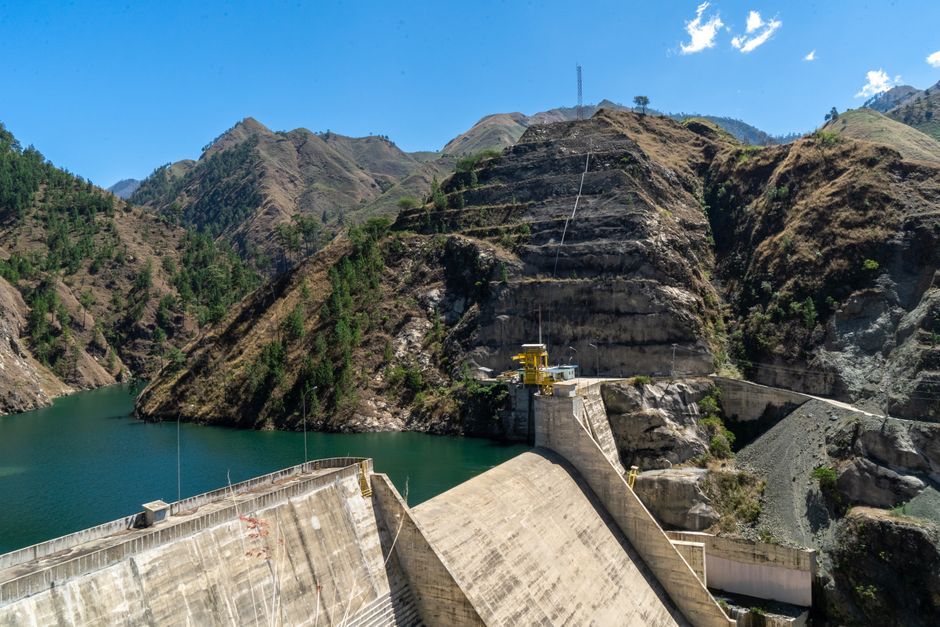
Stock photo for illustration only, not from the actual event
Jiban Khadka, whose relative remains trapped inside the plant, argued that pumping air into the tunnels should have begun earlier. Although a rescue team managed to penetrate a tunnel leading to one hydropower facility on Monday morning, they were forced to withdraw after finding no one inside. Prime Minister Shah emphasized that rescue operations have been intensified, bringing the total number of rescued individuals across all affected areas to 11,379.
Source: BBC World
Found something wrong in this article? Report an issue with this article
Comments
Leave a Comment