

Family fear for missing hydropower worker after Nepal flood
Jyoti Upadhyay, a Nepali living in Wales, shares her despair as she awaits news of hydropower worker Jit Bahadur Chaudhary after Nepal's massive flash flood.
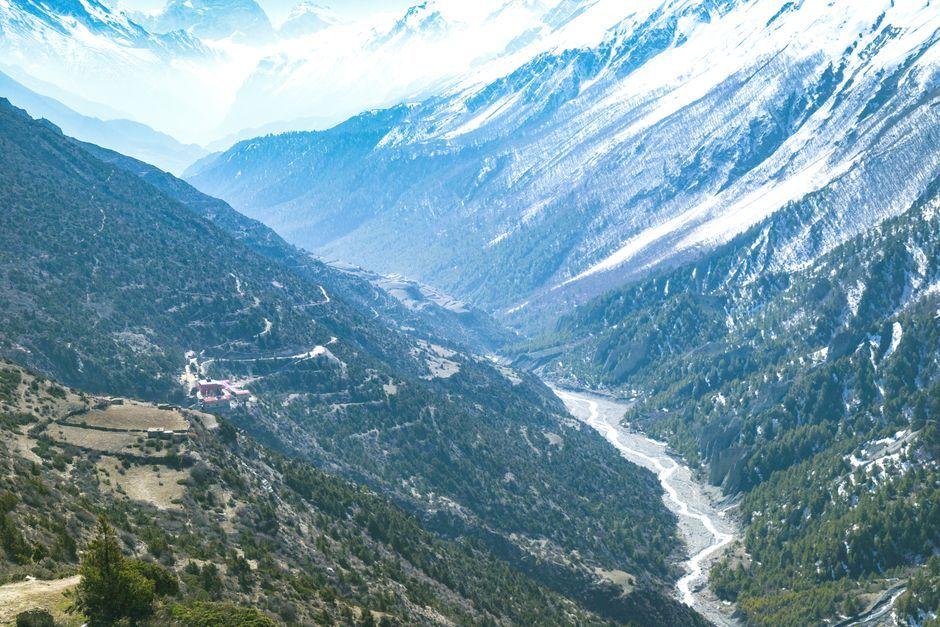
Stock photo for illustration only, not from the actual event
- Jyoti Upadhyay in Wales loses hope for her relative missing in Nepal floods
- Hydropower worker Jit Bahadur Chaudhary remains unaccounted for at Trishuli 3B
- Over 4,000 people are reported missing following the catastrophic glacier collapse
A tragic natural disaster in Nepal has left families thousands of miles away in profound anxiety. Jyoti Upadhyay, a native of Nepal who has resided in Tal-y-bont, Ceredigion, Wales, for the past five years, expressed her deep despair during an interview with BBC Radio Wales Breakfast, stating that she and her husband have been unable to gather any information regarding the whereabouts of Jit Bahadur Chaudhary.
Although not related by blood, Chaudhary is considered a core member of the family, having lived with Upadhyay's mother-in-law for 25 years. At the time of the disaster, he was working as a driver at the Trishuli 3B hydropower site located in Bagmati Province. Upadhyay recalled that during the initial days following the disaster, they held onto hope that he might have managed to walk to higher ground and undertake the arduous 60-mile trek home, but as days passed, that optimism quickly faded away.
The scale of the devastation is immense. Authorities reported that by Monday morning, 933 hydropower workers across various sites in Nepal were missing, contributing to a total of 4,247 unaccounted individuals, with at least 903 confirmed fatalities. The catastrophe was triggered by a glacier collapse, an event where part of a glacier disintegrates. According to the US Geological Survey (USGS), the impact of the ice crashing into the valley floor registered a magnitude 5.2 tremor, unleashing powerful floodwaters and debris that surged roughly 62 miles downstream.
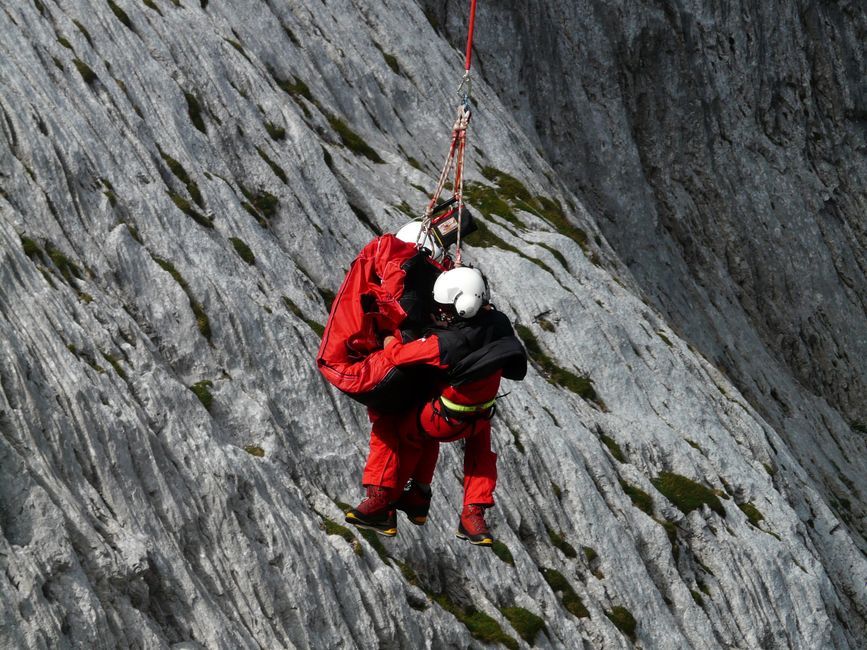
Stock photo for illustration only, not from the actual event
"To be honest, since Saturday we have lost hope"
Upadhyay explained that communication lines collapsed within 20 minutes of the disaster, leaving phone signals dead and forcing families to rely on news broadcasts, local contacts, and updates regarding the operations of the Nepali army and police.
Glacial lake outburst floods and glacier collapses represent severe and growing hazards across the Himalayan region as rising global temperatures destabilize ice formations. The destruction of critical energy infrastructure like hydropower stations not only disrupts national power supplies but also inflicts profound psychological and emotional tolls on diaspora families who endure agonizing waits across international borders.
Rescue operations have heavily concentrated on the Trishuli 3A and 3B tunnel-system sites. Nepali authorities have resorted to controlled blasts in the hillsides to clear pathways and reach those trapped, aided by specialized helicopters and heavy machinery required to carve through thick layers of mud in the rugged terrain.
Furthermore, Upadhyay highlighted the cultural significance of death rituals in Nepal, emphasizing how crucial funeral rites are for the afterlife. The inability to recover bodies of loved ones swept away by the floods robs families of closure, compounding the heartbreak of this unprecedented natural disaster.
Source: BBC Science & Environment
Found something wrong in this article? Report an issue with this article
Comments
Leave a Comment