

Nepal Flood: Tunnel rescue operation saves trapped workers
Tunnel expert Arnold Dix details the grueling rescue operation in Nepal after flash floods along the Nepal-Tibet border killed 1,300 people.
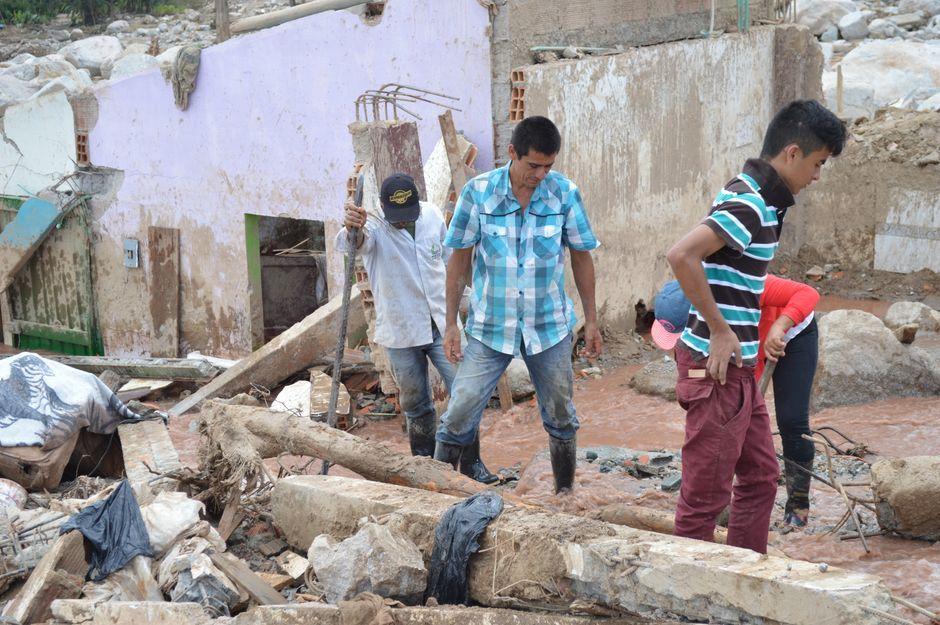
Stock photo for illustration only, not from the actual event
- Nepalese rescuers successfully pulled two workers, Sanjaya Shah and Kabir Maharjan, alive from a blocked tunnel.
- Experts had to use explosives to clear mud and car-sized boulders blocking the Trishuli 3A Hydropower Station tunnel.
- Dozens of people are still believed to be trapped deep inside the mountain facility.
A daring rescue operation following massive flash floods along the Nepal-Tibet border—which has claimed 1,300 lives—has succeeded in reaching survivors trapped inside a blocked hydropower tunnel, with tunneling expert Arnold Dix detailing the extraordinary efforts required to breach the site at the Trishuli 3A Hydropower Station.
The initial challenge involved locating the tunnel entrance in a landscape drastically altered by the disaster. Dix and his team utilized engineering techniques, historic topographic maps, post-disaster satellite imagery, helicopter footage, and surface markers like power poles to triangulate the entrance before beginning excavation work.
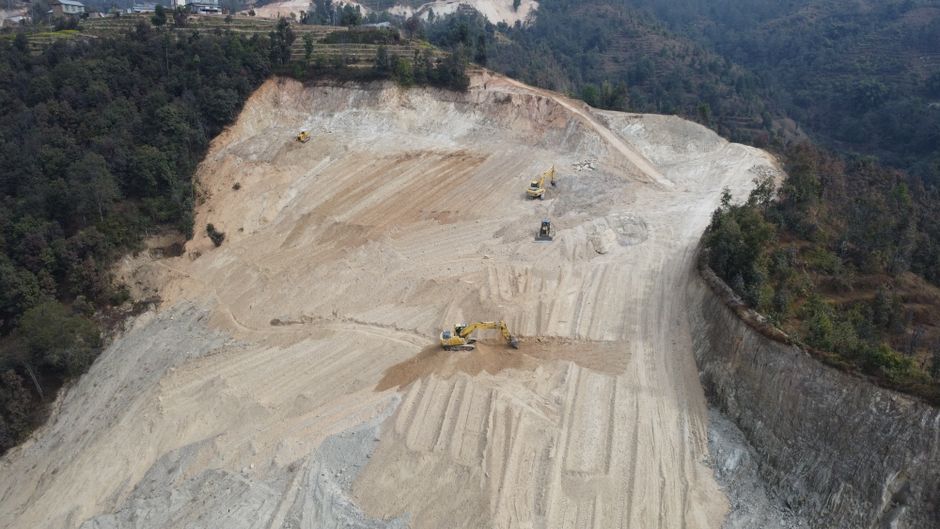
Stock photo for illustration only, not from the actual event
Once the entrance was found, rescuers encountered a tunnel completely blocked by mud and rocks, some as large as cars. The team was forced to use explosives to clear the path—a method normally avoided due to the extreme risk of destabilizing the tunnel or harming those trapped inside—while Dix praised the Nepalese army for executing the blasts with precise control.
In addition to debris, the tunnel remained filled with water. Rescuers deployed excavators and water pumps to dig drainage trenches leading to a nearby river, while also carving out a person-sized passageway through the upper rubble. In the early hours of Friday morning, voices were heard, leading to the extraction of Sanjaya Shah and Kabir Maharjan alive.
"We would normally never do because of the risk of blowing up people [trapped in the tunnel] and blowing ourselves up."
Arnold Dix, Tunneling Expert
With dozens of individuals still missing inside, the mission is far from complete. Dix estimated that the team has advanced roughly 60 meters from the entrance and must clear another 150 meters to reach the main hydropower station situated deep within the mountain.
This catastrophic flash flood highlights the severe vulnerabilities of remote infrastructure facilities situated near mountainous river borders. Subsurface rescue operations in water-logged and debris-choked tunnels require meticulous precision, combining advanced topological triangulation with high-risk engineering interventions like controlled detonations.
Source: BBC World
Found something wrong in this article? Report an issue with this article
Comments
Leave a Comment