

Korn Chatikavanij Proposes 10% Budget Cut for FY 2027
Korn Chatikavanij of the Democrat Party proposed a 10% overall budget cut for the 3.78 trillion baht FY 2027 budget during a House meeting on Sept 7, 2026.

Stock photo for illustration only, not from the actual event
- Korn Chatikavanij proposed a 10% across-the-board cut for the 2027 fiscal budget.
- He criticized a 400-billion-baht borrowing plan for recycling old projects and procurement.
- The total budget under parliamentary review for fiscal year 2027 is 3.78 trillion baht.
- The House meeting took place on September 7, 2026, chaired by Sophon Sarum.
On September 7, 2026, at 09:00 AM, a House of Representatives meeting was held at the Thai Parliament, chaired by Sophon Sarum, President of the National Assembly. The agenda focused on deliberating the second and third readings of the fiscal year 2027 expenditure budget bill, which had already been scrutinized by the ad hoc committee.
Later at 10:47 AM, Korn Chatikavanij, a party-list MP from the Democrat Party, took the floor during the debate on Section 4. He proposed that the government reduce the overall budget by 10% across all ministries and agencies, allowing the Cabinet to reallocate those funds to address five key structural issues.
Beyond the budget reduction proposal, Korn issued a direct warning to the administration, cautioning that maintaining traditional allocation methods would risk trapping the country in structural stagnation. He also criticized the 400-billion-baht borrowing plan, pointing out that the funds would ultimately be recycled into conventional projects and routine supply purchases.
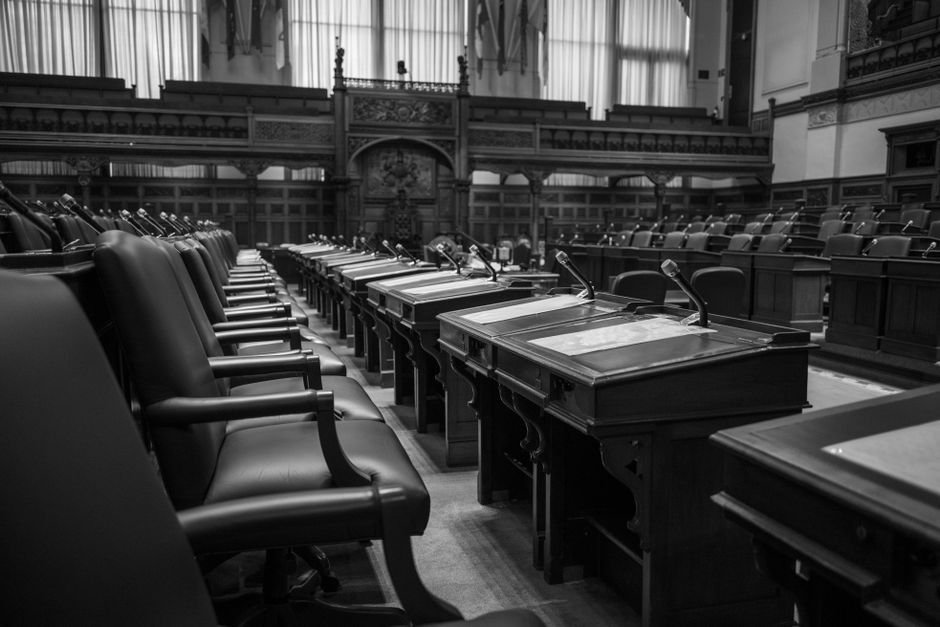
Stock photo for illustration only, not from the actual event
The proposal to slash the budget by 10% and the criticism surrounding the 400 billion baht borrowing plan highlight ongoing debates regarding fiscal discipline and public resource allocation in Thailand. Such parliamentary critiques are designed to pressure the government into maximizing the efficiency of taxpayer money rather than relying on conventional spending habits.
Source: Khaosod Politics
Found something wrong in this article? Report an issue with this article
Comments
Leave a Comment