

India’s Inbound Problem: With Marketing Budget Gutted, Government Enlists Air India and IndiGo
India's Ministry of Tourism partners with its top two airlines to boost foreign arrivals after consecutive yearly declines.
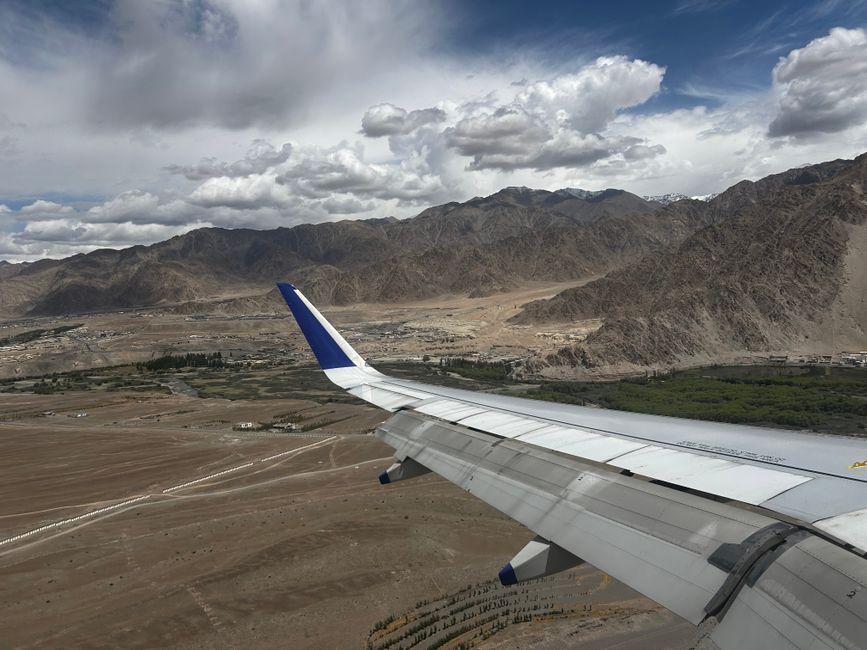
Stock photo for illustration only, not from the actual event
- India partners with IndiGo and Air India to drive international tourism.
- Airlines will use global networks and digital platforms to promote the country.
- Inbound tourism struggles with a 9.4% drop in foreign arrivals in 2025.
- Structural hurdles like visa rules and safety concerns still need attention.
India is moving to offset its shrinking marketing budgets by giving its domestic carriers a much larger responsibility in selling the country to international travelers. However, industry observers note that relying solely on airline partnerships will not instantly resolve the deeper structural challenges holding back the nation's inbound tourism sector.
The Ministry of Tourism officially signed a partnership agreement with IndiGo on Thursday to boost foreign visitor numbers through the new "Incredible India by IndiGo" initiative. This agreement comes just three days after a parallel partnership was struck with Air India to jointly promote the country as a premier global destination and solidify its position as an aviation transit hub.

Stock photo for illustration only, not from the actual event
Under these agreements, both airlines will leverage their extensive international networks, inflight entertainment systems, digital channels, and overseas marketing events to encourage global travel to India. These joint efforts represent some of the government's most substantial tourism marketing pushes in recent years as the country struggles to recover its inbound tourism market following the pandemic.
The shift toward utilizing major commercial airlines for destination marketing highlights how government budget constraints are forcing a creative restructuring of tourism promotion. While leveraging carrier networks mirrors successful tourism models seen in hubs like Dubai and Singapore, turning it into long-term success requires addressing foundational infrastructure and traveler confidence.
Despite these promotional campaigns, data shows that India captured only 1.4% of global tourist arrivals in 2025, with foreign arrivals falling 9.4% to about 9 million—remaining well below 2019 levels. Analysts emphasize that overcoming this prolonged slump will demand far more than airline marketing, including upgrades to visa processes, safety measures, and overall connectivity.
Source: Skift
Found something wrong in this article? Report an issue with this article
Comments
Leave a Comment