

Where to see the biggest solar eclipse since 1999 across the UK
Up to 95% of the sun will disappear behind the moon on 12 August, delivering the most dramatic solar eclipse visible in the UK in nearly three decades.
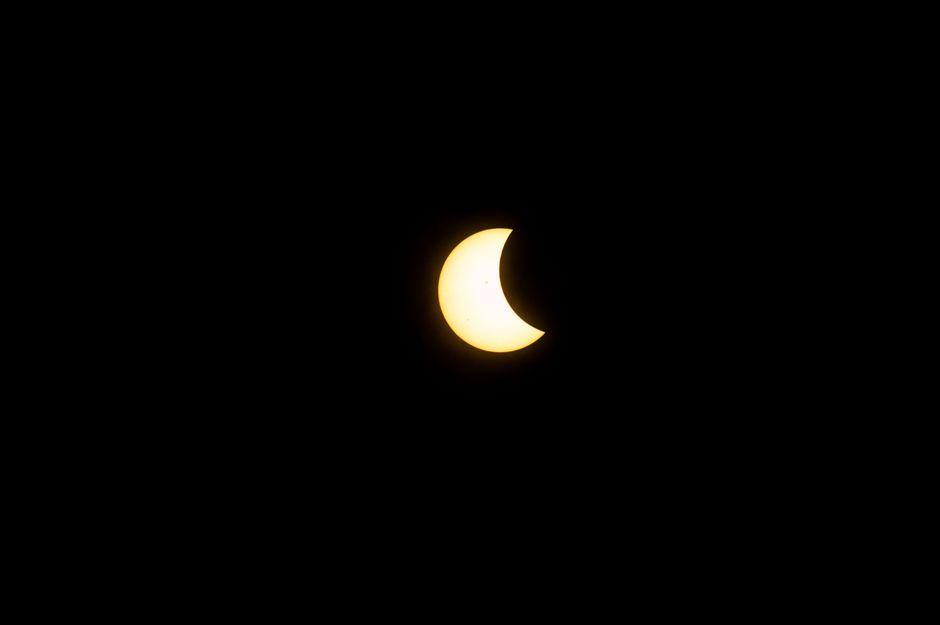
Stock photo for illustration only, not from the actual event
- The most impressive solar eclipse visible in the UK since August 1999.
- Taking place on 12 August, with up to 95% of the sun obscured in Cornwall and the Isles of Scilly.
- A clear view of the western horizon is essential because the eclipse occurs during the evening.
- Viewers must use ISO 12312-2 certified eclipse glasses and never rely on standard sunglasses.
Stargazers and astronomy enthusiasts across the West Country are gearing up for the finest view of a solar eclipse in nearly thirty years, as up to 95% of the sun vanishes behind the moon on 12 August. This rare celestial phenomenon marks the most dramatic eclipse visible from Britain since the memorable event of August 1999.
While the path of totality for this solar eclipse sweeps across Northern Russia, Greenland, Iceland, Spain, and Northern Portugal, missing the UK directly, the National Space Centre points out that observers in Britain will still witness over 90% of the solar disc covered. Cornwall, Devon, Somerset, and Bristol stand out as prime locations for taking in the spectacle.
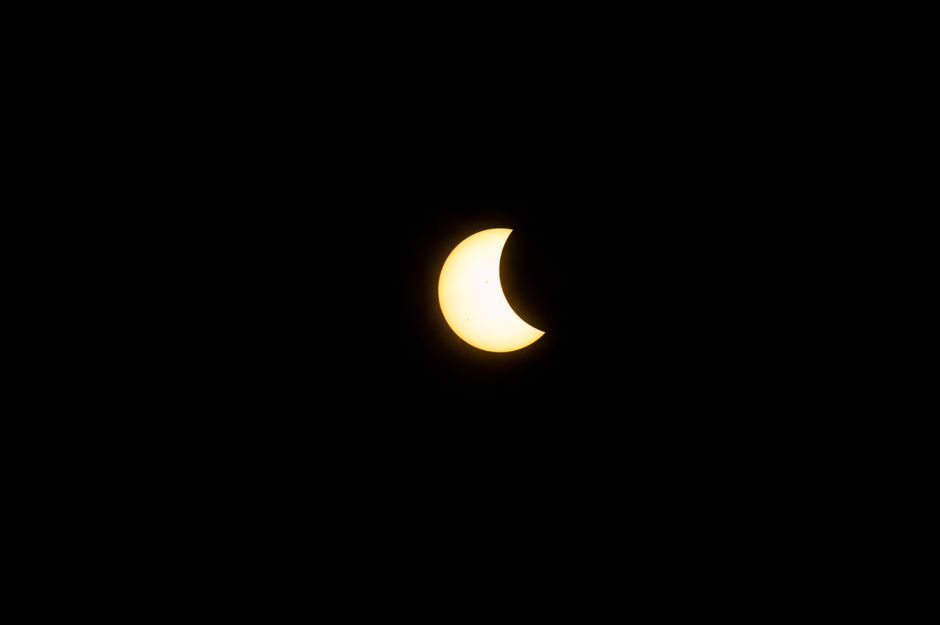
Stock photo for illustration only, not from the actual event
Royal Museums Greenwich notes that the partial eclipse will kick off at 18:17 BST for viewers in the West Country. Maximum eclipse hits at 19:12 BST, and the entire celestial display wraps up at 20:06 BST. Because the event unfolds during the evening hours, securing an unobstructed line of sight toward the western horizon is absolutely crucial.
"Other than the weather, the only other criteria is a good view all the way to the horizon looking West. This is because it's an evening eclipse and the sun/moon will be dropping closer to the horizon during the eclipse."
Simon Holbeche, chair of the Bath Astronomers
Observing an eclipse that occurs so late in the day presents unique framing and horizon challenges compared to midday events, as the celestial bodies sink lower into the atmosphere. Utilizing elevated, tree-free vantage points or westerly-facing windows becomes vital. Furthermore, practical field techniques, such as using outstretched hand measurements to track the sun's trajectory from start to finish, offer amateur astronomers a reliable way to scout ideal observation spots ahead of time.
The Royal Observatory Greenwich reminds the public to prioritize safety by utilizing dedicated solar telescopes, pinhole projectors, or official live streams. Dr. Stephen Price, chair of the Bristol Astronomical Society, emphasizes that with favorable weather, the event will prove to be an extraordinary astronomical spectacle, strictly advising that observers wear ISO 12312-2 certified eclipse glasses rather than standard sunglasses.
Source: BBC Science & Environment
Found something wrong in this article? Report an issue with this article
Comments
Leave a Comment