

Mexico Will Spend $115 Million Fighting Rotting Seaweed as Hotels Slash Rates
The Mexican government is committing millions to combat record levels of decaying brown seaweed washing up on Caribbean beaches, while the tourism industry struggles with soaring cleanup costs and rate cuts.
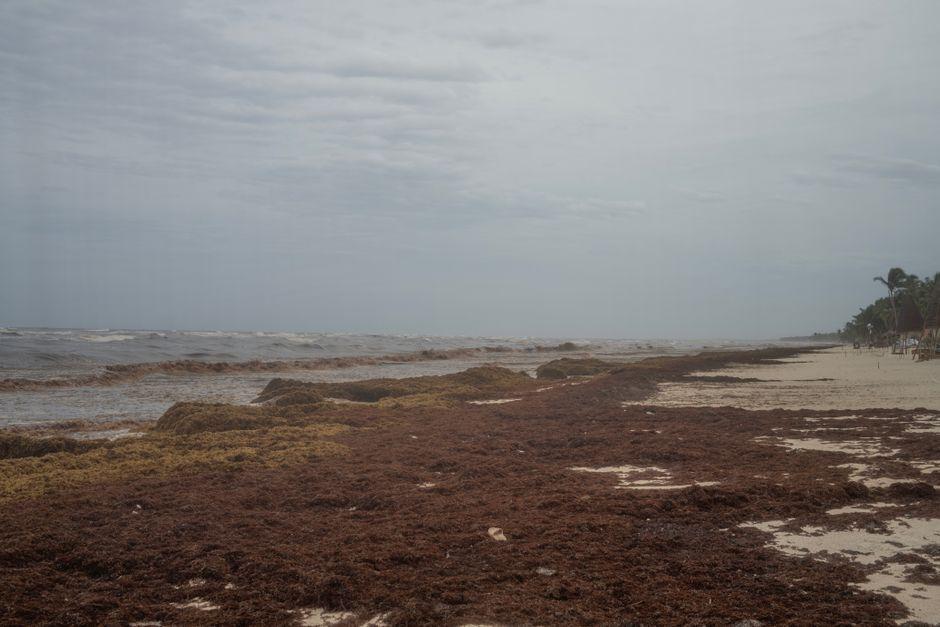
Stock photo for illustration only, not from the actual event
- Mexico is investing $115 million through 2026 under its Sargassum Action Plan
- Funds will target specialized vessels, offshore barriers, and sea monitoring systems
- This year's collection has already surpassed all of last year, pushing hotels to cut rates up to 40%
- Industry operators are pushing for long-term environmental planning and sustainable solutions
The Mexican government is committing $115 million (2 billion pesos) through 2026 to its Sargassum Action Plan, targeting the tourism-dependent state of Quintana Roo—home to major destinations like Cancun and Tulum—as the wider Caribbean faces its worst-ever season of smelly, decomposing brown algae.
The funding will finance specialized collection vessels, offshore barriers, and monitoring systems designed to intercept sargassum at sea before it reaches the shore. This initiative aims to boost daily collection capacity from the current 1,227 tons toward an ultimate goal of 4,000 tons, easing the grueling cleanup burden on hospitality workers.
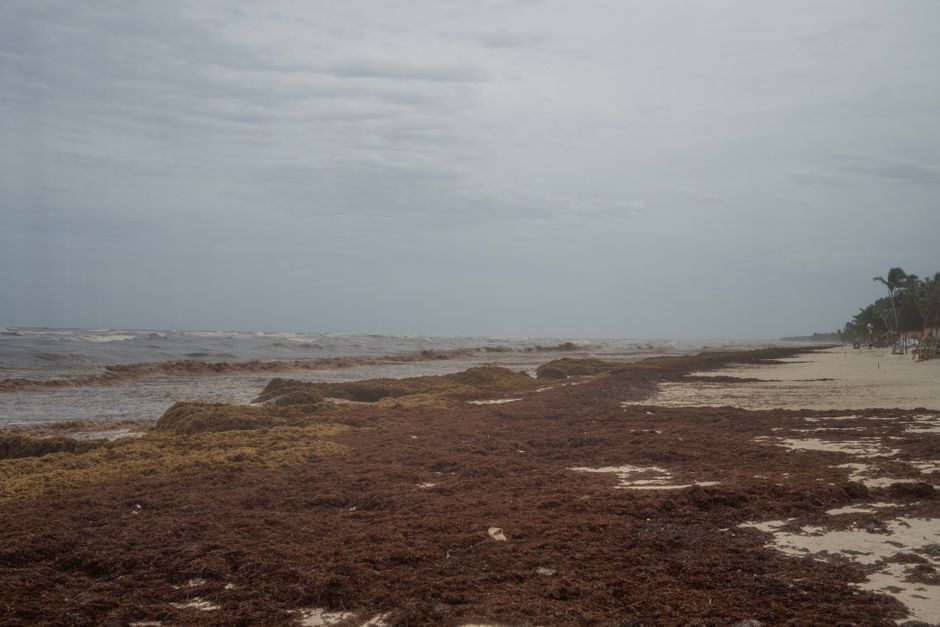
Stock photo for illustration only, not from the actual event
Sargassum first emerged in the region in significant quantities back in 2011 and has continued to wash ashore in massive waves in recent years, with 2026 shaping up to be the worst on record. While a moderate amount of sargassum in the open ocean provides a healthy habitat for marine life and birds, mass decomposition upon beaching releases hydrogen sulphide gas with a pungent rotten-egg odor, repelling tourists and suffocating shallow coral reefs and seagrass.
The surge in sargassum blooms is generally attributed to rising ocean temperatures driven by climate change and nutrient pollution. Beyond immediate coastal cleanup efforts, transforming the collected seaweed into scalable, profitable circular-economy products such as biofertilizers, energy biomass, and cosmetics remains a critical frontier for mitigating the long-term economic and environmental fallout.
While tourism operators welcomed the financial injection, critics argue that the strategy focuses too heavily on cosmetic fixes to keep beaches looking pristine for visitors. Hotels have shouldered significant cleanup expenses, slashed room rates by up to 40%, and even weighed shortening their operating seasons. Meanwhile, this year's collection has already reached 96,151 tons—surpassing the total volume of the previous year—while some industry associations previously lobbied unsuccessfully for a state of emergency to unlock extraordinary funds.
Source: Skift
Found something wrong in this article? Report an issue with this article
Comments
Leave a Comment