

U.S. Makes Visa Bond Program Permanent as Targeted Visa Issuance Drops 83%
The United States is finalizing a permanent visa bond rule requiring travelers from select at-risk nations to deposit up to $20,000.
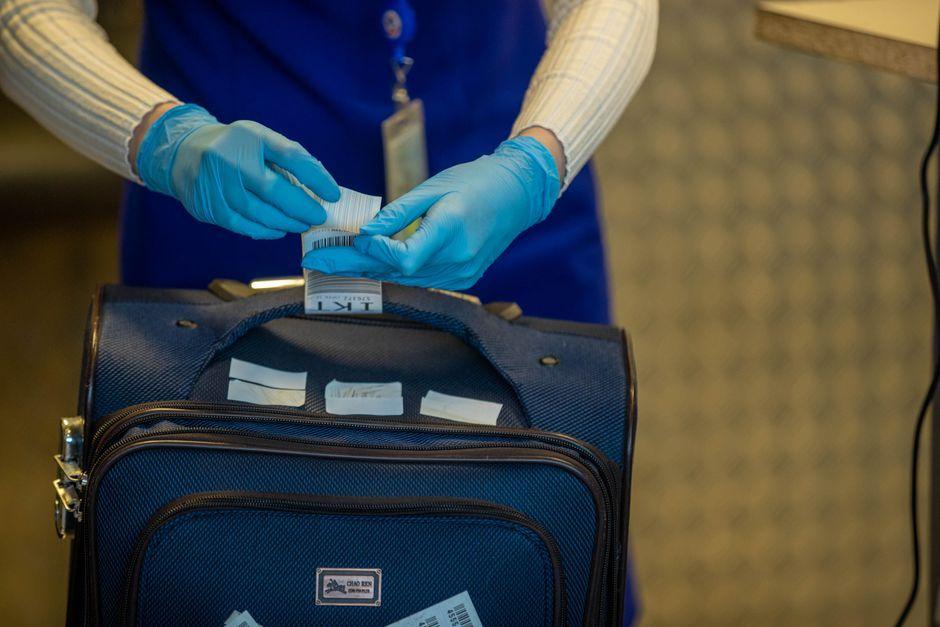
Stock photo for illustration only, not from the actual event
- The U.S. is permanently adopting a visa bond program for ~50 at-risk countries, effective August 3.
- Travelers must deposit up to $20,000 (mostly set at $15,000) for a refundable B1/B2 visa.
- The policy successfully slashed overstays from over 45,000 in FY2024 to under 50.
- Compliance strictly requires commercial air arrival and departure with no formal waiver process.
The United States is establishing its visa bond program as a permanent fixture, requiring tourists and business travelers from designated at-risk countries to temporarily deposit funds of up to $20,000 to secure a visa. This final rule concludes a year-long pilot program that initially covered a couple of nations before expanding to roughly 50 countries, primarily smaller African nations alongside Venezuela and Nigeria. The official rule is scheduled for publication on the Federal Register’s website and will take effect on the exact same day.
Under the finalized guidelines, the required bond amounts are mostly set at $15,000, with certain countries assigned figures of $10,000 or $20,000. These financial thresholds are slated for inflation adjustments every seven years beginning in October 2027. The program specifically targets applicants seeking temporary B1 and B2 visas, which are normally utilized by business visitors and leisure travelers.
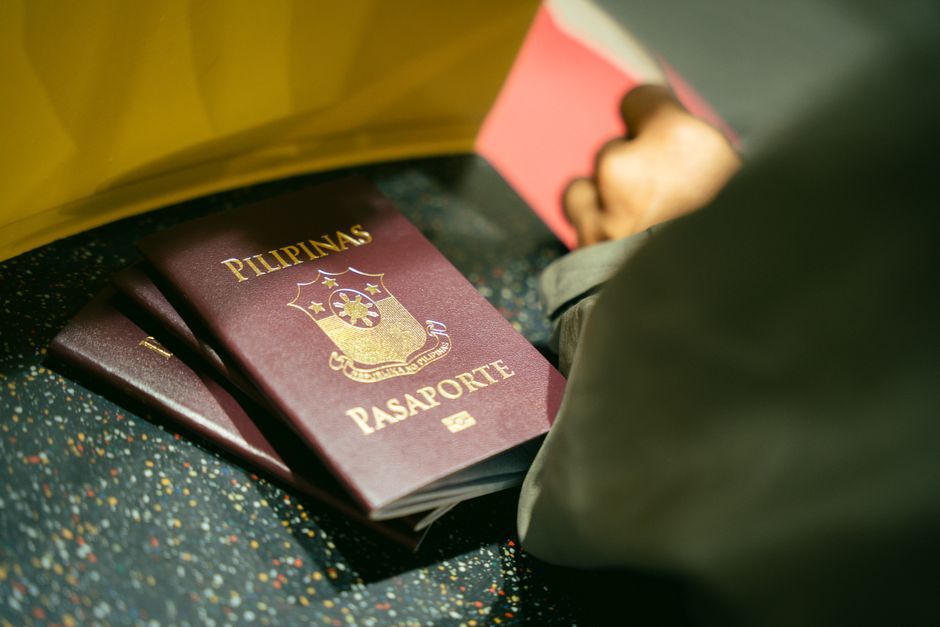
Stock photo for illustration only, not from the actual event
Transitioning the visa bond pilot into a permanent policy highlights a strict financial enforcement approach to immigration control. While the targeted nations generally represent smaller inbound tourism markets for the United States, implementing such high-friction barriers during a period when overall international visitation has already experienced a downturn could further discourage global travel interest.
Travelers who adhere strictly to the program's terms are eligible to receive a full refund of their bond money. However, compliance mandates that visitors must arrive in and depart from the United States exclusively via commercial air, excluding land and sea ports. Furthermore, the State Department has established no formal waiver application process, leaving exceptions strictly limited and dependent on consular officer discretion.
While the State Department champions the initiative as a highly effective compliance mechanism—noting that overstays from affected countries plummeted from more than 45,000 in fiscal year 2024 to fewer than 50—the data also reveals a massive chilling effect on travel demand. Specifically, B1/B2 visa issuances from the pilot countries experienced an 83% drop as of July, proving that the policy effectively deters visa applications alongside enforcing overstay compliance.
Source: Skift
Found something wrong in this article? Report an issue with this article
Comments
Leave a Comment