

Inside the Thai Navy: Race for Commander-in-Chief Narrows Down to Two Top Contenders
An analysis of the final stretch for the Royal Thai Navy chief position, focusing on two leading candidates with two years remaining in service, alongside updates on UAV procurements and military developments.
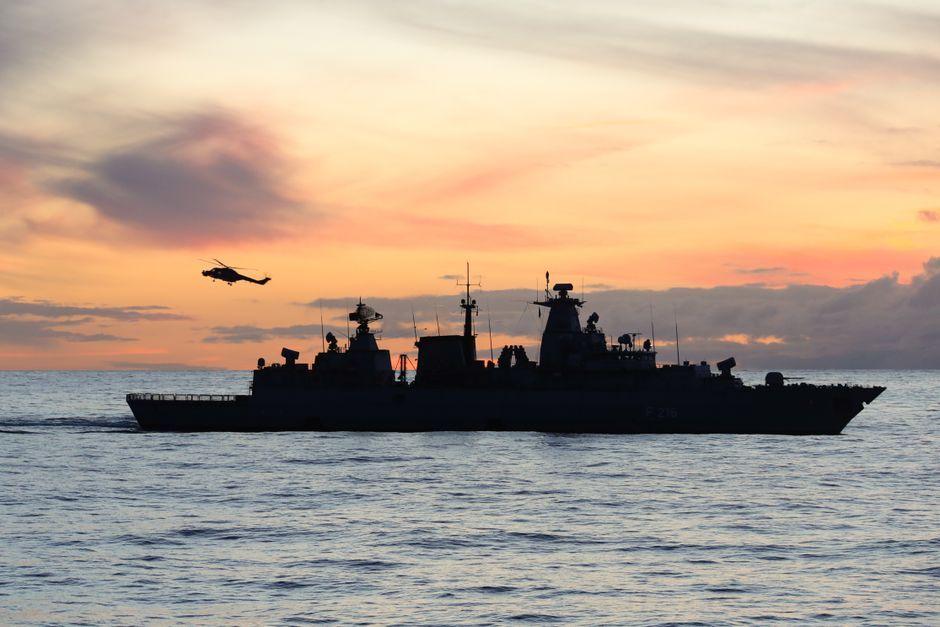
Stock photo for illustration only, not from the actual event
- The race for the Royal Thai Navy chief narrows to two contenders with two years left in service.
- Admiral Nares Wongtrakul and Admiral Thadawudh Thatpitakkul emerge as the final front-runners.
- UAV delivery schedules adjusted due to conflict in Israel and regional border security needs.
The race for the commander-in-chief of the Royal Thai Navy has reached its final stage, initially starting with four potential candidates. The group included officers with one year of service remaining, such as Deputy Navy Commander Adm. Suchart Thampitakwech (Pre-Cadet Class 25), who held the highest seniority, and Fleet Commander Adm. Korawit Chayarothi (Pre-Cadet Class 26), whose initial momentum regarding the frigate project has reportedly slowed down.
However, attention has shifted strongly toward candidates with two years remaining in their military careers. The current front-runner is Assistant Navy Commander Adm. Nares Wongtrakul (Pre-Cadet Class 26), alongside dark-horse candidate Chief of Staff Adm. Thadawudh Thatpitakkul (Pre-Cadet Class 27). Inside sources indicate that the final decision has now narrowed down strictly to these two names.
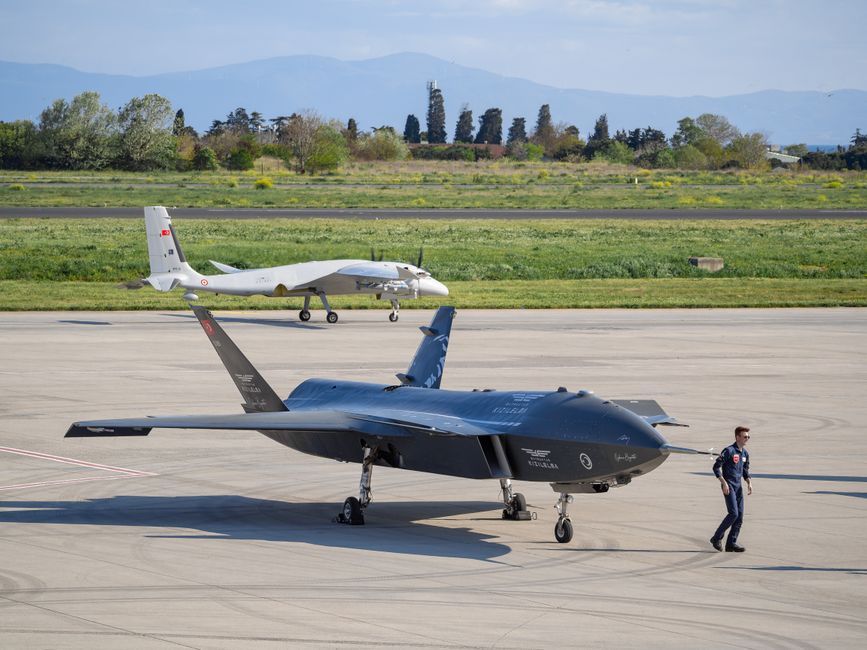
Stock photo for illustration only, not from the actual event
The selection of military leadership in Thailand typically balances seniority with the remaining tenure of candidates to ensure administrative continuity. The prominence of officers with a two-year horizon highlights a strategic shift toward long-term planning, especially as the navy navigates evolving maritime security challenges and regional geopolitical tensions.
Meanwhile, the delivery of Unmanned Aerial Vehicles (UAVs) has been slightly postponed due to ongoing conflicts in Israel. These drones are assigned patrol missions along territorial borders, the Gulf of Thailand, and the Andaman Sea. Observers are also monitoring whether recent maritime disputes will prompt the navy to upgrade its drone capabilities and acquire additional defense systems subject to budget allocations.
Source: Matichon Politics
Found something wrong in this article? Report an issue with this article
Comments
Leave a Comment