

Scientist solves mystery of elusive 'pink zebra' seaweed after a 40-year quest
Prof Christine Maggs first discovered the pink-striped seaweed during her PhD and stored samples in a wine fridge until DNA testing proved it was a new species.
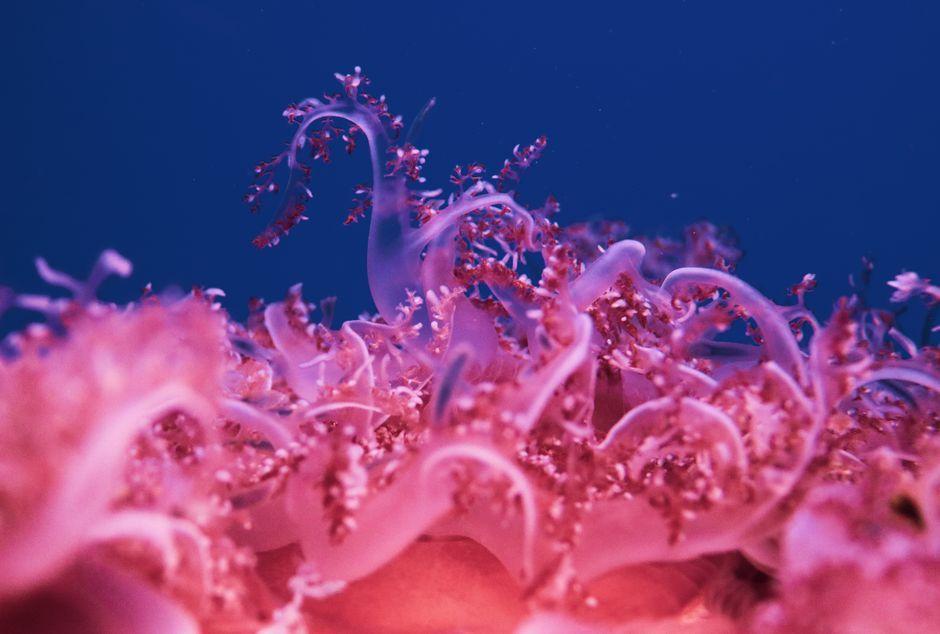
Stock photo for illustration only, not from the actual event
- Prof Christine Maggs found a pink-striped seaweed fragment 40 years ago during her PhD
- New samples were finally recovered by scientific divers surveying maerl beds in Cornwall
- Maggs bought a wine fridge to store the delicate seaweed while awaiting DNA sequencing
- The newly identified species has been named scientifically as ceramium ruenessianum
While the Great Barrier Reef remains the world's most famous underwater ecosystem, UK waters conceal an ancient marine world known as maerl beds, formed by thousands of interlocking pieces of calcified, coral-like seaweed that host rich aquatic life.
Four decades ago, while studying one such habitat for her PhD, Prof Christine Maggs stumbled upon a tiny fragment of pink-striped seaweed living on maerl that matched nothing in existing literature. This moment sparked a lifelong obsession and a scientific puzzle spanning decades.
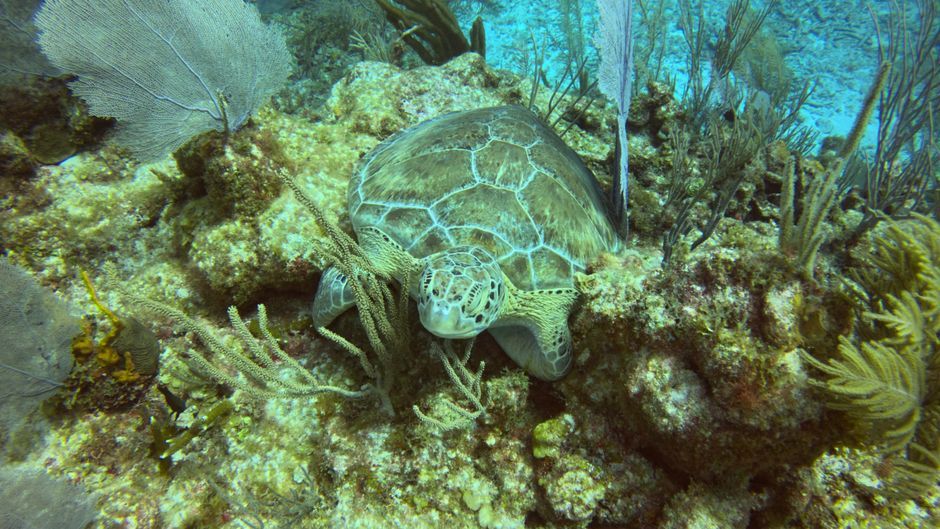
Stock photo for illustration only, not from the actual event
Despite fleeting encounters throughout her career—such as spotting a glimpse on a sea squirt—she never gathered enough material to formally identify it. That changed two years ago when researchers mapping maerl beds in Cornwall for a Natural England project surfaced with cuttings of a small red algae featuring pink bands and pincer tips.
Maerl beds are recognized as exceptionally fragile and vital marine habitats in the British Isles, growing at extremely slow rates while supporting diverse communities of fish, invertebrates, and microbes. Uncovering a new species tightly bound to this specific ecosystem highlights how much biodiversity remains undocumented in temperate European waters, reinforcing conservation discussions.
Francis Bunker, an independent marine biologist who kept finding the tiny seaweed during the Cornwall survey, gathered as much as possible and shipped it to London. Prof Maggs utilized a wine fridge to maintain the ideal dark, cool environment while working alongside Prof Beatriz de Barros Barreto to conduct DNA sequencing.
"We really have to look after seaweeds, we really have to love them,"
Prof Juliet Brodie, leading seaweed expert
The findings will soon appear in the peer-reviewed journal Phycologia, and a preserved specimen has joined the official collections at the Natural History Museum. The new species will be officially designated as ceramium ruenessianum in honor of a colleague who dedicated four decades to researching this seaweed group.
Source: BBC Science & Environment
Found something wrong in this article? Report an issue with this article
Comments
Leave a Comment