

Päivi Raivio Transforms the Barbican into a Movable Urban Playground
Artist Päivi Raivio is bringing her participatory installation Basic Forms (of Urban Life) to the Barbican Centre in London this August 2026, inviting visitors to rearrange geometric plywood shapes in public space.
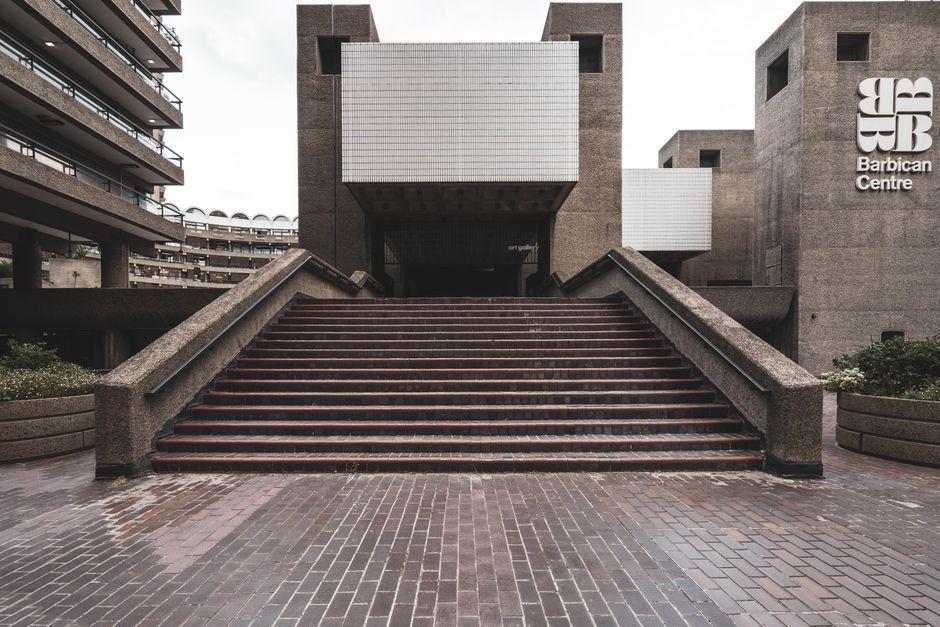
Stock photo for illustration only, not from the actual event
- Päivi Raivio brings Basic Forms (of Urban Life) to London's Barbican Centre
- Part of the Play Make Do festival, running from August 14 to 16, 2026, presented by the Finnish Institute
- Features colorful geometric plywood elements that visitors can move, group, and rearrange freely
- Aims to advance design democracy in public spaces through open-ended play and human encounters
Päivi Raivio is bringing Basic Forms (of Urban Life) to the Barbican Centre in London as part of the Play Make Do festival, scheduled to take place from August 14 to 16, 2026. Presented by the Finnish Institute in the UK and Ireland, this participatory installation merges art, urban design, and play through a collection of simple geometric plywood elements that visitors are invited to shift, group, and rearrange. The resulting outcome is less of a finished composition and more of an urban kit of parts waiting for human intervention.
The color palette of the installation is drawn directly from architectural details found across the Barbican and its surrounding environment, allowing the pieces to resonate with their setting without trying to rival several acres of concrete. As visitors alter the arrangement, the objects continuously produce new shapes, meeting points, and temporary uses, turning an ordinary public passageway into a vibrant zone for experimentation, leisure, and unexpected encounters between strangers.
Stock photo for illustration only, not from the actual event
For Raivio, play functions as much more than a mere activity added to the city after serious work concludes. Instead, it becomes a core design principle capable of injecting surprise, freedom, and less prescriptive ways of interacting with others. By keeping the installation intentionally open-ended, Basic Forms (of Urban Life) provokes questions surrounding public space ownership, whose behaviors are accommodated, and who holds permission to help shape these environments.
Introducing participatory art into a monumental and rigid Brutalist architectural complex like the Barbican Centre serves as an engaging method to soften concrete structures and transform them into living environments shaped by human agency. This approach highlights a human-centric design philosophy that has gained immense traction in contemporary urban planning.
Drawing inspiration from Nordic child-oriented design traditions and free play, the project advances what Raivio defines as design democracy in public spaces. Rather than assigning each object a single rigid function, the work allows participants of all ages to determine how the pieces should be deployed. A simple seat might easily transform into a table, an elevated platform, or part of a larger improvised structure, depending entirely on who arrives next and how they interpret the minimal instructions provided.
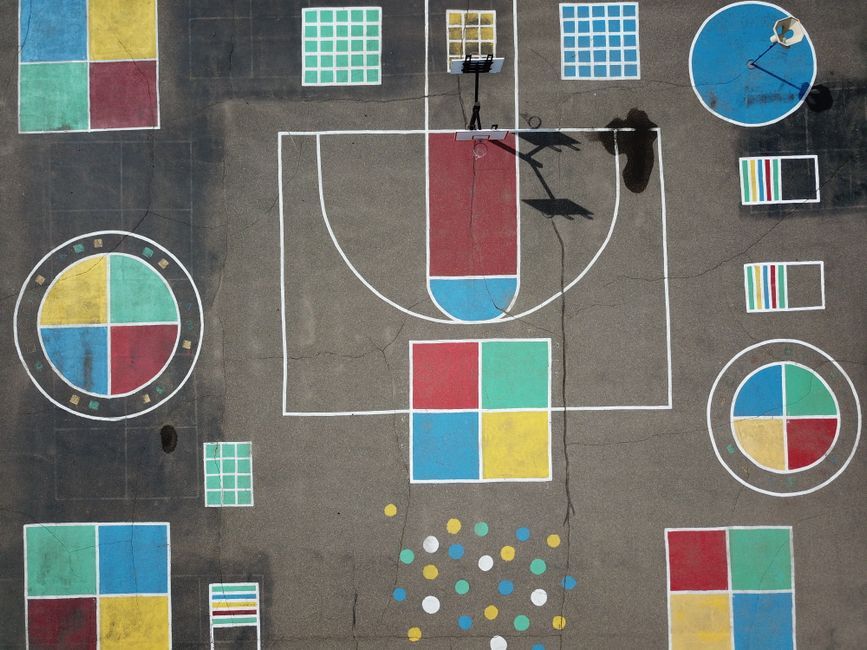
Stock photo for illustration only, not from the actual event
Designed starting in the 1950s and fully completed in 1982, the Barbican complex delivers a monumental backdrop suited for Raivio's lightweight, vibrant forms. The striking contrast between fixed Brutalist architecture and an installation capable of continuous reinvention establishes a vibrant dialogue between permanence and active participation. According to the designer, the project aims to carve out room within the built environment for curiosity, spontaneity, and unscripted activity, while giving children a much more visible presence within urban life.
Source: designboom
Found something wrong in this article? Report an issue with this article
Comments
Leave a Comment