

Why AI Validation Must Be Your Core Foundation From Day One
Lessons from building Slooster show that because LLMs output unpredictable and placeholder data, traditional testing methods fall short.
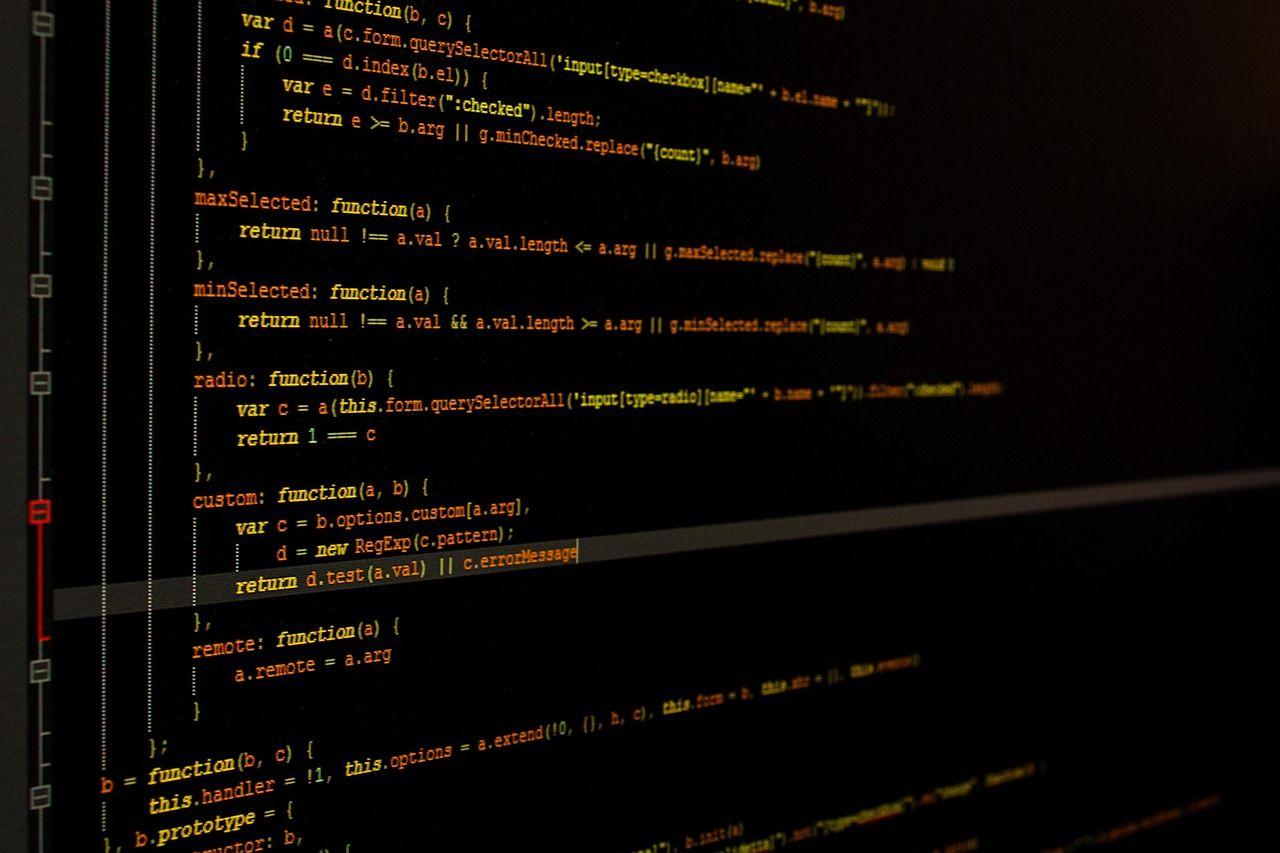
Stock photo for illustration only, not from the actual event
- LLMs generate outputs by guessing based on context, meaning the exact same prompt can yield different or incorrect answers.
- A staging deployment revealed that a stable model suddenly started spitting out raw placeholders like Vendor A and Vendor B.
- Validation requires both structural schema checks and semantic model-graded evaluations to catch dummy data.
- Building a validation layer from day one prevents broken outputs and is far more cost-effective than adding it later.
In a traditional software development life cycle, validation was handled by someone else later in the process. QA teams verified that the software behaved as expected, and because behaviors were repeatable, teams eventually automated those checks and moved on. However, that traditional model breaks down the exact moment an LLM enters the picture.
While building Slooster, the developer tackled the hard parts first and assumed the validation layer could wait because everything worked locally. Unfortunately, LLMs produce outputs by guessing based on context. While they are improving, they are still guessing, meaning the same prompt can produce a different or incorrect response next time with zero changes made. As a result, validation must be embedded directly into the software.

Stock photo for illustration only, not from the actual event
The reality check struck after deploying Slooster Guide to staging right before a demo with co-founders. The exact same prompts, models, and configurations that had successfully returned real, criteria-matched vendors for weeks suddenly outputted placeholder data literally reading Vendor A, Vendor B, and Vendor C. Regenerating simply brought Vendor D into the mix. A model providing clean local outputs for weeks can still hand over garbage during a real call, proving why inline validation on every actual output is essential instead of a one-time check before shipping.
Deploying LLMs to production often exposes developers to non-determinism, a stark contrast to standard code where identical inputs guarantee identical outputs. Implementing a secondary validation gate where a model evaluates another model's output has quickly become an essential industry pattern for safeguarding AI-driven applications before end-users ever see the response.
Adding a validation layer with built-in retries catches bad outputs, but retries consume time while users wait, meaning validation incurs costs and lacks a one-stop solution. Where it runs and how aggressively it retries depend heavily on the specific use case.
The validation pipeline splits into distinct gates:
- Deterministic checks: Schema validators immediately reject structurally off-spec data.
- Semantic checks: A secondary model reviews the response against the original criteria to flag placeholders, generic filler, or example data that passed schema checks.
Source: Dev.to
Found something wrong in this article? Report an issue with this article
Comments
Leave a Comment