

Why Buying a MacBook Air From Apple Isn't a Great Idea Right Now
Apple is facing memory shortages affecting MacBook Air shipments into late August, while steering customers toward pricier MacBook Pro models after a recent price hike.
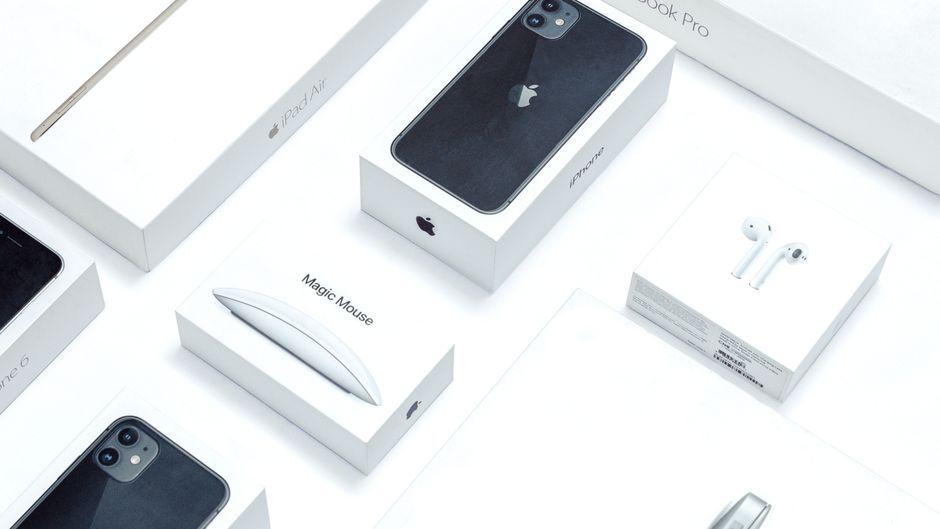
Stock photo for illustration only, not from the actual event
- Buying a new MacBook Air directly from Apple has become difficult due to the global memory shortage dubbed RAMageddon.
- Shipping estimates for current orders are pushed back to late August with subject-to-availability disclaimers.
- Apple is steering customers toward the base MacBook Pro model, which costs $700 more than the base Air.
- Shoppers can find current MacBook Air models at other retailers like Amazon and Best Buy, or consider refurbished alternatives.
For years, the MacBook Air has stood as the definitive Apple laptop for the general public. Combining Apple's custom M-series silicon, adequate RAM, and a spacious, high-quality display, it hits the sweet spot for users who need more power than budget alternatives offer without paying the steep price tag of a Pro machine.
Unfortunately, current market conditions have disrupted that proposition. According to Bloomberg, the MacBook Air has become the latest Mac caught in the crosshairs of "RAMageddon," the widespread memory shortage impacting technology companies large and small. Mark Gurman reports that Apple lacks sufficient stock of the laptop to fulfill customer orders in a timely manner. Placing an order today pushes estimated deliveries toward the end of August, often accompanied by a disclaimer noting the item is subject to availability.
While Apple is ready to process payments, the company appears to nudge buyers away from the Air for now. Gurman notes that both retail stores and the official website actively encourage users to consider the base model MacBook Pro. Although that machine serves as a capable computer, it carries a starting price $700 higher than the base MacBook Air. This follows closely on the heels of Apple raising the MacBook Air's MSRP by $200, creating a frustrating dynamic for budget-conscious buyers.
Global memory shortages and semiconductor supply crunches typically stem from supply-chain bottlenecks and soaring demands for AI infrastructure and advanced computing components. When component procurement costs rise, hardware manufacturers face margin pressures that frequently translate to retail price adjustments and tightened allocations for consumer-facing product lines.
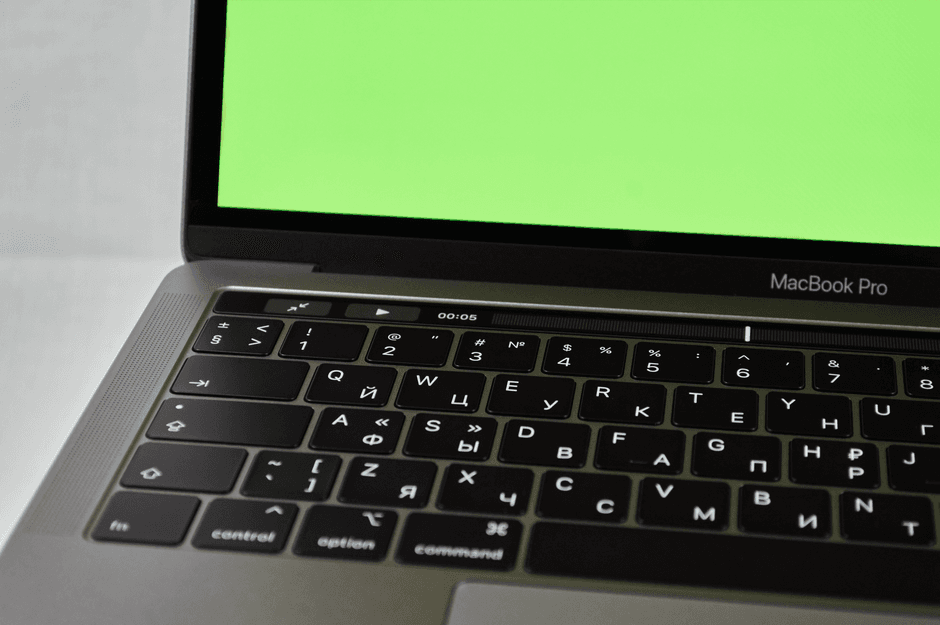
Stock photo for illustration only, not from the actual event
Buyers do not have to purchase directly through Apple to secure a laptop. Alternative retailers including Amazon and Best Buy currently maintain stock of the latest MacBook Air configurations. For shoppers hunting for an M5 Air at its standard MSRP, these third-party storefronts represent the most practical avenue.
However, inventory at external retailers may dwindle if Apple restricts new shipments. Consequently, exploring the refurbished market presents an attractive value proposition. Consumers can acquire slightly older generations at substantial discounts, securing high-tier features for under $1,000. For instance, a refurbished M4 MacBook Air currently lists for $900 on Amazon, offering near-identical daily performance while yielding significant savings.
Industry analysts suggest that the ongoing memory supply crunch may persist well into next year. Users who can postpone upgrading are advised to hold onto their current machines, while those with an immediate hardware requirement should shop around third-party vendors and refurbished marketplaces rather than paying premium prices for constrained inventory.
Source: Lifehacker
Found something wrong in this article? Report an issue with this article
Comments
Leave a Comment