

Threat to oil tankers in Middle East worst since start of Iran war, analysts say
Middle East oil shipping faces severe crisis as the Strait of Hormuz remains blocked and Houthi attacks target Red Sea alternative routes.
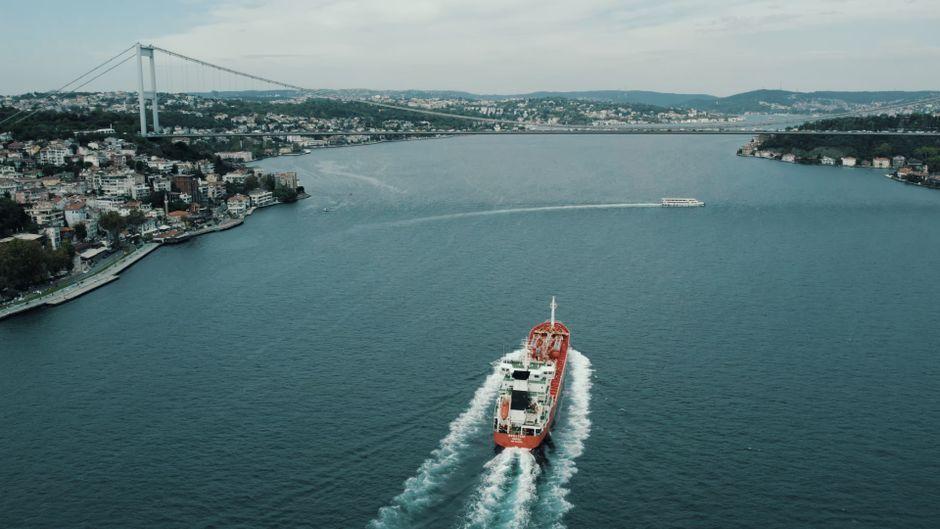
Stock photo for illustration only, not from the actual event
- Strait of Hormuz daily vessel traffic plunged to just 8 ships on Sunday from over 100 before the war.
- Yemen's Houthi movement declared a blockade on Saudi Arabia's Red Sea ports starting July 20.
- Brent crude prices dropped 4.4% to $84.05 a barrel following US diplomatic signals.
The safety of oil tankers in the Middle East has reached its most perilous state since the conflict with Iran began, industry experts warn, following a fresh wave of strikes targeting another critical maritime trade lane in the region.
This alert follows multiple attacks on merchant vessels in the Red Sea, an alternative waterway utilized by some tankers after Iran blockaded the Strait of Hormuz. While Iran rejected Donald Trump's assertion that bilateral talks regarding reopening the strait were underway, Tehran confirmed ongoing discussions with Oman aimed at securing the shipping lane.
Data compiled by Kpler showed that vessel transits through the Strait of Hormuz slumped to only eight on Sunday and eleven on Saturday, a sharp drop compared to more than 100 daily sailings prior to the outbreak of hostilities. Before the conflict erupted, approximately 20% of the world's oil and gas supplies passed through this crucial corridor. Although a temporary truce brokered with the US in early June temporarily boosted traffic, the resumption of military strikes roughly a month later severely restricted movement, forcing numerous vessels to "go dark" by switching off transponders to evade detection.
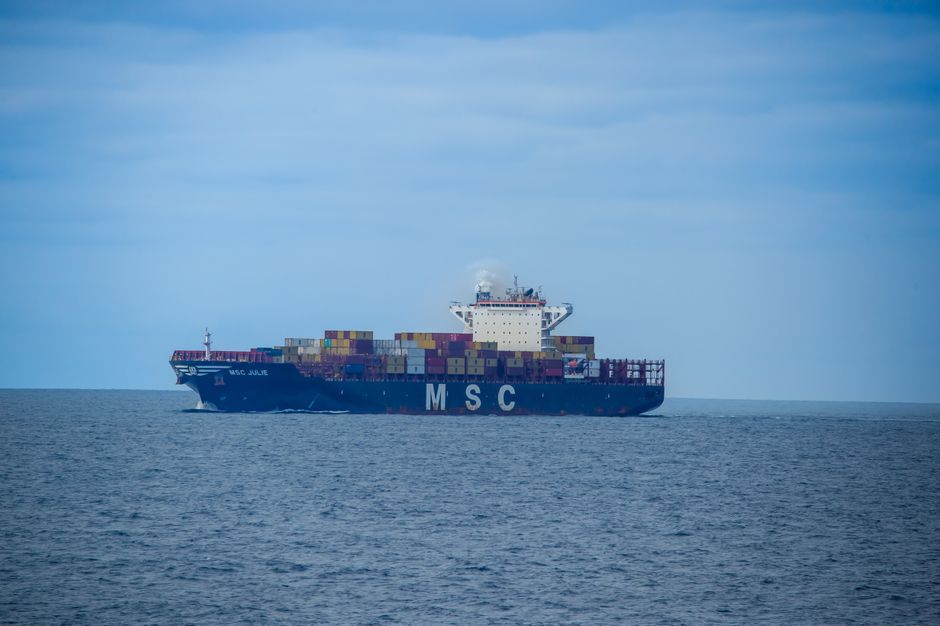
Stock photo for illustration only, not from the actual event
When commercial vessels turn off their Automatic Identification System (AIS) transponders, known as going dark, they operate covertly to avoid hostile tracking. However, this practice significantly heightens collision risks and complicates maritime coordination, illustrating how regional geopolitical conflicts ripple through global supply chains and marine insurance markets.
Previously, tankers carrying Saudi crude bypassed the closure by utilizing an alternative corridor in the Red Sea between the kingdom and West Africa. Nevertheless, recent assaults by Yemen's Houthi militia on Saudi-bound tankers along this alternative route have escalated operational dangers. The Iran-backed group announced a formal blockade on Saudi Red Sea ports on July 20, while the UK Maritime Trade Operations agency documented multiple vessel attacks over the past week.
Tim Wilkins, managing director of the global tanker association Intertanko, remarked that the maritime sector is confronting mounting security challenges.
"Facing a broadening, deteriorating, and increasingly complex security situation."
Tim Wilkins
A spokesperson for global shipping giant Hapag-Lloyd noted that while select vessels continue navigating the Red Sea, operations are under constant review to adapt to evolving conditions. The company added that should the Strait of Hormuz reopen, most vessels could exit the area promptly, but restoring regular cargo operations would likely require three to four months due to suspended services and vessel redeployments elsewhere.
Meanwhile, oil prices experienced a steep decline after Donald Trump announced the cancellation of planned strikes against Iran, citing prospects for future negotiations. Brent crude traded 4.4% lower at $84.05 a barrel, having previously tumbled as much as 7.3% to $81.55 a barrel earlier in the session.
Source: BBC Business
Found something wrong in this article? Report an issue with this article
Comments
Leave a Comment