

Discarded Tennis Balls Rebuilt Into Wearable Shoes in SLICE Project
Designer Soroosh Riazi Isfahani cuts used tennis balls into precision components, turning their curved shapes and fuzzy textures into eco-friendly footwear.
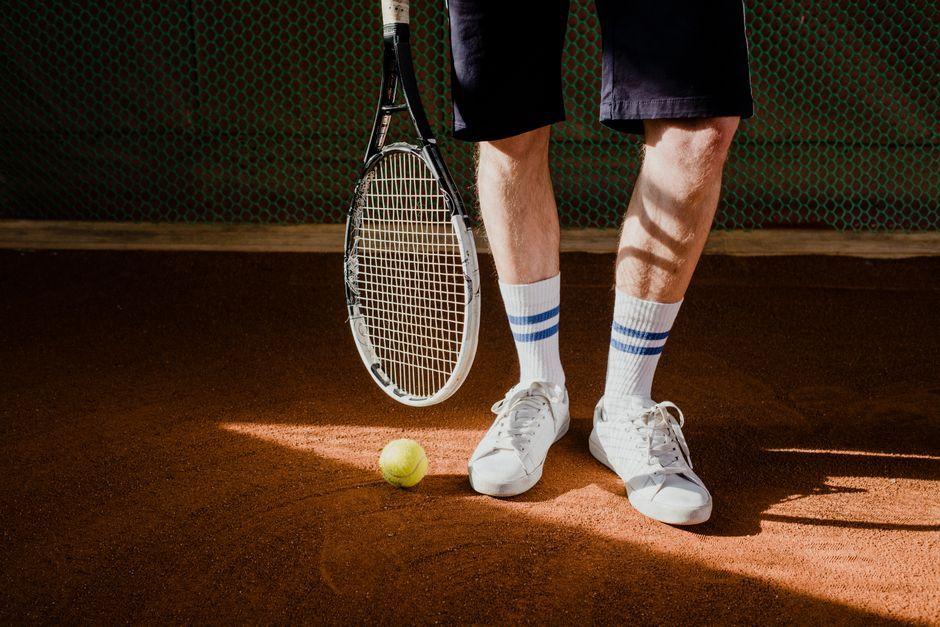
Stock photo for illustration only, not from the actual event
- The SLICE project transforms discarded tennis balls into wearable sneakers
- Custom 3D-printed guides help a blade slice spheres into repeatable curved parts
- Addresses waste streams from an estimated 400 million tennis balls produced annually
- Entered as a 2026 James Dyson Award experimental footwear project
With a springy rubber shell and a grippy curved surface, used tennis balls possess many structural qualities needed for footwear. Designer Soroosh Riazi Isfahani utilizes these traits in the SLICE project by cutting discarded balls into repeatable components that assemble around the foot. The signature fluorescent yellow skin and white seams remain intact, alongside scuffs and worn patches earned from matches on the court.
The cutting process relies on custom 3D-printed guides to hold each ball securely while a blade follows a designated path across the surface. These cuts release curved bands and deep cup-like sections, converting the pressurized sphere into a footwear kit. Wider pieces wrap across the forefoot, while narrower strips line the sides. Black stitching and cord tie the segments to an inner structure, displaying the unique construction from every angle.
Upcycling everyday objects often hits roadblocks regarding manufacturing complexity, but the SLICE project bypasses chemical breakdown by keeping the composite structure intact. This approach highlights circular design principles, leveraging the pre-engineered geometry of an object rather than reducing it to anonymous raw material.
Soroosh Riazi Isfahani initially experimented with conventional recycling by shredding old tennis balls and mixing the particles with natural rubber for outsoles. While functional, that technique erased the curved form and the layered bond between the rubber core and fuzzy exterior. Slicing offered a much more direct route by preserving the original shape, texture, and thickness.

Stock photo for illustration only, not from the actual event
This footwear concept responds to a specific waste stream driven by the tennis ball's own manufacturing. Because the felt covering bonds tightly to the underlying rubber, separating the two layers through standard recycling systems is extremely difficult. Furthermore, balls lose their regulated bounce relatively quickly while the physical body and textile surface remain fully intact. Project data indicates that approximately 400 million tennis balls are produced every year, with only a fraction entering recycling streams.
The prototype's broad and slightly bulky silhouette resembles a material study rather than a streamlined performance sneaker. Visual weight stems directly from the assembly process, where overlapping yellow sections and fragmented white seam lines expose the ball's origin. Photographs capture the shoe being worn on a tennis court, though long-term durability metrics such as traction, water resistance, and felt abrasion require further testing.
Currently operating as an experimental footwear project and a 2026 James Dyson Award entry, SLICE demonstrates how a single precise cut can turn a sphere into a set of architectural building blocks. By letting the shoe grow directly from the reused object, every fuzzy strip tells the story of its previous life on the court. Source: designboom
Found something wrong in this article? Report an issue with this article
Comments
Leave a Comment