

6 Effective Ways to Get Rid of Millipedes During Rainy Season
Discover natural and pet-safe methods to clear millipedes from your home during the rainy season along with long-term prevention tips.
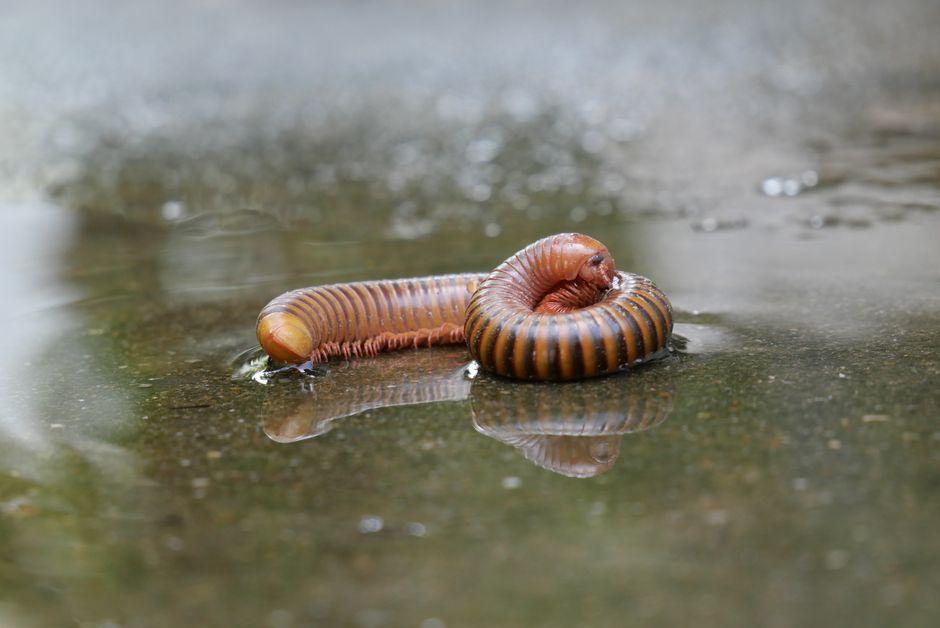
Stock photo for illustration only, not from the actual event
- Millipedes secrete hydrogen cyanide and phenols that cause skin irritation.
- Applying agricultural lime around the house reduces moisture and deters pests.
- Diatomaceous earth damages natural insect armor and causes dehydration.
- Always sweep them away with a dustpan instead of stepping on them.
As the rainy season brings high humidity, many households face unwelcome visitors like millipedes crawling along walls, porches, or entering bathrooms. Although millipedes do not bite humans like venomous creatures, they can release hydrogen cyanide or phenolic chemical compounds from their sides when threatened. These substances can cause rashes, irritation, or a burning sensation on the skin, especially in young children and individuals with sensitive skin. Knowing how to properly remove and prevent them is essential for keeping every family member safe.
The first effective approach is using agricultural lime, a traditional method known for its alkaline properties and ability to reduce moisture. Spreading lime or resin powder around the perimeter of the house, doorways, or areas frequently visited by millipedes creates a natural barrier that they refuse to cross.
Another great alternative is Diatomaceous Earth (DE), a powder made from ancient fossilized algae. It is completely safe for humans and pets, but highly effective at destroying the natural protective armor of insects and crawling pests, causing millipedes to dehydrate and avoid the treated area.
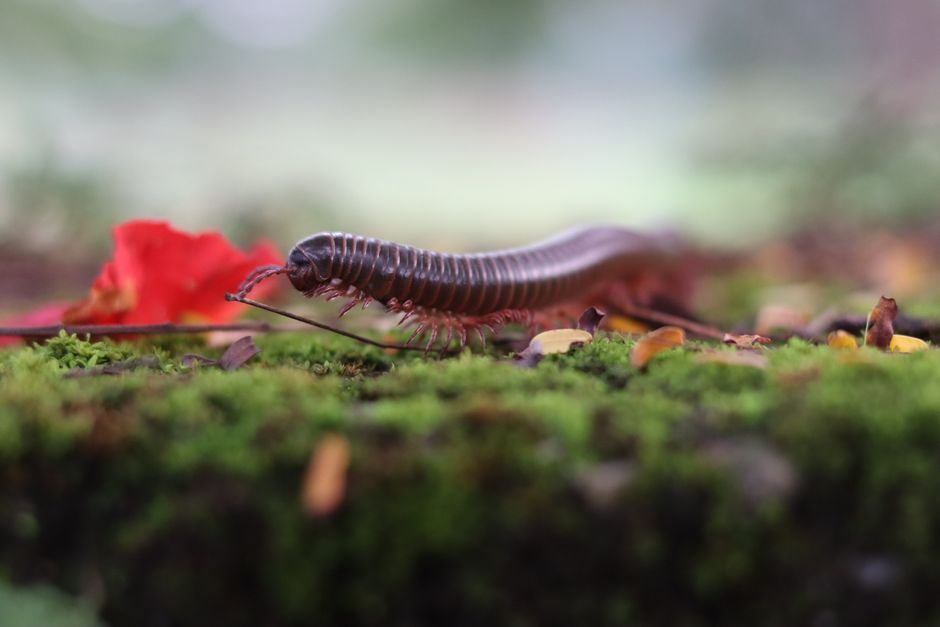
Stock photo for illustration only, not from the actual event
Dealing with millipedes during the rainy season does not always require harsh chemical pesticides. Understanding that these creatures thrive in dark, damp environments allows us to break their life cycle at the root. Utilizing natural solutions like diatomaceous earth or wood vinegar ensures both safety and eco-friendliness around the living space.
Household items can also be repurposed as repellents. Wood vinegar, with its intense smoky scent that crawling insects hate, can be diluted with clean water and sprayed around potted plants, tree bases, or the perimeter of the house to repel pests. If wood vinegar is unavailable, mixing vinegar and water in a 1:1 ratio and spraying it in damp corners such as bathrooms or laundry areas will deter millipedes with its acidity and pungent odor.
To tackle their habitats, remember that millipedes love darkness, moisture, and decaying leaf litter. Raking dry leaves, trimming tree branches to let sunlight reach the ground, and maintaining proper drainage destroys their hiding spots and food sources. If a millipede enters the house, never step on it with your bare feet or shoes, as the chemical secretions can stain floors or touch your skin. Instead, use a broom and dustpan to scoop it up and release it in a garden far away from the building.
Source: Thairath Lifestyle
Found something wrong in this article? Report an issue with this article
Comments
Leave a Comment