

Breast cancer checks missing most women under 50 at risk, study shows
Recent research reveals that UK screening criteria for breast cancer focus purely on inherited genes, missing up to 95 percent of younger women at higher risk.
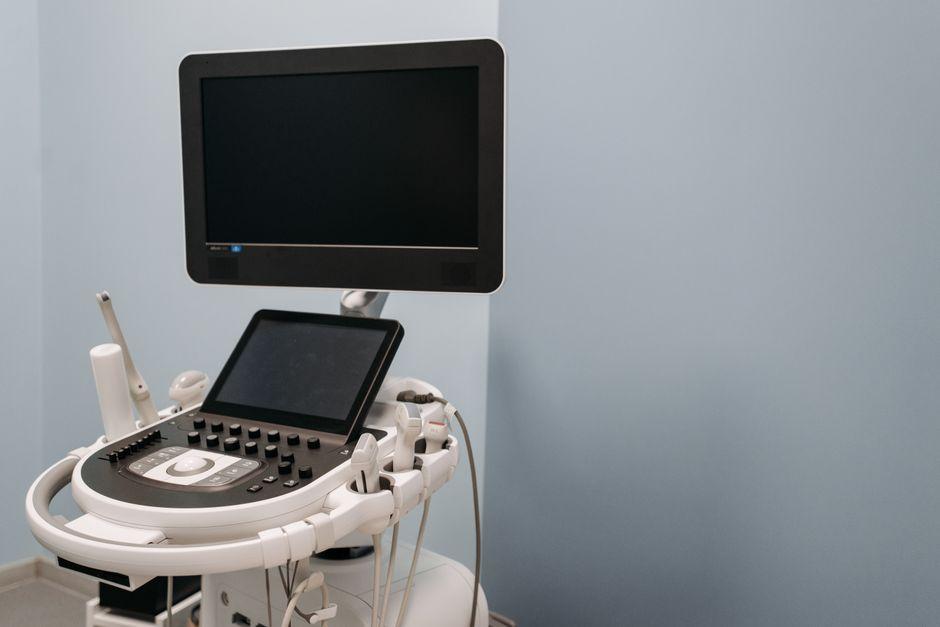
Stock photo for illustration only, not from the actual event
- Current Nice criteria miss up to 95% of at-risk women under 50
- Study finds 73% of young patients have no family history
- Boadicea risk tool identifies eight times as many at-risk women
- Nice states current evidence does not warrant guideline changes
National Health Service (NHS) criteria for screening women under 50 for breast cancer are too restrictive, leaving behind up to 95% of individuals who face a higher risk of developing the disease, according to a warning issued by researchers.
The established guidelines, set by the National Institute of Health and Care Excellence (Nice), concentrate exclusively on inherited genes while ignoring other critical elements such as lifestyle choices. Consequently, women under 50 do not qualify for routine mammograms unless they possess a robust family history of the condition.

Stock photo for illustration only, not from the actual event
Conducted by a team hailing from Cambridge University and the Institute of Cancer Research and published in the British Journal of Cancer, the study examined methods for predicting breast cancer susceptibility in younger demographics. Researchers utilized a risk calculation tool known as Boadicea, which factors in family background, lifestyle habits, reproductive history, and genetic data.
Implementing this comprehensive tool across all women under 50 would categorize roughly 26.5% as possessing above-average risk and direct them for further evaluation. This cohort would capture 34.8% of younger women who develop the disease within a decade. By contrast, the existing Nice criteria direct just 1.4% of women under 50 for advanced assessment, capturing a mere 4.4% of those who eventually develop cancer.
"Any changes must be accessible and equitable, taking into consideration the anxiety that extra referrals might cause for women."
Dr Sowmiya Moorthie, Cancer Research UK
The debate surrounding breast cancer screening protocols for younger populations underscores the ongoing challenge health systems face: balancing early detection accuracy with medical workload and psychological burdens like patient anxiety. Multifactorial calculators like Boadicea represent the future of personalized medicine, yet health authorities must carefully weigh resource allocation and false-positive psychological impacts before revising national policy.
In response to the findings, Nice noted that it welcomed the discoveries and acknowledged the utility of multifactorial tools, though it maintained that current evidence falls short of justifying an immediate overhaul of breast cancer guidelines. Meanwhile, health officials continue to urge women to remain vigilant about bodily changes.
Source: BBC Health
Found something wrong in this article? Report an issue with this article
Comments
Leave a Comment