

Modern Java AI Workloads on Kubernetes 1.33: The 2026 GitOps Playbook
A comprehensive guide to operationalizing LLMs at scale using Java 24, cloud-native infrastructure, and automated GitOps pipelines.

Stock photo for illustration only, not from the actual event
- Combining Java 24 with Kubernetes 1.33 elevates production-grade AI workloads.
- Project Leyden features significantly reduce cold start times for AI inference services.
- Argo CD and Kustomize streamline automated deployments and GPU resource allocation.
The intersection of Java 24, Cloud-Native AI, and Kubernetes 1.33 has reached a tipping point. In early 2026, we are no longer just experimenting with LLMs in containers; we are operationalizing them at scale. For platform engineers and Java developers, the goal is to bridge the gap between high-performance inference and robust, automated delivery.
In this guide, we explore how to leverage the latest Java capabilities alongside modern DevOps patterns including GitLab/GitHub, Argo CD, and Kubernetes to build a production-grade AI inference gateway. Java 24 has solidified features that directly impact AI workload efficiency through critical JEP implementations.
- Numerical processing and vector handling heavily rely on primitive types.
- Pattern matching with primitives enables cleaner, higher-performance data transformation pipelines for large arrays and tensors.
- Project Leyden condensers minimize cold starts, which are critical for scale-to-zero AI inference architectures.
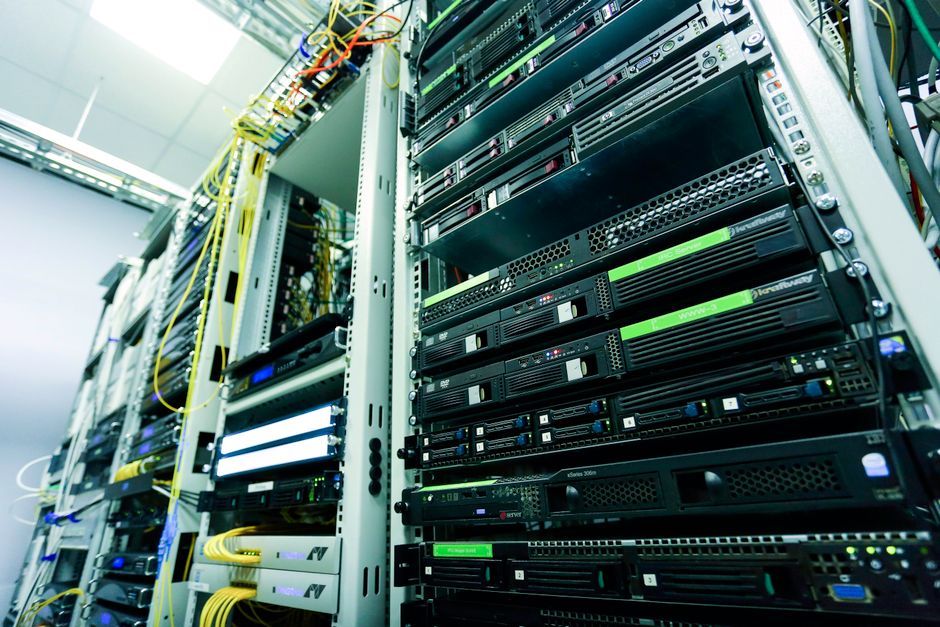
Stock photo for illustration only, not from the actual event
Overcoming Java's historical startup overhead is crucial for implementing efficient scale-to-zero architectures for cloud AI workloads. By pre-calculating application state and condensing runtime startup phases, modern Java runtimes allow microservices to react instantly to fluctuating traffic demands without unnecessary idle resource consumption.
For Kubernetes users, version 1.33 introduces refined APIs for resource management tailored specifically for GPU and NPU workloads. Transitioning from legacy resource limits to Dynamic Resource Allocation (DRA) allows for granular sharing of hardware accelerators among inference pods, thereby reducing idle GPU time and cutting cloud operational costs.
Furthermore, stable standardized sidecar support acts as the ideal vehicle for service meshes like Istio or Linkerd and observability agents, ensuring that telemetry such as token tracking and latency monitoring does not pollute the primary application logic.
Modern enterprises frequently utilize hybrid approaches supported by OIDC for secure pipeline operations. GitHub Actions remains a standard for developer-facing CI, enabling secure image pushing to container registries without utilizing long-lived static secrets.
Adopting GitOps principles with Argo CD eliminates manual manifest applications, ensuring that the Kubernetes target cluster precisely mirrors the Git repository state. Leveraging Kustomize allows platform teams to inject distinct GPU requirements for production versus staging environments without duplicating manifest files.
Utilizing Argo CD Rollouts empowers engineering teams to execute canary deployments and execute automated rollbacks whenever AI inference latency exceeds 200ms. The future of Java is undoubtedly AI-driven, and the future of AI infrastructure is managed through robust GitOps workflows.
Source: Dev.to
Found something wrong in this article? Report an issue with this article
Comments
Leave a Comment