

Mysterious Elephant Deaths in Kenya Spark Pesticide Controversy
The deaths of 15 elephants near Amboseli National Park raise questions over agricultural pesticides, while locals and conservationists remain skeptical.
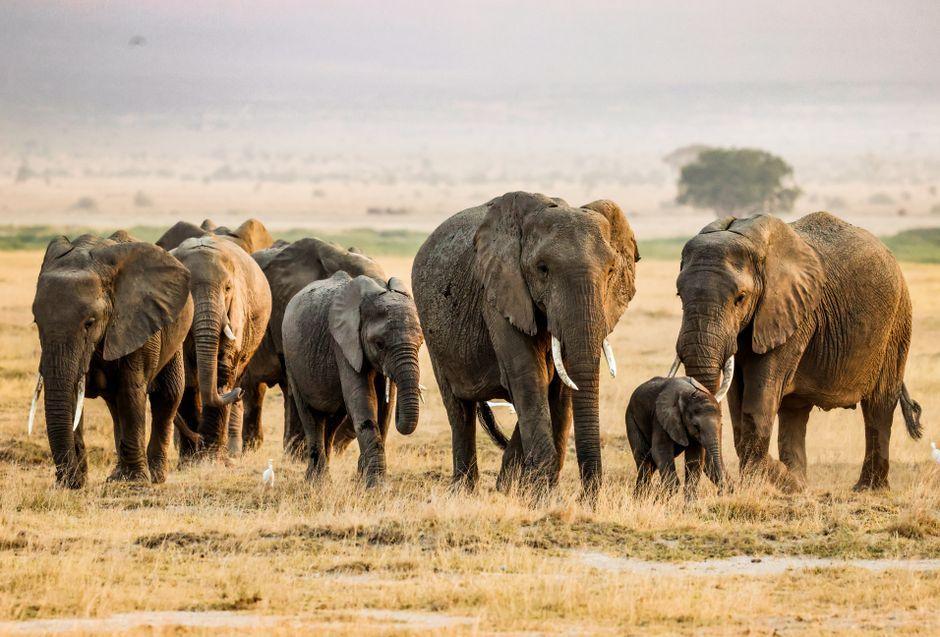
Stock photo for illustration only, not from the actual event
- 15 elephants died between June 24 and July 24, 2026.
- Traces of cyanide were discovered in the stomachs of the deceased elephants.
- Conservationists question the pesticide theory as only one of the dead elephants was an adult male.
The sudden deaths of 15 elephants in Kenya have triggered widespread concern and sparked intense debate regarding wildlife safety near Amboseli National Park. This vast ecosystem straddles the border near Tanzania, serving as a migratory path for over 2,000 elephants searching for food and water.
Between June 24 and July 24, the Kenya Wildlife Service (KWS) reported that several of the dead elephants displayed signs of partial paralysis, hinting at cyanide poisoning linked to pesticides. Dr. Isaac Lekolool, the chief veterinarian for KWS, confirmed that stomach samples tested positive for traces of cyanide.
Stock photo for illustration only, not from the actual event
Officials suspect the elephants may have accidentally ingested toxins sprayed on tomato farms in the Kimana area, a crucial wildlife corridor between Amboseli and Tsavo National Parks. Wangunyu Njuguna noted that despite being illegal, hazardous agrochemicals are occasionally smuggled across the Tanzanian border, compounded by weak enforcement and poor oversight regarding animal safety.
"We have stayed with this wildlife for decades and have never experienced this."
However, local conservationists and farmers have questioned the official findings. Daniel Nina, representing area landowners, pointed out that zebras and antelopes grazing alongside elephants in the same areas remained completely unaffected. Furthermore, wildlife experts noted that male elephants typically take more risks by raiding farms, yet only one of the 15 affected elephants was an adult male.
Human-wildlife conflict has persisted for decades across conservation areas in Kenya as agricultural expansion and lodges encroach upon traditional animal migratory routes. Investigating the precise cause of these deaths is critical to safeguarding the remaining elephant population and protecting the local communities living alongside them.
Frank Pope, CEO of the conservation group Save the Elephants, emphasized that the primary pressure facing Amboseli's elephants is no longer ivory poaching, but the rapid conversion of historical elephant pathways into farms and tourist lodges. As investigations continue, authorities remain on high alert to protect both the remaining wildlife and local residents from ongoing risks.
Source: BBC Science & Environment
Found something wrong in this article? Report an issue with this article
Comments
Leave a Comment