

SpaceX is coming for T-Mobile, AT&T and Verizon with terrestrial network plans
SpaceX outlines plans to enter the $600 billion US wireless market by building a terrestrial network combining satellites and small ground stations.
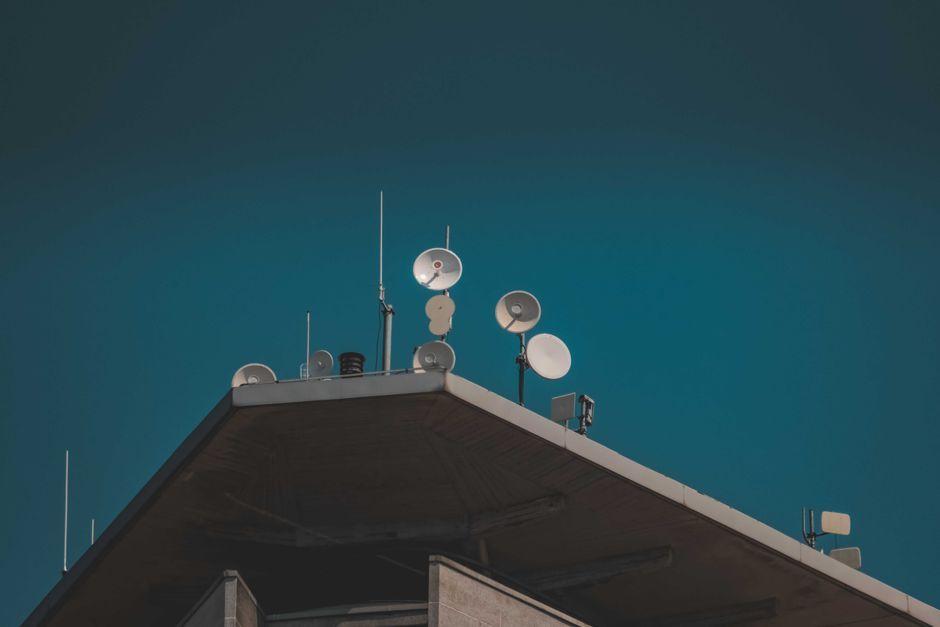
Stock photo for illustration only, not from the actual event
- SpaceX plans to build a terrestrial mobile network to directly compete with T-Mobile, AT&T, and Verizon.
- The company will use spectrum acquired from EchoStar and upcoming Starlink Mobile V2 satellites launching next year.
- SpaceX aims to deploy small cellular base stations attached to existing Starlink home broadband dishes.
- Gwynne Shotwell anticipates capturing a significant number of customers from the big three carriers in the $600B market.
SpaceX is preparing to construct a terrestrial mobile network to win over a substantial number of subscribers currently using major US carriers T-Mobile, AT&T, and Verizon. This direct challenge to incumbent carriers was detailed by SpaceX president Gwynne Shotwell and CEO Elon Musk during the Q&A session of the company's inaugural earnings call.
Gwynne Shotwell stated that the spectrum purchased from EchoStar includes terrestrial components, confirming the company's clear intention to build out that terrestrial infrastructure. She noted that users will receive not only satellite capacity but also a dedicated buildout of hardware and systems required to deliver a true mobile service tailored precisely to user needs.
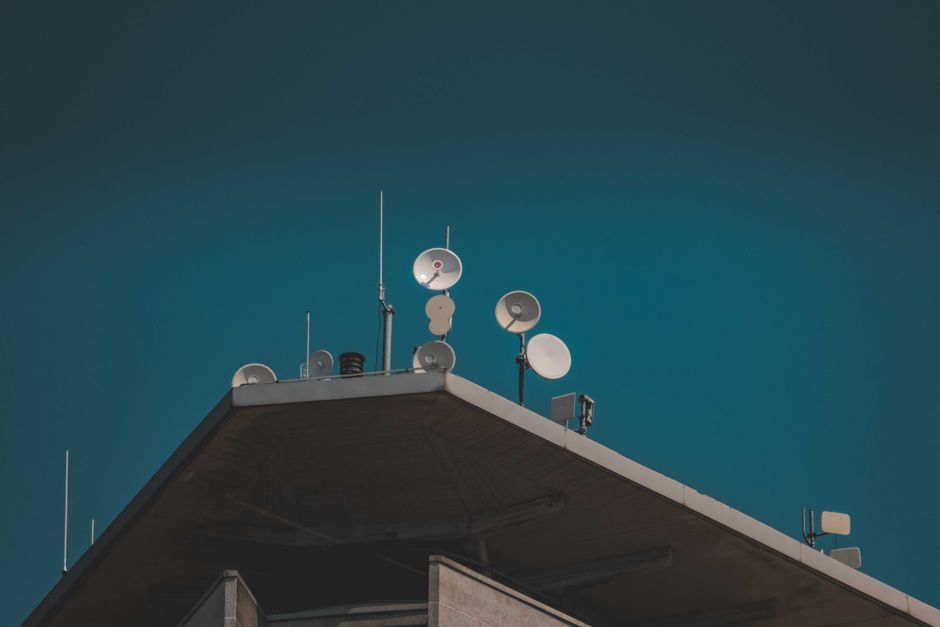
Stock photo for illustration only, not from the actual event
SpaceX currently operates a direct-to-device offering called Starlink Mobile, which supports carrier networks like T-Mobile by supplying limited messaging and data in cellular dead zones. Shotwell mentioned that this service will experience a massive performance boost, becoming 100 times better once it begins utilizing the EchoStar spectrum alongside next-generation Starlink Mobile V2 satellites scheduled to fly next year.
Entering the land-based telecom market is an ambitious move for SpaceX, especially given that the US wireless industry generates an estimated 600 billion dollars annually under the dominance of three major players. By leveraging existing rooftop Starlink dishes to house compact base stations, the company could bypass the high costs and logistical nightmares associated with deploying traditional, large-scale cellular towers.
However, SpaceX secured only 65 megahertz of spectrum from EchoStar, which pales in comparison to the vast holdings of the Big Three carriers. To establish a nationwide network, the company must innovate. Shotwell teased creative ideas, suggesting that cellular base stations could be mounted onto the hardware supporting Starlink broadband dishes to function as small femtocells deployed nationwide as needed.
Elon Musk and Gwynne Shotwell emphasized that bypassing expensive and difficult-to-locate large cellular towers in favor of numerous small stations mounted on rooftops allows for a clear line of sight directly to cellphones on the ground. They believe this approach will deliver connectivity and bandwidth superior to current options provided by traditional mobile carriers.
"I anticipate us to be able to acquire quite a few of their customers because I think our service will be better"
Gwynne Shotwell
Rumors regarding SpaceX's broader ambitions circulated leading up to its IPO, with Shotwell previously outlining plans to investors to sell mobile contracts directly to individual consumers in the United States. Now, the company is officially moving forward to claim its slice of the massive wireless pie.
Source: The Verge
Found something wrong in this article? Report an issue with this article
Comments
Leave a Comment