

What scientists can learn from a stray SpaceX rocket hitting the Moon
An empty Falcon 9 upper stage has crashed into the lunar surface, providing planetary geologists with a rare research opportunity.
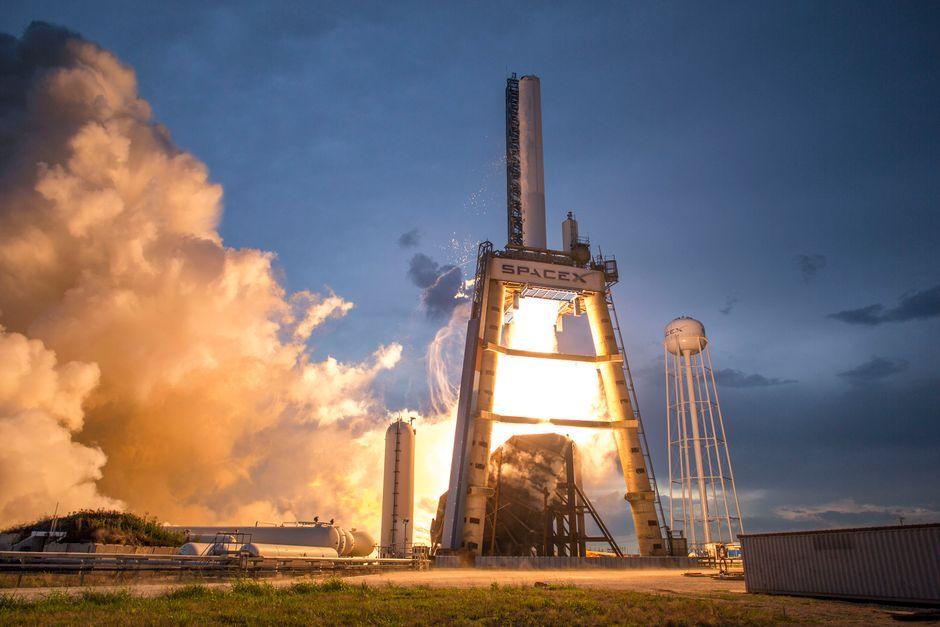
Stock photo for illustration only, not from the actual event
- A stray SpaceX rocket upper stage collided with the Moon near the Einstein crater.
- The impact speed was approximately 5,400 mph (8,700 km/h).
- Planetary geologists can use this accidental collision to test crater-formation models.
- The spent rocket stage is about the size of a five-storey building and weighs at least 4,000 kg.
A stray SpaceX rocket is believed to have struck the Moon, forming a crater near the prominent Einstein crater and offering scientists an exceptional research opportunity that could benefit future lunar missions.
The empty upper stage of a Falcon 9 rocket was scheduled to hit the Moon near the Einstein crater at a speed of about 5,400mph (8,700km/h) on Wednesday. The brief, dramatic flash produced by the impact was extremely difficult for amateur astronomers to capture even with high-end equipment, but larger observatories across the Americas are currently processing the telemetry data.
Launched from Florida in January of last year carrying two lunar landers, the Falcon 9 upper stage successfully completed its mission to send the landers out of Earth's orbit. The spent stage, roughly the size of a five-storey building and weighing at least 4,000kg, was left in a looping orbit. Over 18 months, gentle gravitational tugs from the Earth, Moon, and Sun, alongside solar radiation pressure, gradually nudged it onto a collision course with the Moon.
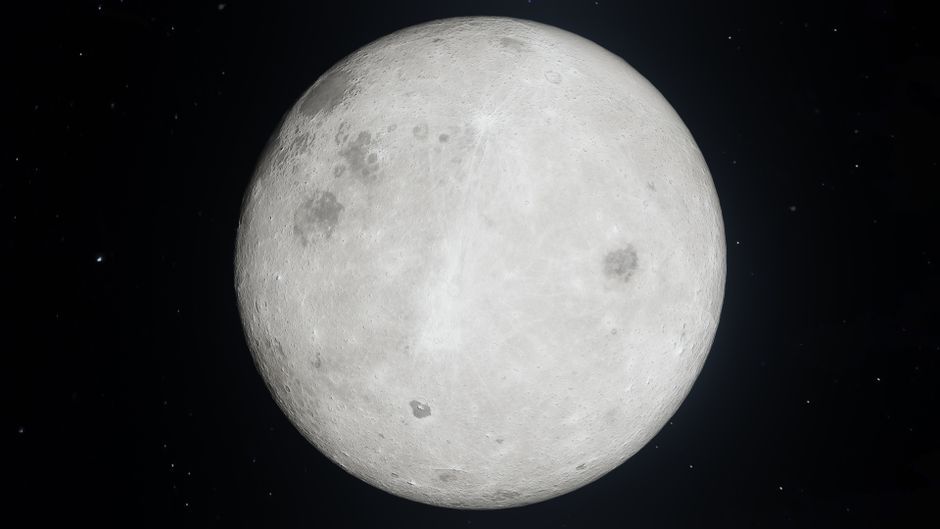
Stock photo for illustration only, not from the actual event
Accidental human-made impacts on the Moon are rare, with the last confirmed instance occurring in 2022 involving a leftover booster from a 2014 Chinese lunar mission. Studying these events provides vital insights into space debris dynamics and helps researchers refine models of planetary impacts, which is increasingly crucial as space agencies plan long-term human presence on the Moon.
South Korea's Danuri orbiter passed near the crash site shortly before impact, though its footage will only be released after thorough analysis. Meanwhile, NASA's Lunar Reconnaissance Orbiter is positioned to photograph the site to allow 'before and after' comparisons.
Because researchers know the rocket's exact dimensions, velocity, and impact coordinates, this random accident transforms into a controlled experiment. Planetary scientists can test models of how impacts excavate craters, distribute debris, and transmit seismic tremors through the Moon's interior, ultimately aiding engineers in designing safer landers and lunar bases.
Source: BBC Science & Environment
Found something wrong in this article? Report an issue with this article
Comments
Leave a Comment