

SpaceX is barely Space and mostly X
SpaceX's first quarterly earnings report reveals that the majority of its revenue comes from Starlink and leasing data centers for AI, while its space sector accounts for less than 10%.
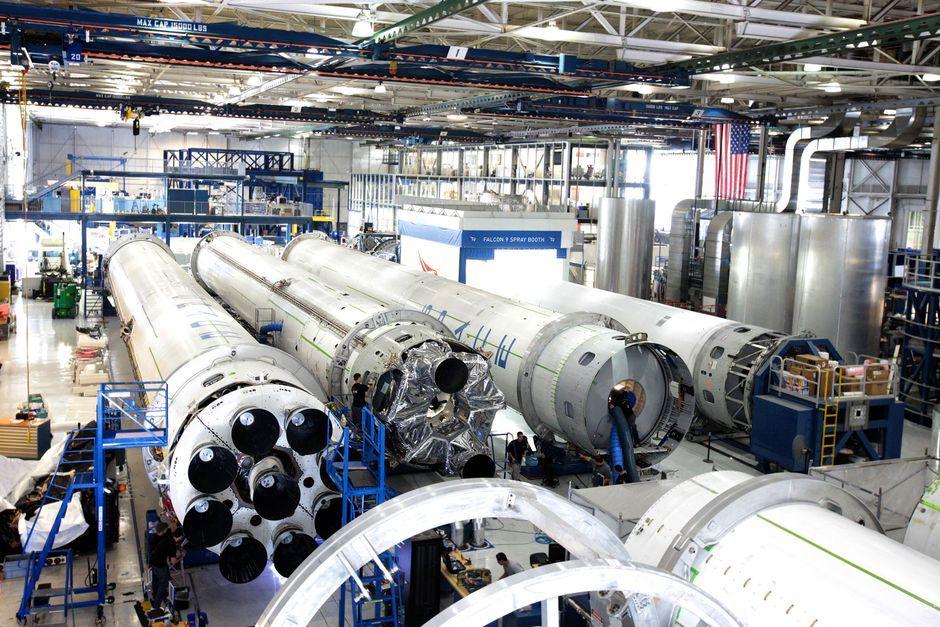
Stock photo for illustration only, not from the actual event
- SpaceX releases its first quarterly earnings report as a public company
- Primary revenue stems from Starlink and AI compute rentals
- Space operations generated less than $1 billion, accounting for just over 10% of total revenue
Once upon a time, there were questions about why SpaceX, Elon Musk’s healthiest company, decided to acquire xAI, his most troubled one. Today, the real question is why we still refer to the entire operation as SpaceX.
Based on revenue figures from SpaceX’s inaugural quarterly earnings statement as a publicly traded company, the enterprise operates primarily as a telecommunications and compute-rental firm. The space sector failed to break the billion-dollar threshold this quarter, contributing a mere fraction over 10 percent to the company's total revenue. SpaceX remains its own largest customer, simply because insufficient external demand exists for its rockets. Perhaps if rockets were the primary focus, the company wouldn't risk blasting new craters into the Moon with space debris.

Stock photo for illustration only, not from the actual event
The telecommunications segment—branded by SpaceX as connectivity—is Starlink, the satellite internet service that brought in $4.2 billion and stood as the sole division at SpaceX operating without an operational loss. While Gwynne Shotwell outlined plans during the earnings call for a mobile service intended to compete with AT&T, Verizon, and T-Mobile, the overwhelming majority of spending and hype centers around what is politely termed AI to capture Grok's contributions.
Analyst Alexander Potter anticipates that neocloud business spending, which leases data center capacity to artificial intelligence firms, will surge to $65 billion next year—$17 billion higher than his prior estimate, according to Bloomberg. The significance of leasing data center space to SpaceX is undeniable; it not only generates more revenue than the company's rockets but also drives significantly higher expenditures, hitting $15.8 billion on AI alone during the second quarter, compared to just over a billion for both space and connectivity sectors combined.
SpaceX's pivot toward becoming an AI infrastructure giant highlights the skyrocketing global demand for high-performance computing power. Leveraging satellite communication profits to fund and scale massive data center operations represents a pragmatic business diversification strategy, even if the public perception remains heavily tied to aerospace exploration and Mars missions.
This data center enterprise positions SpaceX in direct competition with neocloud firms like CoreWeave and Nebius. Musk constructed the Colossus 1 data center in Memphis specifically for Grok, yet xAI struggled to operate the facility smoothly, ultimately opting to lease space out instead. Beyond encountering latency issues that hindered in-house model training, the facility utilized a mixed inventory of newer and older chips that created operational bottlenecks. During the earnings call, Musk disclosed that only 10 percent of the compute capacity built by SpaceX will be allocated to Grok.
SpaceX has since secured deals with Google, Anthropic, Reflection AI, and Cursor, an AI firm eventually acquired by Musk. During the second-quarter earnings call, SpaceX CFO Bret Johnsen stated that these agreements place the company on a trajectory to reach $100 billion in annualized revenue run rate (ARR), incorporating contributions from Cursor.
Source: The Verge
Found something wrong in this article? Report an issue with this article
Comments
Leave a Comment