

What IndiGo and Ethiopian Say About the Rise of the Rest
IndiGo and Ethiopian Airlines prove that institutional strength and necessity corridors drive Global South aviation success over tourism.
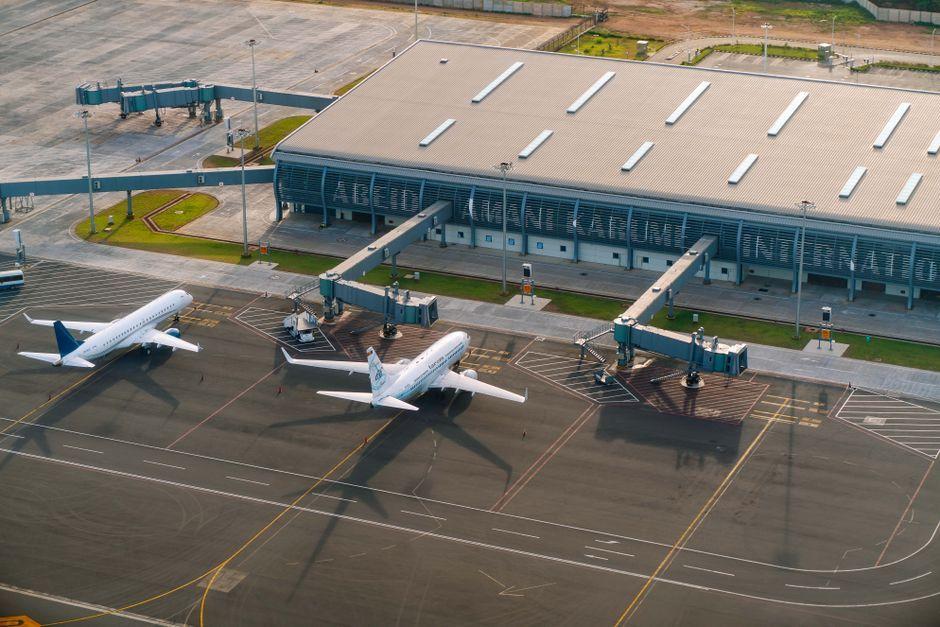
Stock photo for illustration only, not from the actual event
- IndiGo celebrates its 20th year while Ethiopian Airlines marks its 80th.
- Success stems from institutional discipline and necessity-based travel corridors.
- IndiGo recently pulled back from widebody and long-haul operations.
- Operating discipline cannot be rented through leased aircraft.
Global South aviation has risen to prominence through models distinct from state-backed Middle Eastern carriers, anchored by two landmark airlines celebrating major milestones. IndiGo recently marked its 20th anniversary just days after a leadership transition, while Ethiopian Airlines celebrated its 80th anniversary in April alongside funding plans for a massive new airport in Bishoftu. Both carriers were built primarily on the back of workers, traders, students, and diaspora travel rather than discretionary tourism.
These airlines represent two distinct structural models. IndiGo operates as an origin carrier sitting atop India's colossal pool of first-time domestic flyers, capturing the world's third-largest domestic aviation market. Conversely, Ethiopian Airlines functions as a junction carrier, leveraging the strategic geography of Addis Ababa to build an expansive transfer and cargo hub connecting Africa to the rest of the world.
Stock photo for illustration only, not from the actual event
The recent executive appointments across major carriers in the region, such as bringing in former IAG chief Willie Walsh to lead IndiGo and former Ethiopian chief Tewolde Gebremariam to head Air India, highlight a critical industry reality. The scarcest resource in Global South aviation is not aircraft financing or terminal capacity, but rather the seasoned leadership capable of building robust institutional discipline.
Building a long-haul network requires organic discipline rather than shortcuts. This is underscored by IndiGo's recent decision to end all widebody operations in October—marking its fourth international pullback of the year—as it reassesses its strategy prior to receiving A350 aircraft in 2027. The move demonstrates that the junction model must be built from the ground up and cannot simply be rented via damp-leased aircraft.
Ultimately, the broader travel industry must recognize that durable air service relies on necessity corridors driven by labor, trade, and education rather than marketing-driven tourism. Destinations that anchor these essential flows will naturally secure sustainable air service, with tourism following the infrastructure those flows helped fund.
Source: Skift
Found something wrong in this article? Report an issue with this article
Comments
Leave a Comment