

Cron vs Systemd Timers vs Daemontools: Understanding Linux Job Scheduling
Explore how Linux job scheduling and service management tools have evolved, and why systemd has become the modern standard.

Stock photo for illustration only, not from the actual event
- Cron is designed for simple time-based command and script execution.
- Systemd Timers offer robust service management, rich logging, and advanced security features.
- Daemontools specializes in supervising long-running daemon processes and handling automatic restarts.
- Learning the historical evolution of Linux tools deepens your understanding of modern system administration.
While diving deeper into Linux internals and modern SRE practices, Linux engineers frequently encounter a pivotal question: Is cron obsolete now that systemd timers exist, and where does daemontools fit into the picture? The answer is that these tools solve related but distinct problems. Cron focuses on scheduling commands at specific times, systemd timers handle the execution of systemd services, and daemontools supervises long-running services to automatically restart them if failures occur.
Understanding the operational differences is crucial for production environments. For instance, when scheduling a nightly database backup using cron, if the server is powered off at the scheduled time, the backup is simply missed. In contrast, systemd timers can catch up using the Persistent=true setting, executing the missed backup automatically after the system boots up. Furthermore, systemd provides rich logs via journalctl, dependency awareness for networks and databases, and robust security controls including sandboxing and resource limits.
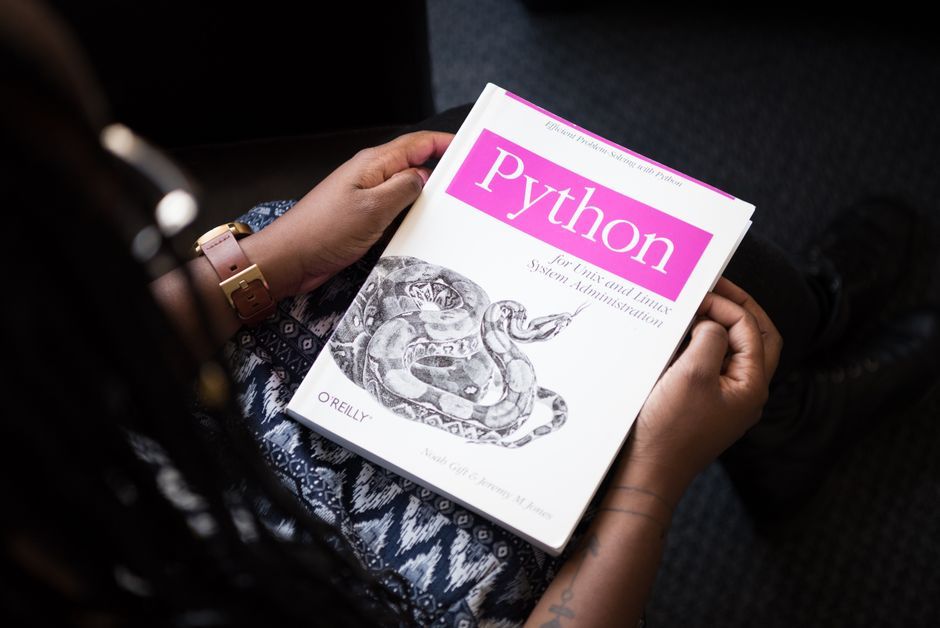
Stock photo for illustration only, not from the actual event
The consolidation of process supervision and task scheduling into systemd represents a major shift toward unified frameworks in modern Linux administration. By combining logging, resource limits, and dependency checks into a single tool, systemd reduces configuration complexity while enhancing system reliability across distributions like Ubuntu, RHEL, and Debian.
Earlier in the evolution of Linux operations, before systemd became standard across most distributions, engineers routinely combined multiple tools like cron and DJ Bernstein's daemontools. Today, systemd integrates these capabilities into a single framework encompassing services, timers, logging, security, resource limits, and dependency management. While daemontools remains relevant in legacy systems, lightweight environments, and specific embedded Linux deployments, systemd has firmly established itself as the de facto standard for modern servers.
Tracing the evolution of Linux job scheduling from traditional cron to daemontools and finally to systemd reveals why modern operations function the way they do. Grasping the origins and design philosophy behind each tool is just as vital as knowing how to configure them, providing valuable context for anyone building robust infrastructure.
Source: Dev.to
Found something wrong in this article? Report an issue with this article
Comments
Leave a Comment