

Iran says it has agreed Strait of Hormuz shipping route with Oman
Tehran announces an agreement with Oman on a temporary shipping route through the Strait of Hormuz, while warning that US blockades still threaten safe navigation.
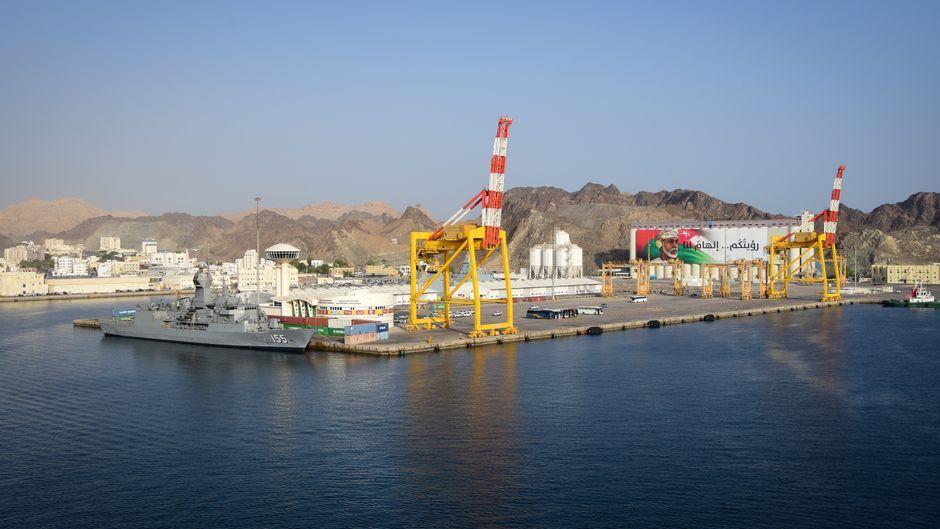
Stock photo for illustration only, not from the actual event
- Iran has stated it reached an agreement with Oman regarding a shipping route through the Strait of Hormuz.
- The foreign ministry confirmed the deal is in its final stages, though specific coordinates were withheld.
- The temporary route could remain open for two to four months, according to Iran's deputy foreign minister.
- Tehran argues that safety remains compromised due to the ongoing US blockade of Iranian ports.
Iranian officials have announced a major development regarding maritime traffic, reporting that a tentative agreement has been established with Oman over a designated shipping lane through the strategically vital Strait of Hormuz, which handles a massive share of global energy supplies.
Foreign ministry spokesman Esmaeil Baqaei stated that the geographical coordinates for the route have been agreed upon with Oman and that the arrangement is currently in its final stages. However, Baqaei cautioned that this bilateral deal alone does not guarantee safe passage, pointing out that regional security remains severely impacted by the US naval blockade.
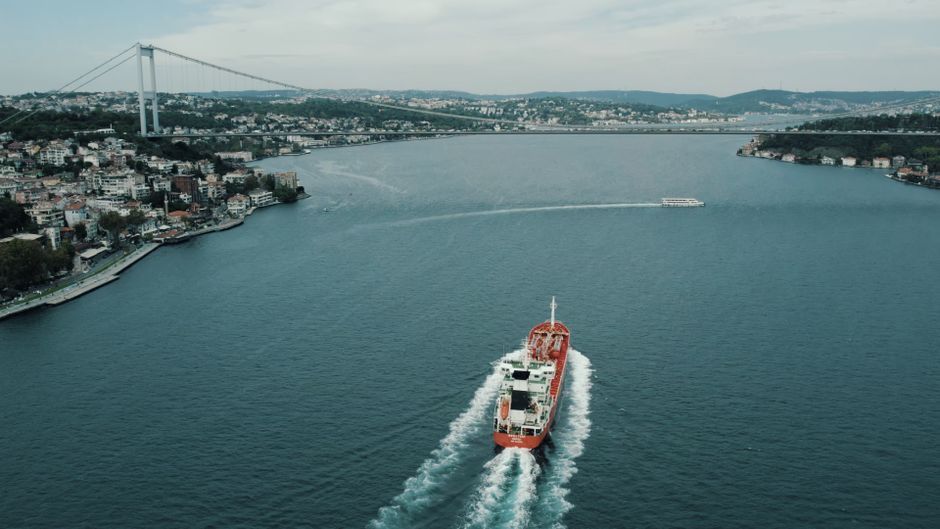
Stock photo for illustration only, not from the actual event
Later, Iranian Deputy Foreign Minister Kazem Gharibabadi informed state media that the newly established route would serve as a temporary measure and could stay operational for a duration of two to four months, though additional specifics were not provided.
"The geographical coordinates of the route have been agreed with Oman."
Traffic through the critical strait has plummeted since the US and Israel launched attacks on Iran in late February, an escalation that effectively choked off a route carrying roughly one-fifth of the world's oil and liquefied natural gas. Tehran has required strict prior clearance for vessels, targeting those that disregarded the order.
The Strait of Hormuz functions as one of the most critical energy chokepoints globally, and disruptions to its passage directly trigger extreme volatility in international oil markets. The involvement of regional mediators like Oman to establish temporary transit lanes reflects ongoing diplomatic efforts to bypass military gridlock, even as direct talks between Tehran and Washington remain stalled amid persistent naval blockades.
While senior US officials hinted that discussions could potentially permit shipments to resume shortly, Iran maintains its stance that it is not engaged in direct negotiations with Washington. Outstanding disputes, including Iran's threat to levy fees on passing vessels, continue to complicate broader maritime recovery efforts in the region.
Source: BBC Business
Found something wrong in this article? Report an issue with this article
Comments
Leave a Comment