

From Sunshine to Meal Times: Expert Tips on How to Beat Jet Lag
Understand the biological causes of jet lag when crossing time zones and learn expert strategies to help your body clock adjust smoothly.
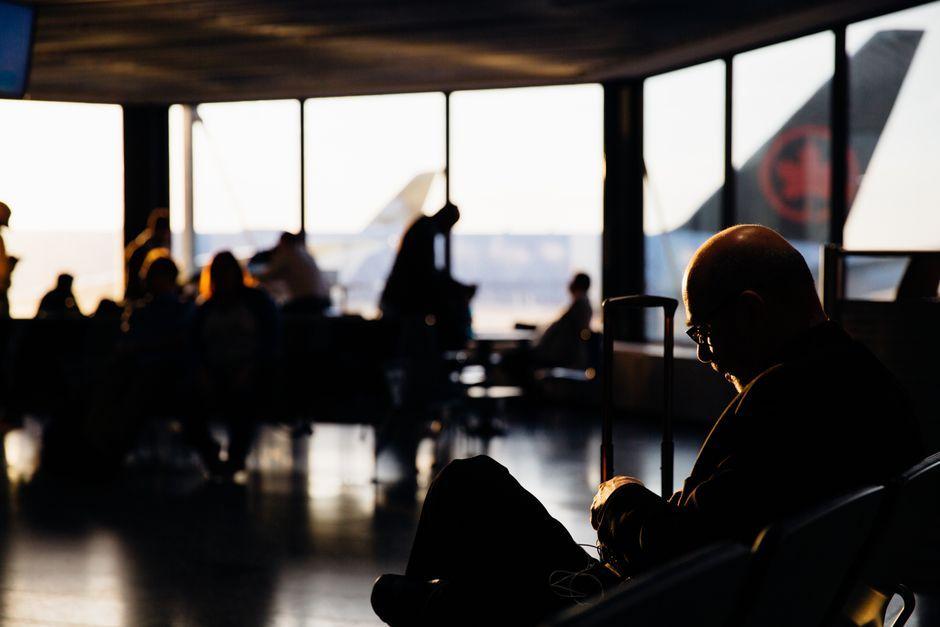
Stock photo for illustration only, not from the actual event
- Jet lag happens when your internal body clock mismatches local time.
- Traveling east is generally harder for the body than traveling west.
- Sunlight, food intake, and exercise can help reset your circadian rhythm.
- Eating late at night delays the release of sleep-inducing melatonin.
That heavy fatigue hitting you at 3 PM or staring wide awake at 3 AM is a familiar struggle for long-haul travelers. Jet lag is the physiological price paid for crossing global time zones rapidly. Dr Nina Rzechorzek, who leads research on human brain temperature, sleep, and circadian rhythms at the University of Cambridge, explains that rapid travel leaves your internal biological time aligned with home while you attempt to function on destination time.
This mismatch leads to disturbed sleep, daytime drowsiness, poor concentration, irritability, reduced performance, and digestive issues. Jet lag is tied directly to circadian rhythms, which act as the body's internal clock. Dr Anna Edmondson from the Laboratory of Molecular Biology at the University of Cambridge notes that nearly all cells maintain individual 24-hour clocks synchronized by a master clock inside the brain.
This master clock relies on environmental cues, primarily daily cycles of light and darkness. When these cycles shift abruptly due to long-distance flights, the master clock requires several days to adapt. The direction of travel also matters significantly. Dr Rzechorzek points out that traveling east is harder because human internal cycles run slightly longer than 24 hours, giving us a natural bias toward delaying rather than advancing our biological timing.

Stock photo for illustration only, not from the actual event
Jet lag is far more than simple travel fatigue; it is a systemic disruption of cellular clocks that govern core body temperature, hormone secretion, and metabolism. When environmental cues fail to match the master brain clock, internal organs fall out of sync, requiring dedicated behavioral adjustments to realign.
While there is no instant cure, travelers can mitigate symptoms using targeted adjustments. Dr Tatiana Wilson, a circadian researcher at Newnham College, Cambridge University, explains that controlling light, food, and exercise can reset our internal clocks:
- Expose yourself to morning light to advance your clock, or evening light to stay awake longer.
- Engage in daytime exercise like walking to reinforce your new time zone schedule.
- Consume meals during the day and avoid eating heavy foods hours before bedtime.
- Maintain good sleep hygiene by keeping bedroom lighting low, dark, and cool.
"After rapid travel across several time zones, your internal biological time initially stays aligned with home while you are trying to sleep, eat, and function on destination time."
Dr Nina Rzechorzek
Regarding sleep aids such as melatonin, Dr Edmondson cautions that it is a prescription-only drug in the UK and should only be taken under professional medical guidance. Natural outdoor light remains vastly brighter than indoor lighting even on overcast days, making outdoor exposure vital. Furthermore, late-night eating can push back the natural release of melatonin, making it harder to fall asleep naturally.
Source: BBC Health
Found something wrong in this article? Report an issue with this article
Comments
Leave a Comment