

Extreme Drought Is Upending River Cruises in Europe
Record-low water levels on major European rivers are stranding cruise ships, forcing operators to scramble for alternatives as insurers spot opportunities.
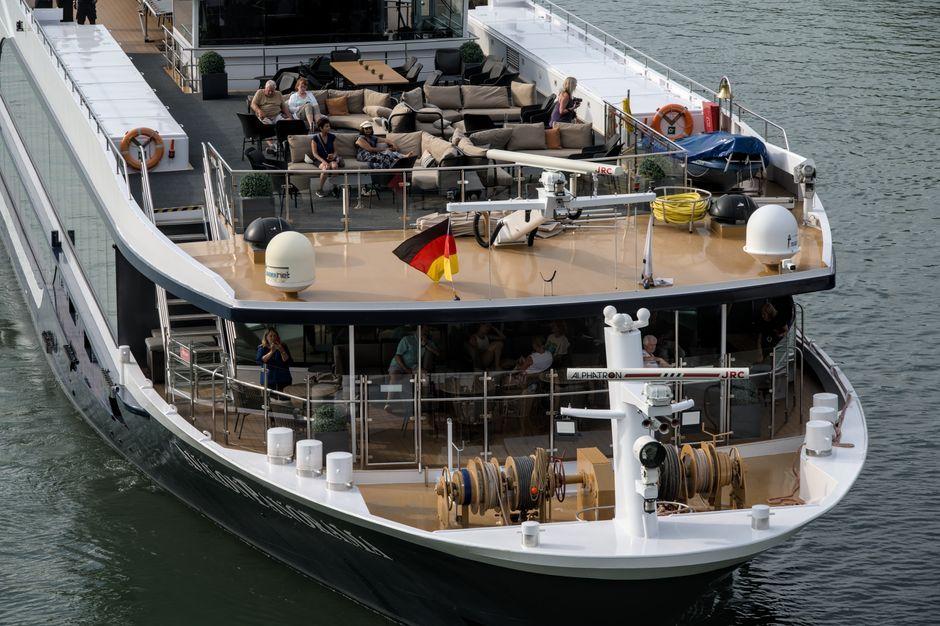
Stock photo for illustration only, not from the actual event
- Record-low water levels on the Rhine, Danube, and Po rivers are disrupting European river cruise operations.
- A Viking river cruise ship ran aground and forced the evacuation of 238 passengers and crew in Bulgaria.
- Operators are improvising with ship swaps, bus transfers, and hotel stays to manage disrupted itineraries.
- Recurring extreme weather exposes an unpriced climate risk for the cruise and travel sector.
Severe drought conditions and extreme heatwaves are gripping Europe, drying up crucial waterways and wreaking havoc on the continent's thriving river cruise industry. Travelers who booked scenic river voyages are now facing sudden disruptions and potential trip cancellations.
According to reports, the Rhine river flowing through Germany and the Netherlands hit record-low levels across multiple locations recently. Meanwhile, the Danube river spanning 10 countries dropped to its lowest point in thirty years last month, alongside falling water levels in Italy's Po river.
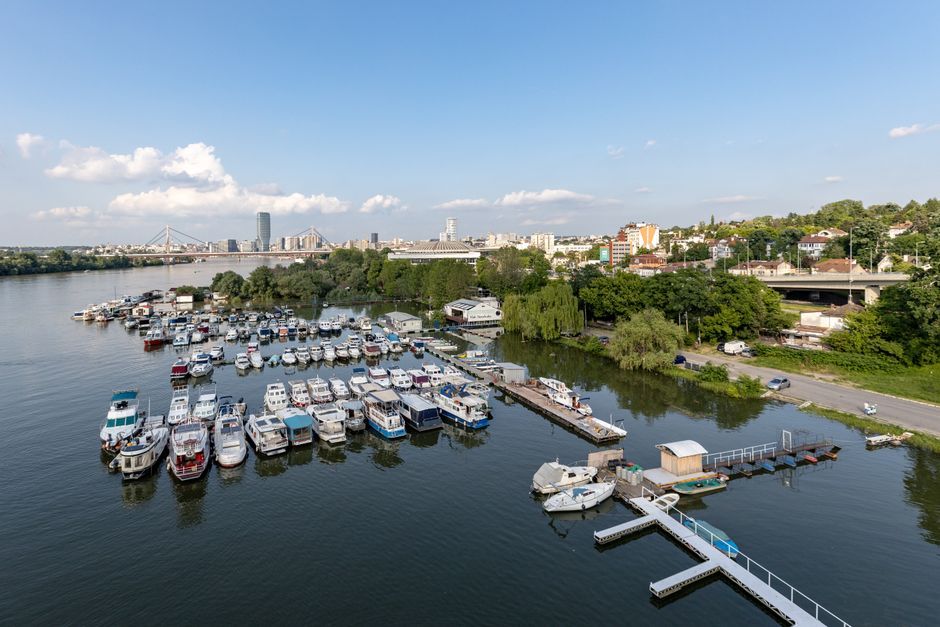
Stock photo for illustration only, not from the actual event
The continent has suffered through consecutive heatwaves and prolonged dry spells this summer, causing severe droughts and wildfires. These warming temperatures are further intensified by the El Niño weather pattern and human-induced climate change, crippling both commercial cargo and tourist navigation routes.
The recurring disruptions on Europe's vital waterways highlight a structural vulnerability for operators like Avalon Waterways, Scenic Group, Viking, and Uniworld. As extreme weather events become more frequent, the travel industry faces mounting pressure to fundamentally rethink itinerary reliability, pricing models, and long-term risk management strategies in an era of climate change.
Stranded ships have forced cruise operators into a scramble, deploying workaround solutions such as ship swaps, coach bus transfers, overnight hotel accommodations, amended embarkation points, and occasional outright cancellations. Tensions escalated in late July when a Viking ship ran aground on the Danube in Bulgaria, requiring the emergency evacuation of 238 passengers and crew members.
These operational changes have sharply divided customer sentiment. While some guests take to social media to defend the cruise lines, acknowledging that water levels are beyond human control, others demand financial compensation for severely altered itineraries.
Amidst the chaos, the consumer travel insurance sector stands to benefit. Travelers are increasingly seeking out specialized trip-interruption policies and high-and-low water coverage to secure peace of mind, even though overall premiums have yet to spike due to slow regulatory repricing processes in the U.S.
Source: Skift
Found something wrong in this article? Report an issue with this article
Comments
Leave a Comment