

Air India and IndiGo Just Hired CEOs for Two Very Different Global Goals
India's two largest airlines have appointed globally credentialed new CEOs within days of each other, reflecting divergent strategic needs for their fleets.
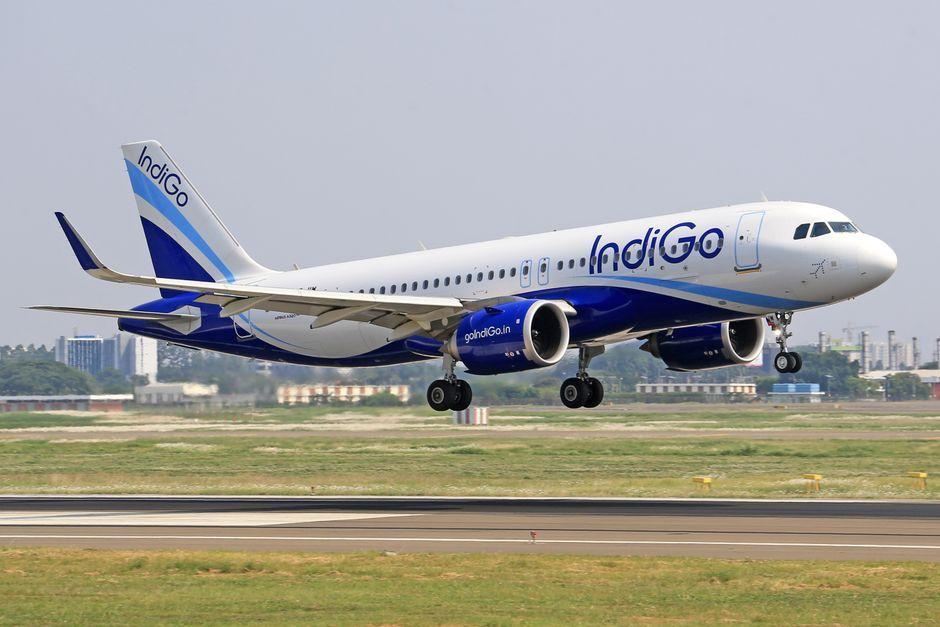
Stock photo for illustration only, not from the actual event
- Air India hired Tewolde Gebremariam to shift from Campbell Wilson's foundational turnaround into profitable execution.
- IndiGo appointed Willie Walsh to pursue global relevance amid pressing operational repair work.
- Air India faces the arrival of nearly 600 aircraft starting in 2027 alongside a board demanding faster profitability.
- IndiGo must address a December meltdown of ~4,200 cancelled flights and a widebody fleet retreat.
India's aviation sector is undergoing a major transition as the country's two flagship carriers appointed new chief executive officers just days apart. The recruitment of these seasoned international executives highlights starkly different priorities for their respective fleets over the next five years, with one focusing on disciplined operational scaling and the other on establishing global network relevance.
Air India brought in Tewolde Gebremariam to execute its ongoing transformation after Campbell Wilson completed the foundational heavy lifting. Wilson, a low-cost generalist brought in for triage of a dilapidated state-owned carrier, successfully merged Vistara, integrated AIX Connect, placed an order for over 470 aircraft, and completed a brand refresh.
Stock photo for illustration only, not from the actual event
Gebremariam's mandate is considerably different, drawing on his experience turning Ethiopian Airlines into Africa's most profitable carrier. He steps in as Air India faces fierce pressure: the board rejected a three-year profitability plan as too slow, the airline posted a $2 billion loss in 2025, and nearly 600 aircraft are scheduled to begin arriving in 2027.
Meanwhile, IndiGo hired network and alliance strategist Willie Walsh to build global reach. However, Walsh inherits immediate damage control, including a December scheduling meltdown that resulted in approximately 4,200 cancelled flights, a swing to a net loss, and a strategic retreat on widebody operations involving halted long-haul flights and suspended London Heathrow services.
These high-profile appointments signal that the era of effortless aviation growth in India has drawn to a close. Both carriers hold the fleet size and market position necessary to challenge established Gulf and Asian hub giants like Emirates, Qatar Airways, Singapore Airlines, and Turkish Airlines for lucrative East-West connecting traffic. Yet, shared industry headwinds—such as fuel volatility, currency depreciation, P&W engine shortages, and airspace closures—mean that operational discipline will dictate ultimate success rather than sheer expansion.
Both airlines possess the market position to challenge global hub giants, but the ultimate test moving forward will be whether their new leaders can impose the operational discipline required to make massive scale profitable.
Source: Skift
Found something wrong in this article? Report an issue with this article
Comments
Leave a Comment