

NHS must plan for heatwaves like it does for winter, health secretary says
The UK equals its record for days hitting 30C as the health secretary and unions urge immediate structural preparation for extreme summer heat.
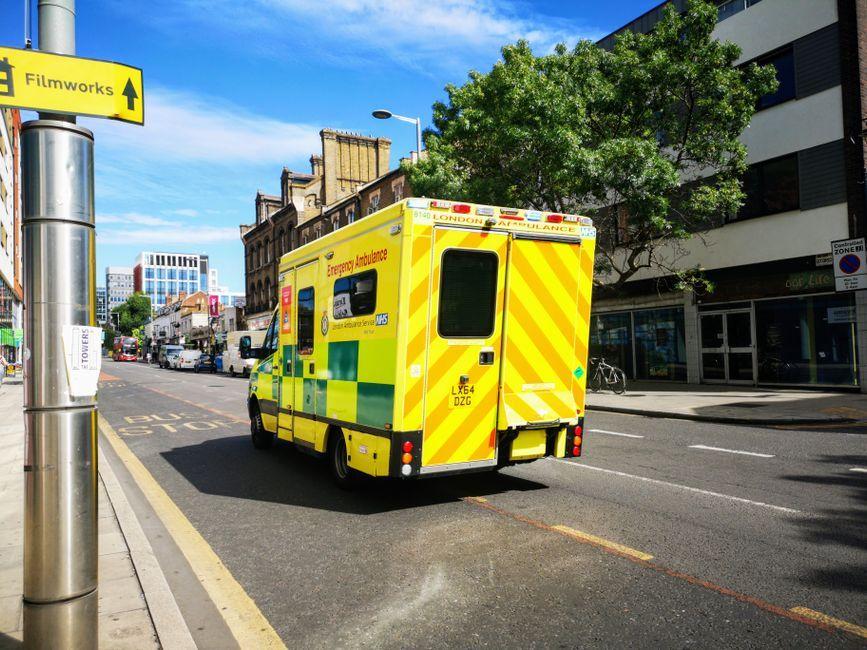
Stock photo for illustration only, not from the actual event
- Health secretary insists the NHS must prepare for summer heat just like winter.
- Unions report ambulance staff working in stifling heat with broken air conditioning.
- Estimated heat-related deaths reached 2,877 during May and June combined.
The National Health Service must establish annual preparedness protocols for extreme heatwaves that mirror its comprehensive planning for cold winter weather, according to the health secretary. Speaking in an interview with LBC Radio, the official urged citizens to check on elderly and vulnerable individuals while calling for a higher level of institutional planning from healthcare providers.
The statement coincides with the UK registering its 34th day of temperatures reaching 30 degrees Celsius or 86 Fahrenheit within a single calendar year on Tuesday, matching the historic record originally established back in 1995. Weather forecasts indicate that this milestone will likely be surpassed as early as the following week, alongside the potential emergence of a sixth consecutive heatwave. Official yellow heat warnings are already active across multiple regions.
Every year, the NHS implements detailed winter action plans designed to cope with surges in patient volume. Addressing this precedent, the health secretary noted that authorities have maintained a clear stance that summer operational pressures must now be anticipated and prepared for with the exact same diligence applied to winter conditions.

Stock photo for illustration only, not from the actual event
The appeal received strong backing from Unison, the trade union representing ambulance personnel, which reported that emergency crews have been subjected to extremely grueling working conditions throughout the summer season. Union members documented being deployed in vehicles featuring malfunctioning or nonexistent air conditioning, alongside limited access to basic drinking water and restroom facilities during long shifts spent queuing outside hospitals under punishing temperatures.
"Working in the heat was vile."
An ambulance technician from Birmingham
Sharan Bandesha, Unison's national officer for ambulance staff, emphasized that a fundamental rethink is urgently required. Alongside surging admissions for heat-induced illnesses, hospitals have encountered severe equipment malfunctions affecting scanners and IT networks, exacerbated by challenging workplace environments inside older healthcare facilities.
Treating extreme heat with the same strategic foresight as seasonal flu or winter bed shortages illustrates a vital shift in public health policy. As global temperatures rise, heatwaves are no longer isolated meteorological anomalies but systemic health hazards requiring long-term infrastructure upgrades and resilient workforce protections.
Beyond immediate risks like dehydration and heatstroke, severe heat significantly elevates complication risks for vulnerable patients suffering from advanced chronic conditions, including heart, kidney, and respiratory failures. A preliminary assessment released last month by the UK Health Security Agency estimated 2,877 heat-associated deaths during the May and June heatwaves, nearly doubling the total tally recorded for the entire preceding year. Furthermore, the agency warned that 2026 is on track to record the highest number of heat-related fatalities on record, eclipsing figures from 2022 when formal tracking began.
Source: BBC Health
Found something wrong in this article? Report an issue with this article
Comments
Leave a Comment