

Inside the 'RAMageddon' Crisis: AI Chip Boom Drives Memory Prices to Record Highs
The global memory market faces intense turbulence in 2026 as AI data centers consume over 70% of worldwide production, triggering severe shortages and soaring prices for RAM, PCs, and consoles through 2030.
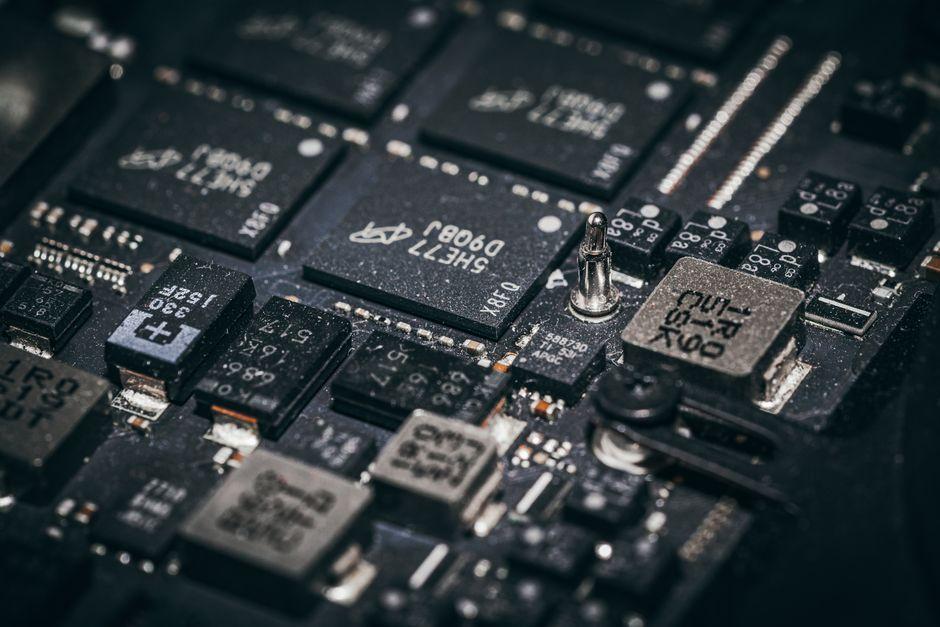
Stock photo for illustration only, not from the actual event
- 32GB DDR5 RAM prices surged from around $80-$120 to nearly $439 in less than a year.
- Samsung, SK Hynix, and Micron allocated over 95% of standard capacity to lucrative AI chips.
- Cloud providers' capital expenditures exceeded $1 trillion in 2026, with 30% targeting memory.
- Shortages and elevated prices are projected to persist persistently through 2029 or 2030.
The global tech industry and gaming community are confronting a historic tight squeeze known as 'RAMageddon'—a portmanteau of RAM and Armageddon describing an unprecedented spike in memory chip prices driven by severe supply shortages. While a 32GB DDR5 RAM kit for desktop computers cost roughly $80 to $120 late last year, price tags for the exact same hardware soared to around $439 by August 2026, marking an astronomical surge in less than twelve months.
A recent report by Deloitte indicates that Dynamic Random-Access Memory (DRAM) costs for AI servers doubled in the first quarter of 2026 alone, with prices projected to quadruple over the course of the year. Compounding the issue, newly constructed fabrication plants will not be fully operational until 2029 or 2030, meaning this severe shortage will burden consumers and enterprises alike for years, impacting everything from gaming consoles and smartphones to standard PCs. The root cause stems from massive demands for high-speed memory in AI Data Centers, particularly High-Bandwidth Memory (HBM) and enterprise-grade solid-state drives.
Stock photo for illustration only, not from the actual event
The world's three major memory manufacturers—Samsung, SK Hynix, and Micron—collectively control over 95% of global DRAM production and have strategically shifted standard DRAM and NAND lines toward more profitable AI components. Data from IDC cited through Astute Group estimates that AI data centers could absorb up to 70% of the world's total memory output in 2026. Consequently, major cloud service providers are projected to push capital expenditures past $1 trillion in 2026, allocating roughly 30% specifically toward memory infrastructure.
Unlike previous cyclical memory price spikes, the RAMageddon crisis is deeply rooted in structural shifts driven by heavy artificial intelligence infrastructure spending. Building advanced semiconductor fabrication plants requires multi-billion dollar investments and a three-to-five-year construction timeline, leaving manufacturers unable to quickly scale up consumer-grade supplies even when backed by record-breaking capital infusions.
The shockwaves have rapidly rippled down to consumer shelves. According to industry reports, Microsoft increased Xbox prices for the second time in under a year, raising the 512GB model by $100 and the 1TB version by $150, while Nintendo priced the Switch 2 at $499.99 due to rising component costs. Nvidia similarly raised GeForce RTX graphics card prices by 20 to 30% across the board as VRAM constitutes over 80% of total material costs for high-end models, pushing flagship cards like the RTX 5090 past $5,000.
"The company can only fulfill 55 to 60 percent of primary customer demand."
Micron
Analytic firms forecast continued upward price pressure ahead. TrendForce adjusted its fourth-quarter PC DRAM contract price forecast upward by 3 to 8 percent, while server RAM surges by 13 to 18 percent quarterly. Major PC vendors including Dell, Lenovo, HP, Acer, and ASUS are preparing retail price hikes of 15 to 20 percent, with budget-tier devices hit hardest. Furthermore, Counterpoint Research estimates that the global average selling price (ASP) for smartphones will increase by approximately 6.9% in 2026.
Source: Techsauce
Found something wrong in this article? Report an issue with this article
Comments
Leave a Comment