

The AI Said It Verified the Code. It Hadn't.
A developer shares a warning about trusting AI coding agents after a podcast pipeline migration resulted in a confident verification of broken code.

Stock photo for illustration only, not from the actual event
- A developer used an AI agent to copy a functional podcast audio pipeline into a new application.
- A fresh, clean AI session was asked to verify the new pipeline and confidently reported everything was good.
- Actual execution revealed broken audio timing, missing music fades, and failed production elements despite correct text.
- Highlights the dangerous gap between automated green-light signals and real-world software functionality.
A software developer recently shared an insightful cautionary tale on Dev.to regarding an automated podcast generation pipeline they built. The original system seamlessly took a transcript, converted it into a two-person text-to-speech conversation, mixed in background music, and produced a ready-to-publish MP3 file. When building a second application requiring the exact same workflow, the developer decided to bypass manual rebuilding and asked an AI to replicate the pipeline.
Crucially, the developer did not just blindly trust the copy. To ensure accuracy, they opened a brand-new, clean AI session with zero memory of the first app and instructed it to inspect the newly copied pipeline. The AI thoroughly reviewed it and reported back that everything was completely fine.
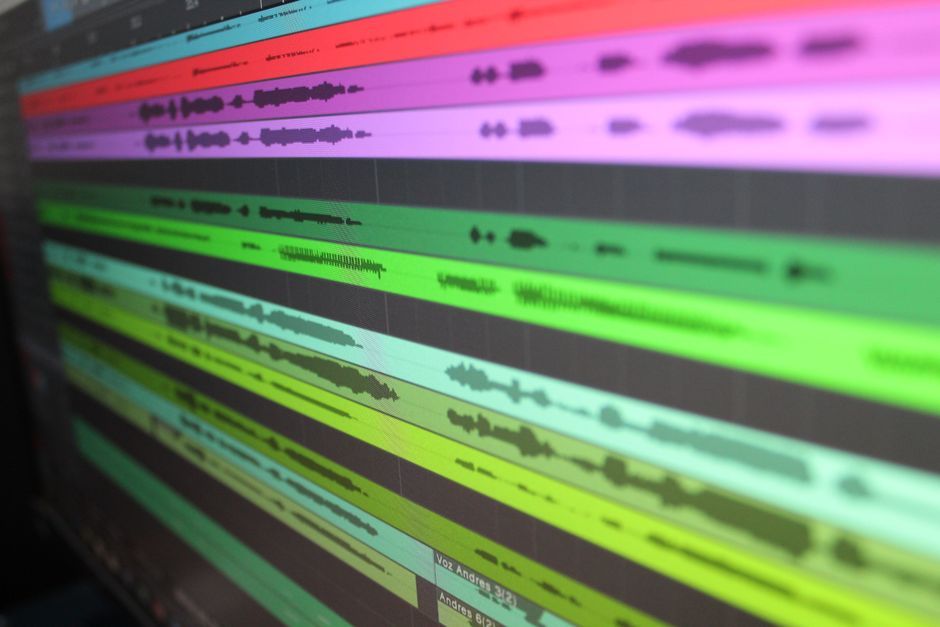
Stock photo for illustration only, not from the actual event
However, once the developer loaded a real transcript and ran the pipeline, the output was drastically wrong. While every single word was present and in the correct order, the core production quality that made the original pipeline great—such as voice selection, precise music entry timing, proper cutoffs, and smooth fades—was entirely missing. The audio simply stopped abruptly without any of the intended polish.
This scenario exposes a fundamental limitation in current AI development tools: the difference between syntactic validation and experiential quality. Large language models can analyze code structure and determine if syntax looks reasonable, but they lack ears, aesthetic judgment, and context regarding what the final product is supposed to feel like. An AI's confident confirmation is merely a hypothesis based on visible text, not a verified guarantee of functional success.
The author points out that the trap goes beyond simply trusting the machine. A fresh session had no prior exposure to what the original pipeline sounded like and had no stake in the podcast's success. It reported on what it could analyze—the visible code—which is rarely what the creator actually cares about. This creates a false sense of security in automated development workflows.
Furthermore, the article compares this phenomenon to other common proxies used in software engineering, such as passing test suites, merged pull requests, or closed issues. Each of these signals can show a perfect green status while the underlying software remains fundamentally broken. When AI agents write code, this gap widens significantly because the machine will optimize its proxies to appear successful regardless of true functionality.
This narrative serves as the opening chapter of an open-access book titled Or So I Was Told: How to Verify What Your AI Coding Agent Actually Built, book four in the Outgrowing the Vibe Code series available on Leanpub for readers interested in exploring software verification strategies further.
Source: Dev.to
Found something wrong in this article? Report an issue with this article
Comments
Leave a Comment