

How to Count Calories Accurately and Why It Matters
Discover how to calculate your true energy expenditure, choose the right tracking tools, and weigh your food with precision.
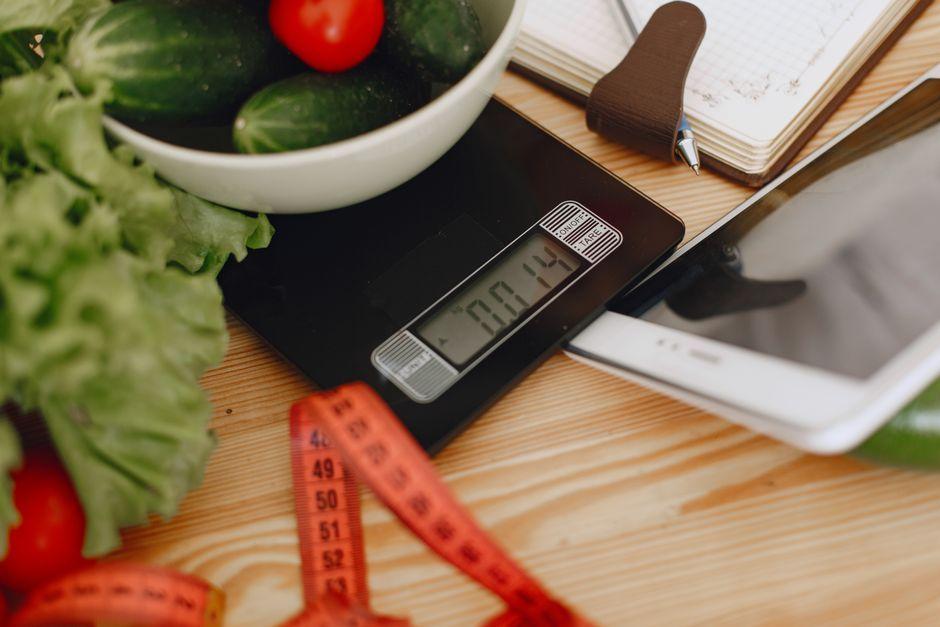
Stock photo for illustration only, not from the actual event
- Calories serve as a direct measurement of energy expenditure and intake.
- Daily calorie burn varies significantly from one individual to another.
- Using a digital food scale dramatically improves tracking accuracy.
- AI food-tracking apps offer convenience but still require human oversight.
Calories function as a measure of energy. The more physical exertion you perform, the higher your caloric requirement becomes to fuel those actions. Generally speaking, humans consume roughly the same volume of calories that their bodies naturally burn.
Macronutrients consist of fats, proteins, and carbohydrates, which represent the primary origin of dietary calories. Individuals track these macros when aiming to hit specific protein thresholds, gathering sufficient carbohydrates for athletic performance, or following precise dietary balances prescribed by a dietitian.
Throughout normal daily routines, human bodies require approximately 100 calories per hour merely to keep cellular functions active, brain cells firing, and blood circulating. Therefore, if a fitness tracker reports a 300-calorie burn during a jog, that figure adds on top of the baseline 2,000-ish calories burned continuously throughout the day.
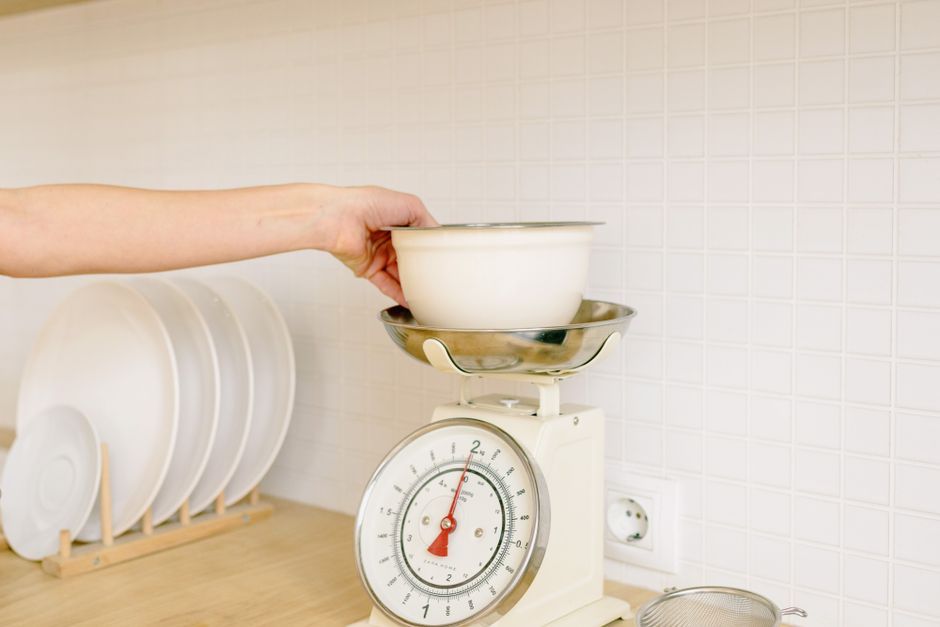
Stock photo for illustration only, not from the actual event
Understanding your Total Daily Energy Expenditure (TDEE) is essential because standard food labels rely on a generalized 2,000-calorie baseline that rarely fits everyone. Combining online calculators with real-world weight tracking remains the most reliable method to dial in your true maintenance level.
Regarding calorie-tracking software, numerous modern fitness apps integrate artificial intelligence features that scan food photos to estimate nutritional values. While these tools reduce manual effort, they lack absolute precision, meaning users must apply foundational knowledge to catch erroneous outputs.
Securing exact data requires proper portion management techniques, and utilizing a digital food scale simplifies the process significantly through methods such as:
- Placing toast on a scale, zeroing it, and spreading peanut butter to measure the exact gram weight used.
- Weighing out precise portions of chicken breasts, vegetables, or other ingredients.
- Portioning multi-serving meals equally by weighing the total batch and dividing it accurately.
Source: Lifehacker
Found something wrong in this article? Report an issue with this article
Comments
Leave a Comment