

Artificial Intelligence used to design brand new viruses
US researchers have successfully used artificial intelligence to design fully functional novel viruses from scratch that can replicate in a laboratory environment.
Stock photo for illustration only, not from the actual event
- US researchers successfully used AI to design brand new viral genomes for the first time.
- Sixteen synthetic viruses were created to target and kill E. coli bacteria without posing human threats.
- The technology functions similarly to language models but predicts genetic codes rather than text.
- Experts have raised urgent biosecurity concerns regarding the potential malicious use of this technology.
Researchers in the United States have achieved a groundbreaking milestone by employing artificial intelligence to design entirely new viruses from scratch. These artificially engineered viruses possess full functional capabilities and are capable of replicating inside a laboratory setting. While AI has previously been utilized to develop novel antibiotics, engineering a viable and functional viral organism from the ground up represents a significantly more complex leap forward.
The underlying technology operates in a manner comparable to large language models such as ChatGPT, which forecast sequences of text. In this scientific breakthrough, the AI models—designated as Evo1 and Evo2—predict the language of life instead of human words. These artificial intelligence systems underwent rigorous training using genetic data extracted from viruses, bacteria, plants, and humans, before being refined to produce bacteriophages, a specific category of viruses designed solely to infect and destroy targeted bacterial strains.
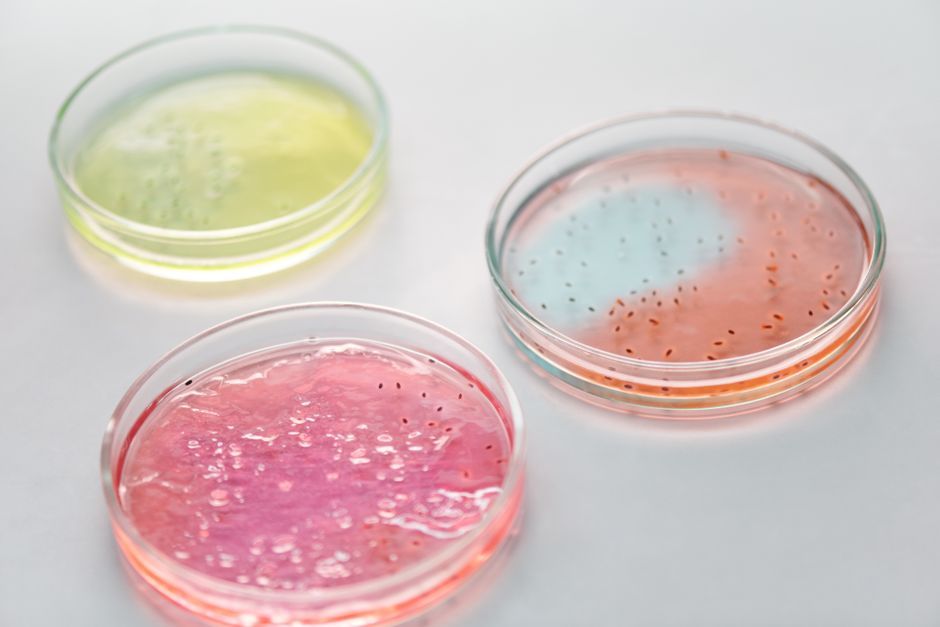
Stock photo for illustration only, not from the actual event
Stanford University researchers selected the 302 most promising AI-generated designs and successfully synthesized them within laboratory conditions. Out of these attempts, 16 distinct viruses proved effective at neutralizing E. coli bacteria. Samuel King, a PhD student involved in the research team, recounted that they realized the newly created phages were successfully operating during the early hours of the morning after placing them onto petri dishes layered with bacteria and waiting for signs of the viral feast.
This breakthrough highlights the incredible potential of synthetic biology, where AI can engineer biological systems that go beyond the limitations of the natural world. Developing new bacteriophages offers a promising alternative to combat bacterial infections that have grown resistant to standard antibiotics. However, this advancement also sparks serious discussions regarding dual-use technology, as malicious actors could potentially exploit the same methodology to engineer harmful pathogens, prompting calls for strict biosafety regulations.
"This was new territory for us"
Brian Hie, Assistant Professor at Stanford University
To mitigate potential risks, the researchers implemented strict safety precautions by excluding complex organism-infecting viruses from the training database and conducting all experiments strictly on harmless bacterial phages inside secure facilities. Professor Patrick Cai from the Manchester Institute of Biotechnology described the study as a major milestone, noting that genome language models are beginning to grasp evolutionary design principles and paving the way toward advanced AI-assisted genome writing.
Source: BBC Health
Found something wrong in this article? Report an issue with this article
Comments
Leave a Comment