

Wildfire-ravaged habitats in Wales could take centuries to recover, environmentalists warn
Environmental watchdogs warn that severe summer wildfires incinerating peat-rich soils in Wales could take hundreds of years to bounce back while amplifying flood risks.
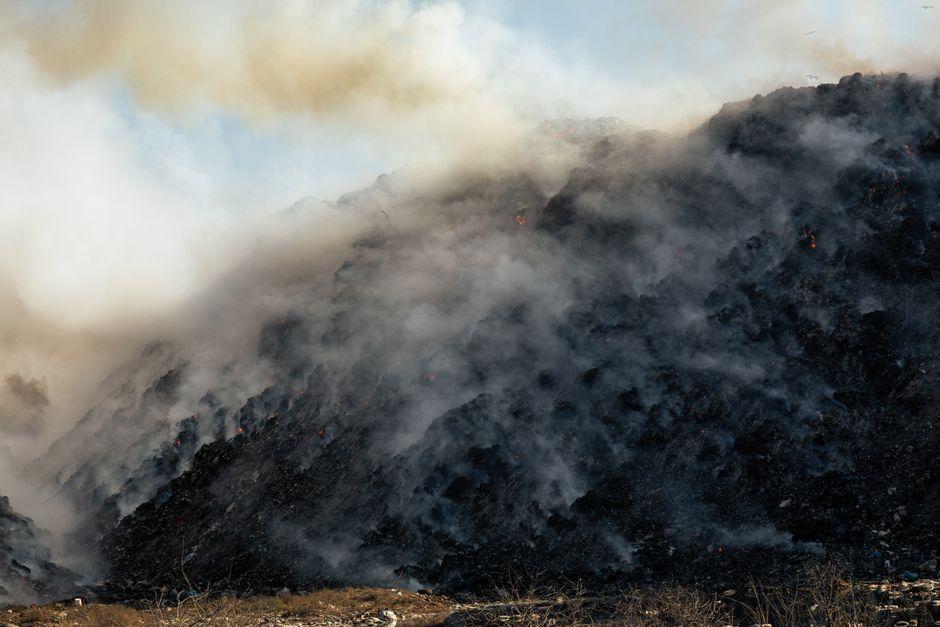
Stock photo for illustration only, not from the actual event
- Natural habitats in Wales destroyed by wildfires could take hundreds of years to fully recover.
- Peat soil incinerated by blazes grows at an extremely slow rate of about one millimeter per year.
- A massive wildfire in the Rhinogydd mountains scorched more than 2,000 acres of land.
- The Pensychnant Conservation Centre lost about a third of its land, wiping out trapped reptiles and invertebrates.
Natural landscapes across Wales may require centuries to heal after being battered by intense wildfires this summer, leaving lasting scars on local ecosystems, wildlife, and vital upland soil structures.
Nick Thomas from Natural Resources Wales (NRW) explained that if soil in upland areas rich in peat has been incinerated, recovery could take generations. Because peat accumulates at a rate of only about a millimeter a year, it could take centuries for the vegetation to return, describing the period as the worst Wales has ever experienced.
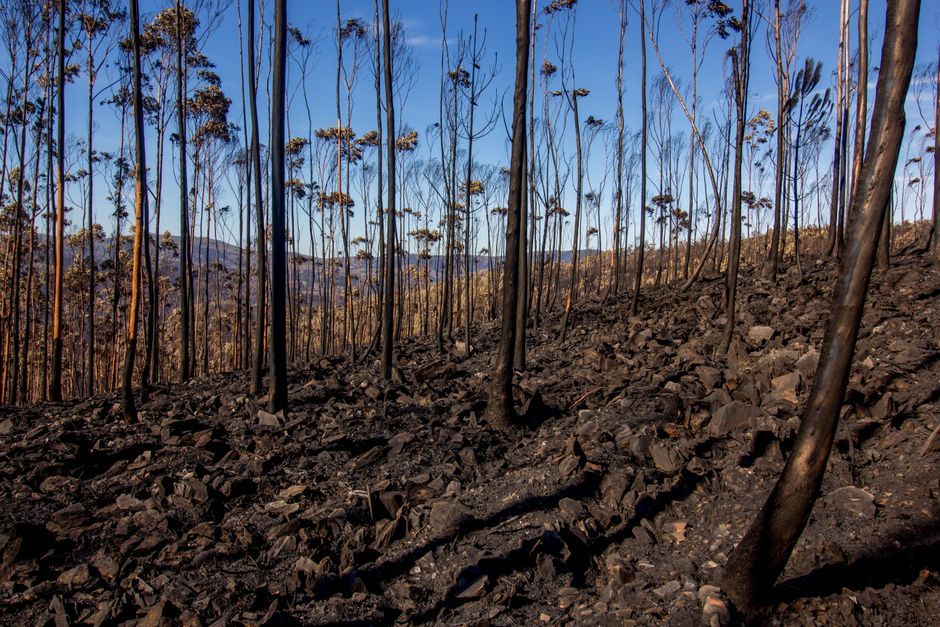
Stock photo for illustration only, not from the actual event
Aside from habitat destruction and wildlife loss, Thomas warned that the disappearance of soil could heighten flood risks because the ground no longer functions as a natural sponge holding water on high ground. Wales has witnessed massive wildfires this season, including major incidents that forced village evacuations in Conwy county.
In the Rhinogydd mountain range in Gwynedd, home to a National Nature Reserve and a Special Area of Conservation, a fire burned for nearly two weeks affecting more than 2,000 acres. Meanwhile, a fire in Blaenavon, Torfaen, produced smoke that could be smelt as far away as Cardiff.
The ecological impact of upland wildfires extends far beyond surface vegetation, threatening peatlands which serve as critical long-term carbon sinks. When severe fires burn deep into organic soil layers, they release massive amounts of stored carbon back into the atmosphere while permanently altering the landscape's hydrology, which dramatically increases surface runoff and downstream flood vulnerabilities.
Conservation areas have borne the brunt of these disasters. At the Pensychnant Conservation Centre, warden Julian Thompson, who has served for 36 years, reported that the intense heat turned the soil to dust right down to the bedrock after losing about a third of its 150 acres.
"Things like the snakes, adders, reptiles, they can not escape, so they will be destroyed. All the invertebrates will be destroyed. This is the best-known place for them. So on our land... they will have been destroyed."
Julian Thompson, Pensychnant Conservation Centre Warden
Evie Roberts, a silversmith and instructor at the center, emphasized that the public must be educated about the dangers of careless actions like discarding bottles or cigarettes. She noted that individual choices can carry devastating ecological consequences, making public awareness vital to preventing future tragedies.
Source: BBC Science & Environment
Found something wrong in this article? Report an issue with this article
Comments
Leave a Comment