

South Korea space agency shares Moon images after SpaceX rocket debris crash
South Korea's KASA has released lunar surface images captured by the Danuri orbiter following an unintended impact by a SpaceX Falcon 9 upper stage.
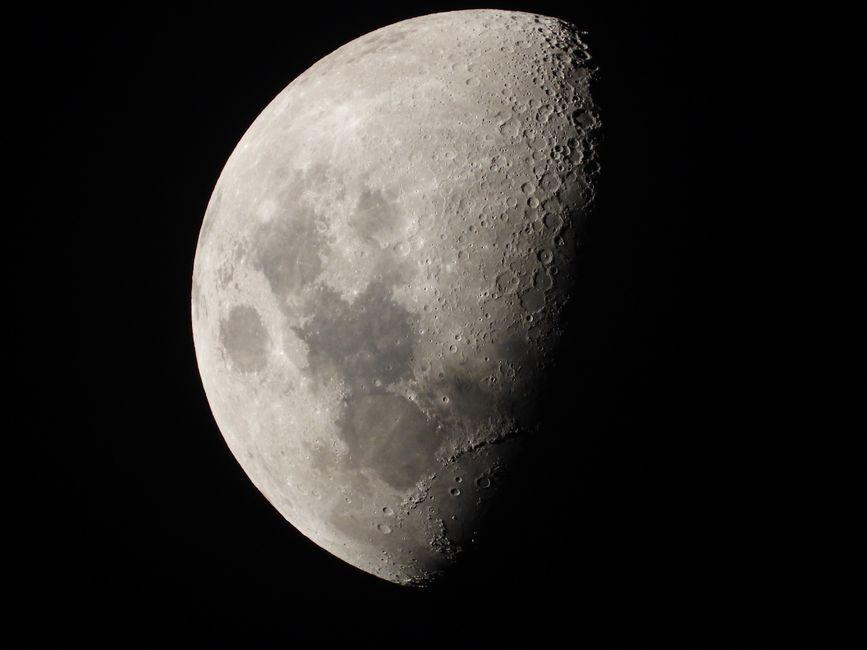
Stock photo for illustration only, not from the actual event
- KASA shares Moon images following the SpaceX rocket debris impact
- The Falcon 9 upper stage struck the lunar surface at 06:35 GMT on Wednesday
- The debris measures about the size of a five-storey building and weighs 4,000kg
- Astronomers voice growing concerns over ongoing space debris accumulation
South Korea's aerospace agency has published photographic evidence revealing the lunar surface after a segment of a SpaceX rocket collided with the Moon on Wednesday. The Korean AeroSpace Administration, or KASA, distributed these snapshots captured by the Danuri lunar orbiter, setting them side-by-side with previous images showing the Moon's appearance prior to the crash.
According to the South Korean space agency, the rocket debris impacted the lunar terrain at approximately 06:35 GMT on Wednesday. SpaceX has previously stated that the collision of the spent rocket part was entirely unintentional.
The empty upper stage of this Falcon 9 rocket is roughly comparable in scale to a five-storey building and carries an Earth weight of about 4,000 kilograms, equivalent to 630 stokes. Scientists had previously projected that the object would slam into the Moon at a velocity of roughly 5,400 miles per hour, or 8,700 kilometers per hour. While the brief, striking flash generated upon impact would have eluded amateur astronomers even when utilizing advanced telescopes, major observatories and South Korea's space agency are currently analyzing the gathered data.
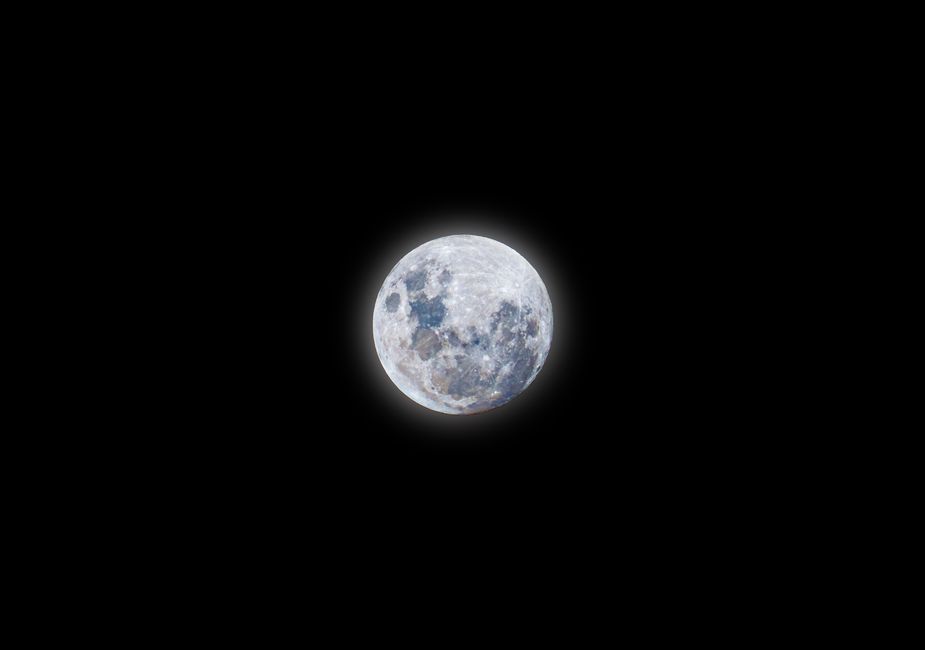
Stock photo for illustration only, not from the actual event
"While the impact did not pose any danger to Earth, Matt Bothwell, astronomer at the University of Cambridge, raised concerns about space debris."
Although the lunar crash presented zero physical threat to our home planet, Matt Bothwell, an astronomer at the University of Cambridge, voiced distinct apprehensions regarding the broader issue of orbital space debris.
This incident underscores the complex realities of orbital mechanics and long-term space exploration sustainability. While reusable rocket technology has revolutionized launch economics, spent upper stages left in looping orbits can interact unpredictably with the gravitational fields of the Earth, Moon, and Sun over extended periods, eventually turning into uncontrolled projectiles.
The Falcon 9 in question originally lifted off from Florida in January of last year, carrying a pair of lunar landers into space before its upper stage was left drifting in an elongated, looping trajectory. Over the span of eighteen months, cumulative gravitational pulls and solar radiation pressure gradually altered its path, steering it directly toward the lunar surface with accelerating momentum.
Source: BBC Science & Environment
Found something wrong in this article? Report an issue with this article
Comments
Leave a Comment