

Tesla Electric Door Issue Set to Transform Industry-Wide Vehicle Safety Regulations
U.S. safety regulators reject single-brand defect investigation petition, preparing to push for strict new emergency exit rules for all automakers following tragic incidents of passengers trapped in vehicles.
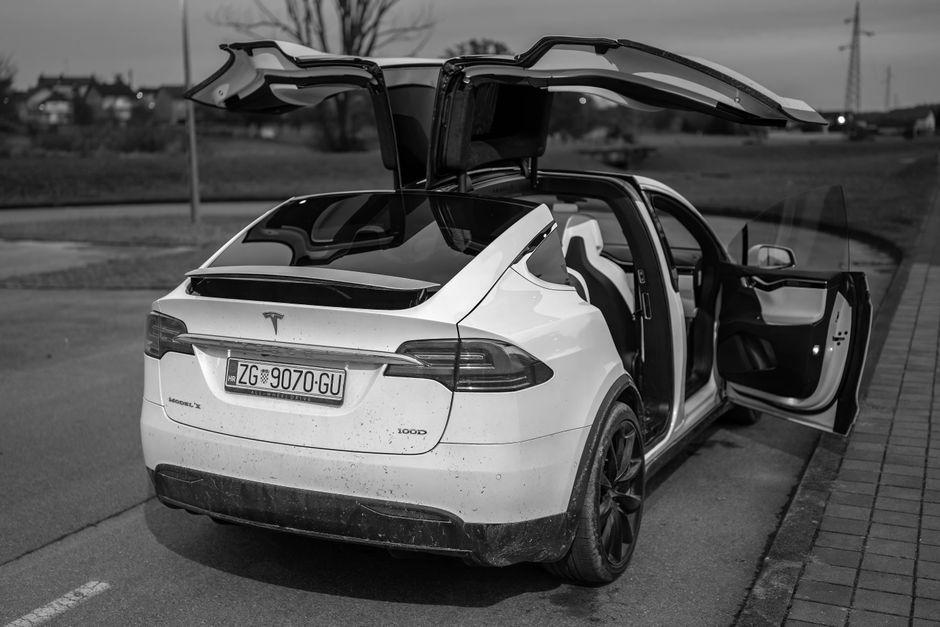
Stock photo for illustration only, not from the actual event
- NHTSA reveals Tesla door-opening system issues are unsuitable for a brand-specific Defect Investigation
- Prepares to issue mandatory regulations for clear and user-friendly emergency exit systems in all cars
- The new rulemaking process may take 2 to 5 years, expected to take effect around 2030 onwards
- China previously banned electronic door handles due to safety reasons
Tesla’s electronic door handle system, designed to sit flush with the vehicle body for aerodynamic efficiency, is becoming a hot issue that could lead to a major safety regulation upgrade for the entire automotive industry. This follows reports of accident incidents leaving passengers trapped inside vehicles, resulting in over a dozen fatalities.
In an announcement published by the National Highway Traffic Safety Administration (NHTSA), it stated that complaints regarding Tesla's mechanical door release system have not met the threshold to open a single-brand defect investigation. However, the issue should be addressed through a broader rulemaking process to set standards requiring all cars to have robust and clearly visible emergency exit systems. Once this draft regulation is finalized, all new vehicles must fully comply with these requirements.
Previously, the Chinese government banned the use of electronic door handles for safety reasons earlier this year, while the NHTSA had also previously investigated cases where Tesla door handles failed to function due to low-voltage battery issues.
Behind the NHTSA's decision to push for general regulations rather than a targeted investigation solely into Tesla reflects that the issue of emergency exits in the era of 100% electrically powered electric vehicles (EVs) has become an industry-wide challenge, not just a matter for any single brand. Power cutoffs during accidents make hidden door mechanisms difficult to operate, highlighting an area where regulatory bodies must step in to close legal loopholes for long-term consumer safety.
The announcement came after Kevin Clouse, a Silicon Valley engineer, filed a petition requesting a defect investigation after experiencing a crash and finding that the emergency door-opening system was hard to access and not clearly visible. The petition detailed the incident as follows:
"The petitioner stated that following a head-on collision, a 2022 Tesla Model 3 lost all electrical power and caught fire, rendering the electric door handles inoperable and making it impossible to immediately locate the mechanical door handles, forcing him to climb to the rear seat and exit through the rear passenger window."
Kevin Clouse
Although the NHTSA denied the petition for a targeted investigation, it stated that broad regulatory efforts are necessary. Nevertheless, car users should not expect immediate regulatory changes, as the agency's rulemaking process typically averages 2 to 5 years, meaning new requirements may not materialize until 2030 or later.
Automakers generally resist new rules that create additional costs, similar to the case of advanced automatic emergency braking proposals. Meanwhile, the U.S. Congress has also begun moving by proposing legislation to mandate that new vehicles feature manual door-release mechanisms and provide a way for rescue personnel to access the vehicle when power fails.
Last year, Tesla stated it would redesign its electronic door handles, though it did not provide a clear timeframe. Franz von Holzhausen, Tesla's Chief Designer, previously stated in an interview with Bloomberg that the company is considering improving the handles to make them easier for passengers to use in panic situations.
Source: The Verge
Found something wrong in this article? Report an issue with this article
Comments
Leave a Comment