

Trump imposes 15% tariff on key chip material to counter China
US President signs executive order levying a 15% tariff and setting minimum import prices on polysilicon to protect domestic manufacturers.
Stock photo for illustration only, not from the actual event
- US President Donald Trump signs an executive order imposing a 15% tariff on polysilicon imports.
- The order also sets minimum import prices to shield domestic semiconductor and solar panel supply chains.
- China currently holds a near-monopoly on the production of the vital chip material.
- The new trade measures are scheduled to take effect in December.
US President Donald Trump signed an executive order on Thursday introducing a 15% tariff on imported products made from polysilicon, a critical raw material utilized in the manufacturing of semiconductors and solar panels. The order follows a national security investigation into overseas production of the material.
Alongside the tariff, the directive establishes minimum import prices for polysilicon and related goods. The initiative is designed to safeguard American manufacturers confronting intense competition from China's chip sector, a central friction point between the two largest global economies.
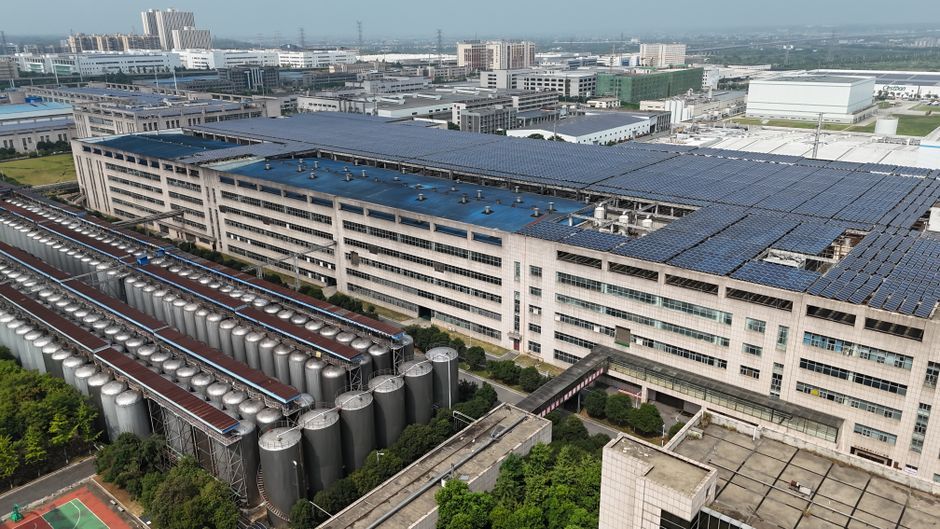
Stock photo for illustration only, not from the actual event
The Chinese embassy in Washington criticized the measure, stating it seriously disrupts bilateral trade and vowing that Beijing will take countermeasures to protect its enterprises. The embassy asserted that Washington is abusing state power to target Chinese businesses and warned that protectionism will not enhance US competitiveness.
Trump stated in the order that he accepted recommendations from Commerce Secretary Howard Lutnick to implement the minimum import prices and the 15% levy. The measures are slated to take effect in December, accompanied by federal incentives aimed at bolstering domestic production capacity.
"Foreign firms to weaken United States producers in the polysilicon sector."
Donald Trump
Trump emphasized that while the material remains vital for electronics and military gear, American import dependence has caused the US share of global polysilicon production to plummet from 50% in 2005 to under 2% in 2024, leaving China with a near-monopoly. The executive order is expected to benefit primary domestic producers such as Hemlock Semiconductor and Wacker Chemie.
Chip manufacturing remains a pivotal battleground in the US-China technological race, particularly for artificial intelligence development. This tariff marks the latest escalation in Washington's ongoing efforts to restrict China's footprint in critical supply chains, following similar curbs on drones and humanoid robots. In response, Beijing has enforced tighter export controls on drones and launched security reviews on imported office equipment, signaling a protracted technology rivalry.
Source: BBC Business
Found something wrong in this article? Report an issue with this article
Comments
Leave a Comment