

South Korea battles historic heatwave with drones and airport shelters
South Korea faces an unprecedented heatwave with temperatures soaring to 42.5C, prompting emergency measures, airport shelters, and drone warnings.
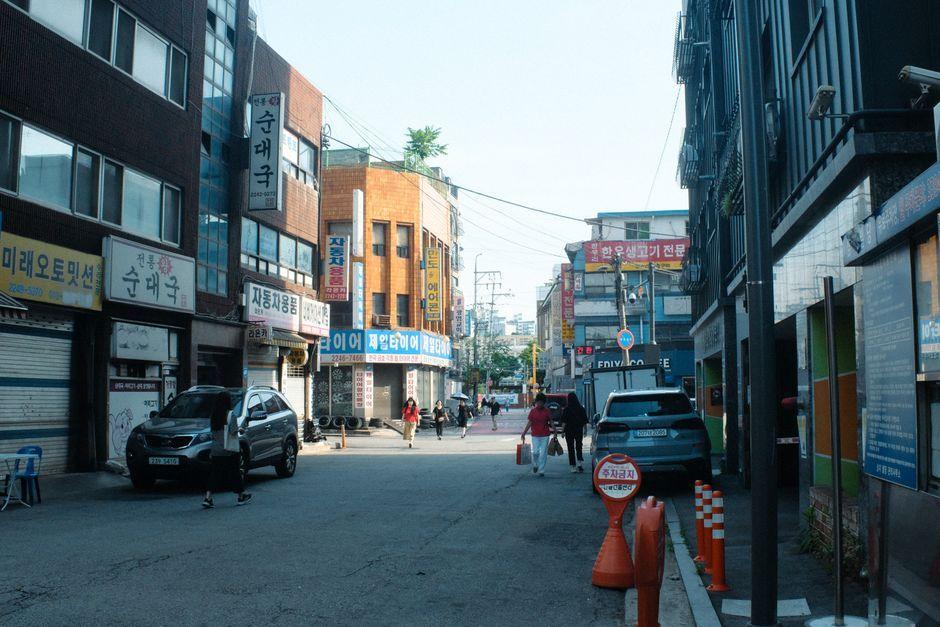
Stock photo for illustration only, not from the actual event
- South Korea is battling an unprecedented heatwave with temperatures peaking at a historic 42.5C in Yangsan.
- President Lee Jae Myung has ordered all public agencies to mobilize resources, declaring the extreme heat a national disaster.
- At least 23 people have died from heat-related illnesses, while nearly 2,500 have sought emergency medical treatment since mid-May.
- Air-conditioned airports like Incheon have become impromptu shelters for homeless and elderly communities escaping the heat.
South Korean authorities are rolling out aggressive emergency measures as the country grapples with a historic and relentless heatwave. President Lee Jae Myung has directed public agencies to mobilize all available resources to combat the extreme weather, formally categorizing the crisis as a national disaster that demands an all-hands-on-response.
In the southern city of Yangsan, temperatures hit an all-time high of 42.5C earlier this week. Local authorities responded by deploying fleets of sprinkler trucks to cool down sun-baked asphalt and distributing free chilled bottled water at parks and bus stops. Meanwhile, rural regions such as North Gyeongsang province are utilizing high-tech solutions, deploying drones equipped with loudspeakers and thermal imaging cameras to monitor and warn elderly farmers working outdoors.
Stock photo for illustration only, not from the actual event
The scorching conditions have forced widespread cancellations of outdoor events following warnings from the national weather agency. Daily rituals such as the traditional changing-of-the-guard ceremony at Seoul's Gyeongbokgung Palace have been called off, and the national baseball organization suspended all games for the week after a 23-year-old spectator collapsed in Incheon due to heat-induced dehydration and low blood pressure.
"Heatwave conditions once seen only in foreign news reports have now become our reality."
Lee Jae Myung, South Korean President
With outdoor life becoming unbearable, South Korea's air-conditioned transit hubs—most notably Incheon International Airport—have transformed into refuges for vulnerable groups, including the homeless and elderly who utilize benches and makeshift blanket towels to beat the heat. In response to commuting struggles, a 23-year-old undergraduate student developed Geuneulro, a mobile application that calculates sun positions and building shadows to map out the shadiest walking routes through the city, gaining immense popularity among students.
This severe heatwave in South Korea highlights the escalating intersection of climate change, urban vulnerability, and technological adaptation. The reliance on public infrastructure like airports for cooling and grassroots innovations such as shadow-mapping apps demonstrate how communities must rapidly innovate to cope with extreme weather events driven by shifting global climate patterns.
Source: BBC Science & Environment
Found something wrong in this article? Report an issue with this article
Comments
Leave a Comment