

How Nevis Built a Tourism Strategy Around Refusal
The Caribbean island of Nevis markets its scarcity and luxury by banning cruise ships and high-rises, while investing in private aviation access.
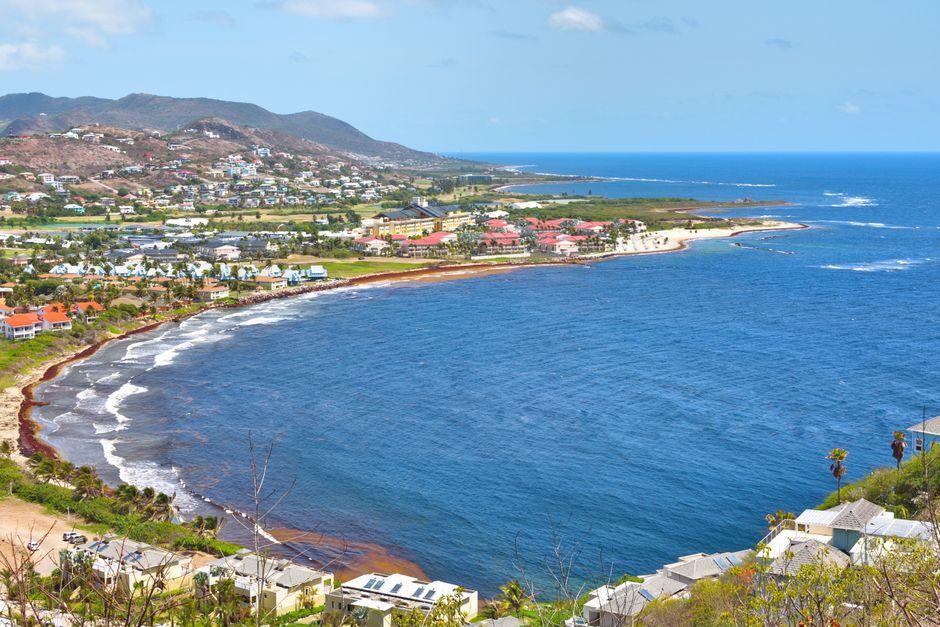
Stock photo for illustration only, not from the actual event
- Nevis differentiates itself by banning cruise ships, high-rises, fast food chains, traffic lights, and mega-resorts.
- The island is building a 50-jet private aviation facility expected to open in about 18 months.
- It faces structural changes ahead of the EU-mandated phase-out of citizenship-by-investment programs by 2028.
The Caribbean island of Nevis has established its distinct tourism position through a strict list of prohibitions, refusing to allow cruise ships, buildings taller than a coconut tree, fast food chains, traffic lights, and large all-inclusive resorts on its territory.
Mark Brantley, the Premier of Nevis, explained in an interview in early August that these limitations stem from both physical constraints and deliberate branding. Because the island is not built to handle massive tourism volume, the government turned that limitation into an exclusive marketing asset, emphasizing understated luxury and uncrowded beaches.
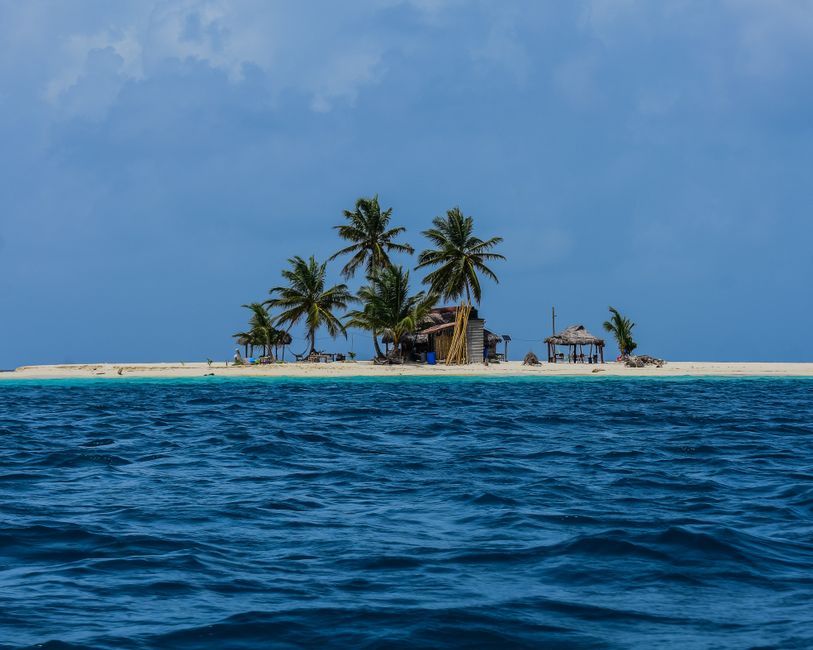
Stock photo for illustration only, not from the actual event
Despite marketing its exclusivity and natural barriers to entry, the local government is actively spending money to improve accessibility. Ground has already been broken on a new aviation facility designed to accommodate 50 private jets within approximately 18 months, with ambitions to secure direct arrivals from the U.S. East Coast.
Meanwhile, Nevis benefits geographically from neighboring St. Kitts, located just two miles away within the same federation. While St. Kitts absorbs mass-market cruise ship crowds, Nevis captures spillover spending via regular five-minute water-taxi traffic. Furthermore, officials are exploring a cooperative luxury marketing cluster combining Nevis, St. Barts, and Anguilla into a single trip package.
"Luxury without being ostentatious and empty beaches."
Mark Brantley
The strategy deployed by Nevis highlights a fascinating paradox in destination management: for four decades, the sheer difficulty of reaching the island naturally restricted mass tourism and preserved its pristine environment. By building a dedicated private jet terminal, the government is deliberately removing that friction, putting to the test whether true brand scarcity can survive easier physical access. Additionally, the impending phase-out of citizenship-by-investment funding by 2028 adds financial pressure, as this program historically funded high-end tourism inventory without necessarily generating robust repeat visitors.
Source: Skift
Found something wrong in this article? Report an issue with this article
Comments
Leave a Comment