

How a 90-second power outage sparked chaos for rail commuters
A brief 90-second power cut at a Network Rail operations centre in Manchester caused widespread disruption across the North West of England, raising questions about infrastructure vulnerability.
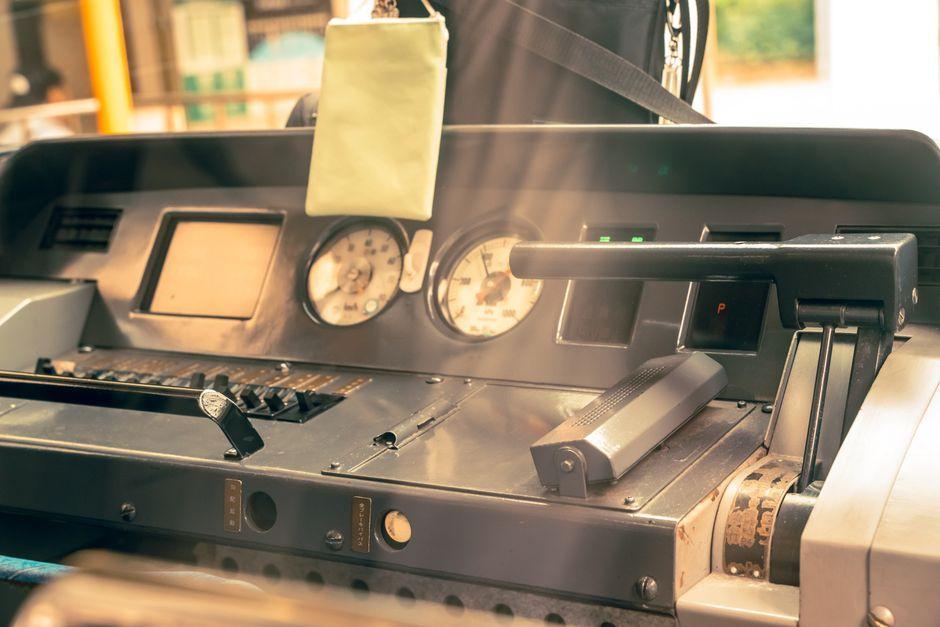
Stock photo for illustration only, not from the actual event
- A 90-second power cut at Manchester rail centre caused widespread chaos
- Backup power supply failed to kick in as quickly as expected
- Experts warn centralized control hubs create single points of failure
A power failure lasting just 90 seconds at a Network Rail operations centre in Manchester has triggered severe disruptions for rail commuters, exposing critical questions about how a brief outage at a single facility can generate such extensive fallout.
Network Rail, the publicly-owned body responsible for operating and maintaining Britain's railway infrastructure including tracks and signals, is now facing intense scrutiny over how its operational systems responded to the incident.

Stock photo for illustration only, not from the actual event
The disruption originated at Manchester's Rail Operating Centre, which oversees crucial safety controls across large parts of the North West. Although the facility is equipped with a backup power supply given its critical importance, this backup failed to activate as quickly as anticipated, halting signaling systems and requiring complete system reboots.
Consolidating railway operations into centralized hubs aims to modernize control networks compared to legacy signal boxes, but it inherently introduces structural vulnerability. When an entire region relies on a single high-tech operating center, minor technical glitches can rapidly cascade into network-wide paralysis.
"if one thing goes wrong, it can wipe out, as we saw, quite a lot of the network"
Christian Wolmar
Chris Wright, north-west route director at Network Rail, stated that the organization is working diligently to identify the root cause, issuing an apology to customers alongside a formal investigation. Rail writer Christian Wolmar highlighted that centralization creates a system where localized failures can wipe out substantial parts of the network.
Meanwhile, rail engineer and writer Gareth Dennis connected the incident to ongoing funding pressures and job cuts within Network Rail, questioning whether adequate staff resources are available to conduct rigorous equipment checks. These infrastructure challenges arrive as the government pushes forward with plans to establish Great British Railways and eventually dissolve Network Rail as a separate entity.
Source: BBC Business
Found something wrong in this article? Report an issue with this article
Comments
Leave a Comment