

Samsung Warns RAM Crisis May Stretch to 2028, Driving Tech Prices Up
Samsung predicts the RAM shortage will intensify in 2027 and persist through 2028, continuing to drive up retail prices for consumer tech and gaming hardware.
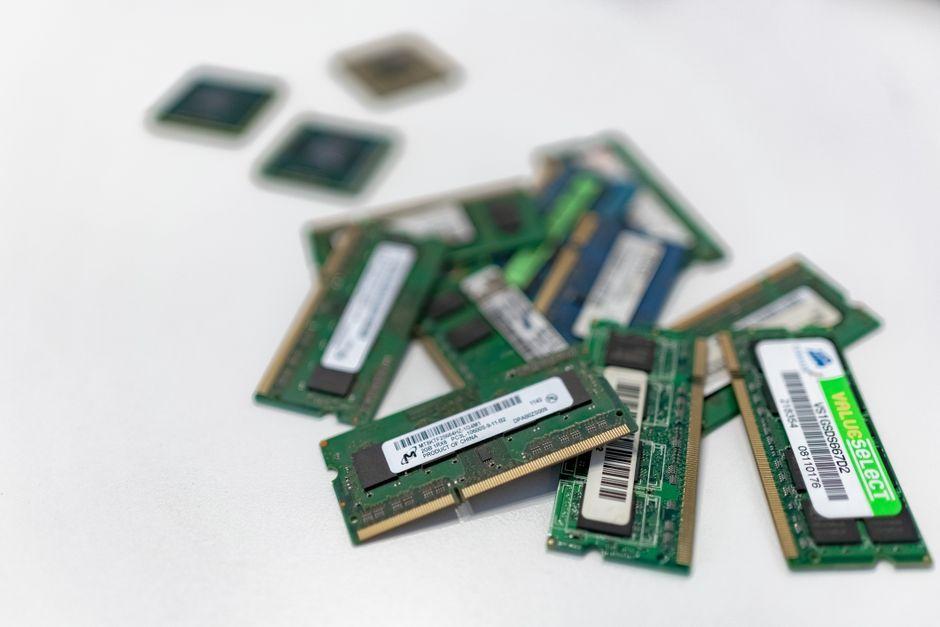
Stock photo for illustration only, not from the actual event
- Samsung forecasts the memory shortage will intensify in 2027 and extend through 2028
- Retail prices for RAM kits, gaming consoles, and pre-built PCs are projected to rise
- The crisis directly impacts console pricing including Sony's PS5, Xbox, and Valve's Steam Machine
- Deloitte report shows a nearly 340 percent jump in top chipmaker investments, but new supply won't arrive until 2029-2030
The ongoing RAM shortage shows no signs of easing, with reports from TweakTown indicating that Samsung has warned the situation may become the new normal for the computer hardware industry. This ongoing crunch is set to directly impact consumers through steadily climbing retail prices across memory kits, gaming consoles, and pre-built desktop computers.
Jae-june Kim, Executive Vice President of Samsung's Memory Business, disclosed to investors during a recent earnings conference call that the company does not anticipate seeing any supply increases through 2028, while warning that supply constraints will become even more severe in 2027.
"The company believes that no supply increase is likely to be seen through 2028, and supply constraints are expected to become even more severe in 2027."
Jae-june Kim
This dynamic directly impacts retail pricing strategies for gaming hardware. Sony's PS5 price adjustments, Microsoft's Xbox Series X and Xbox Series S pricing, and upcoming next-generation consoles all face the same upward pricing pressure. Valve's Steam Machine has also been caught in the crunch; after previously targeting a 750 USD starting price point, Valve was left with no choice as they are unable to subsidize the Steam Machine in the same manner they did with the Steam Deck.
This RAM shortage differs from previous supply chain bottlenecks because it is deeply tied to massive infrastructure investments in artificial intelligence (AI), which compete directly with the consumer market for wafer allocation and manufacturing capacity. As fabrication plants prioritize high-margin enterprise AI accelerators, traditional consumer-grade memory production takes a back seat, locking consumers into higher hardware costs for the foreseeable future.
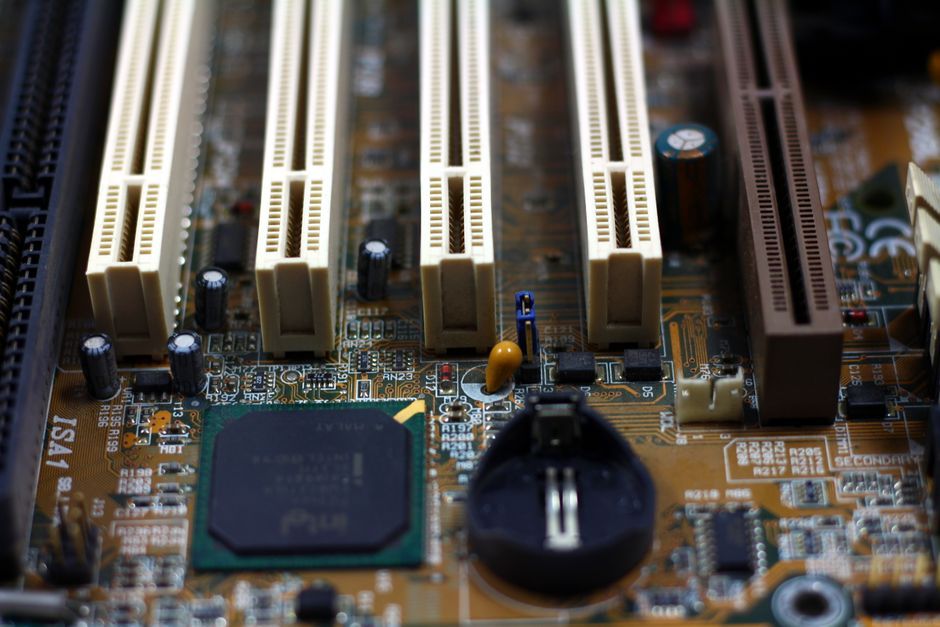
Stock photo for illustration only, not from the actual event
Providing a broader industry outlook, Gamesbeat highlighted a Deloitte report estimating that combined capital expenditures from the top three memory manufacturers—Samsung, SK Hynix, and Micron—will surge by nearly 340 percent between 2024 and 2027. However, new supply resulting from these investments is not expected to materialize until 2029 or 2030, suggesting that Samsung's forecast might actually be overly optimistic regarding the severity of the shortage.
Consequently, manufacturers and consumers alike may be reaching a point where the RAM crisis becomes the new normal, plunging the computer hardware market into complete instability. Meanwhile, graphics card pricing has also hit multi-decade lows in terms of market health, highlighted by Nvidia bringing older cards like the RTX 3060 back to the market alongside AMD launching the 8GB Radeon RX 9050, leaving little room for optimism in the near term.
Source: Thairath Lifestyle
Found something wrong in this article? Report an issue with this article
Comments
Leave a Comment