

Planned Amazon data center could become the biggest climate polluter in the U.S.
Amazon's planned data center in Texas featuring an on-site natural gas power plant could emit up to 33 million tons of carbon dioxide annually.
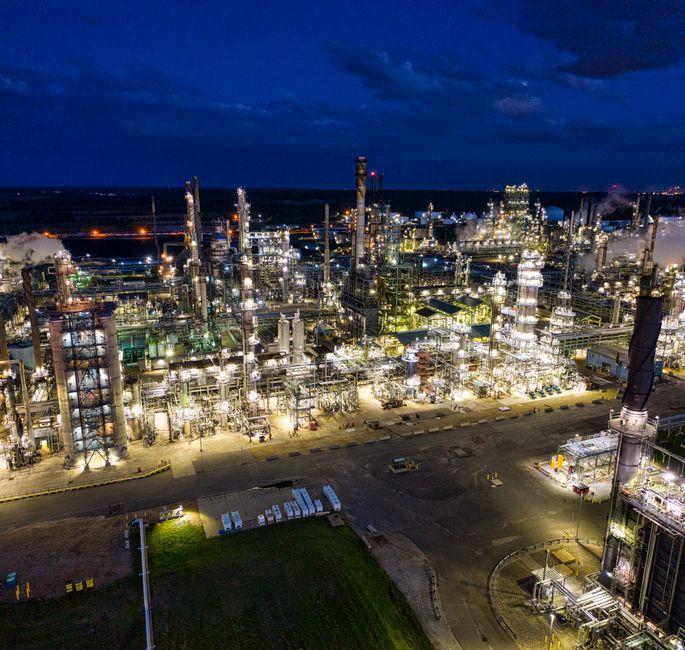
Stock photo for illustration only, not from the actual event
- Amazon is investing in an on-site power plant for a planned data center in Pecos County, Texas.
- The plant is permitted to release 33 million tons of carbon dioxide per year.
- The expansion of AI has driven up Amazon's carbon emissions by 16% over the past year.
Amazon is moving forward with plans for a new data center in Pecos County, Texas, which includes an investment in an on-site power plant that could potentially become the single largest source of climate pollution in the United States, according to a report by The New York Times.
The report notes that the facility will operate by burning natural gas and holds permits allowing it to release 33 million tons of carbon dioxide annually—surpassing any other power generation facility in the country.
In an official statement, an Amazon spokesperson defended the project, confirming that the data center will rely on new on-site generation designed specifically to avoid raising electricity costs for Texas families. Data centers are currently facing heightened political scrutiny regarding their strain on local power grids and utility pricing.

Stock photo for illustration only, not from the actual event
"The world looks different now than when we co-founded the climate pledge, but our commitment hasn’t changed."
Amazon spokesperson
Artificial intelligence has already left a measurable footprint on Amazon's environmental metrics, with the company reporting a 16% surge in carbon emissions last year—moving in the opposite direction of its stated pledge to eliminate carbon emissions entirely by 2040. This trend risks accelerating as technology companies back massive natural gas infrastructure to sustain power-hungry data centers.
The reliance on dedicated fossil fuel power plants to sustain energy-intensive AI workloads highlights a growing friction between the rapid scale-up of advanced computing and corporate net-zero commitments. Securing continuous power supply via natural gas risks undermining long-term climate targets across the tech industry.
Source: TechCrunch
Found something wrong in this article? Report an issue with this article
Comments
Leave a Comment