

Australia Extinction Crisis and the Numbats Hope
South-western Australia has become a global extinction hotspot, but the endangered numbat marsupial offers a rare glimmer of hope amidst a deepening biodiversity crisis.
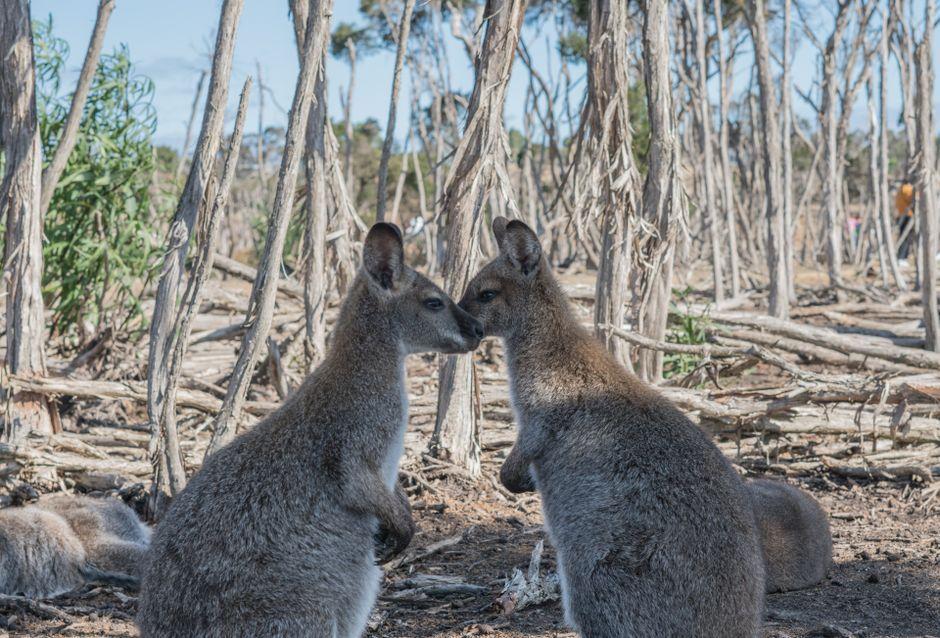
Stock photo for illustration only, not from the actual event
- Australia faces a severe extinction crisis losing roughly four species every decade
- Dryandra Woodland in Western Australia serves as a crucial refuge for the rare numbat
- Major threats include feral pests, disease, urban development, and climate change
- Conservation efforts and breeding programmes recently helped remove numbats from the red list
Eyes peeled comes the order from the front passenger seat as we scan the low scrub and vivid wildflowers in Dryandra Woodland, located in the south-western corner of Australia. We are searching for the numbat, a rare Australian marsupial that resembles a cross between a chipmunk and an anteater. Once widespread across the bottom half of the continent, these unique animals now survive in only a handful of isolated locations.
This annual field trip helps researchers monitor the survival of numbats, which were officially classified as endangered until this month when conservation efforts helped scratch them off the international red list. This provides a rare glimmer of hope in a country experiencing an escalating extinction emergency, losing approximately four plant and animal species every decade.
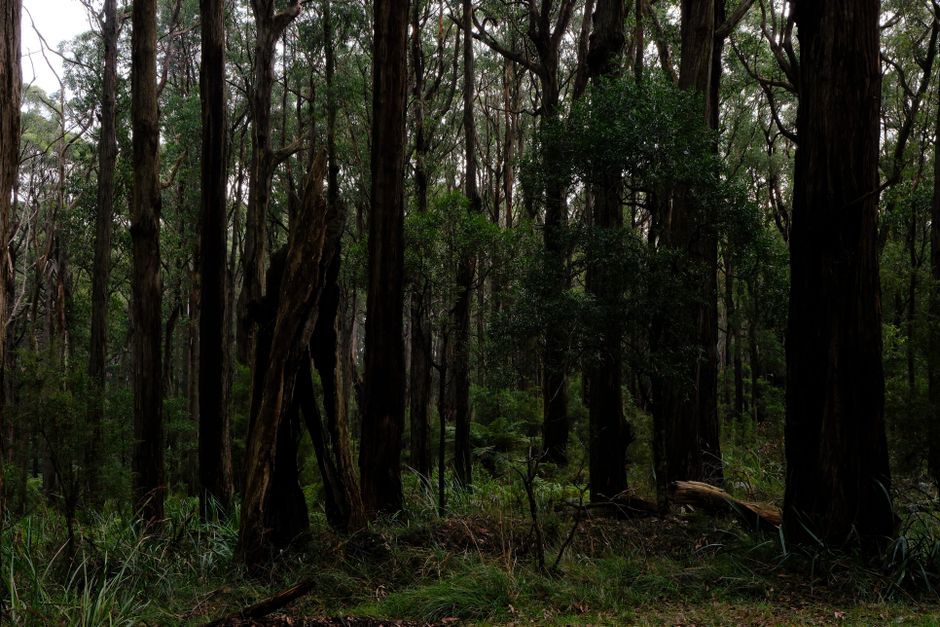
Stock photo for illustration only, not from the actual event
Dr. Tony Friend, a pioneering conservationist in Western Australia who began working at Dryandra back in the 1980s when the local numbat population dropped below 50, explains the meticulous survey process. For two weeks each spring, the team drives daily circuits, logging GPS coordinates, measuring distances to roads, and estimating animal density and population health in woods bordered by razed farmland.
Australia's biodiversity crisis involves a complex web of compounding threats, from invasive species and deadly pathogens to habitat destruction. This highlights that localized conservation and breeding efforts alone cannot succeed without rigorous predator control and large-scale systemic policy actions.
The relentless drivers of extinction include introduced pests such as fire ants, cane toads, rabbits, foxes, and feral cats, with feral cats alone estimated to kill roughly three billion animals in Australia each year. Additional pressures include invasive weeds choking the bush, chlamydia pushing koalas to the brink, chytrid fungus causing multiple frog extinctions, and climate-driven disasters like the catastrophic Black Summer bushfires of 2019-2020.
While targeted breeding programmes, fenced nature reserves, and habitat protection projects offer a lifeline, they struggle to keep pace with widespread destruction and face ongoing challenges like inbreeding and overpopulation. Scientists warn that without urgent intervention and political courage, Australia's unique biodiversity is heading toward an irreversible collapse.
Source: BBC Science & Environment
Found something wrong in this article? Report an issue with this article
Comments
Leave a Comment