

Mount Toba eruption doesn't seem like it could nearly kill our species
Recent scientific findings suggest the massive volcanic eruption had minimal climate impact, challenging long-held extinction theories.
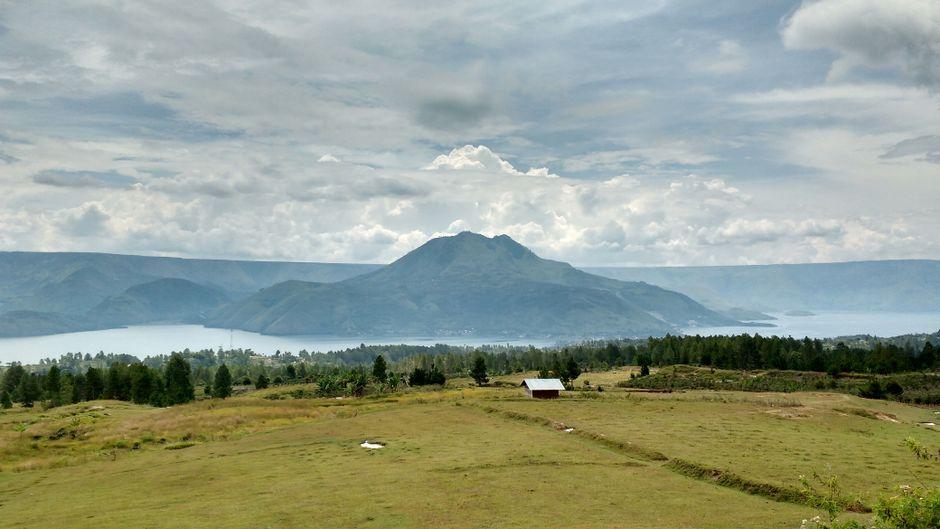
Stock photo for illustration only, not from the actual event
- The massive Toba eruption is being re-evaluated for its true climate impact
- New evidence indicates the disaster may not have nearly wiped out humanity
- Researchers found that environmental disruption was much lower than previously assumed
The colossal eruption of Mount Toba has long been cited as a pivotal catastrophe that supposedly plunged the Earth into a severe volcanic winter, nearly driving the human species to the brink of extinction. However, modern scientific investigations are challenging this dramatic narrative with fresh empirical data.
By examining geological archives and climate proxies, researchers have discovered that the actual atmospheric and climatic consequences of the eruption were surprisingly mild. This directly contradicts the long-standing genetic bottleneck theory which posited that early human populations plummeted drastically due to the disaster.
The Toba catastrophe hypothesis was once the textbook explanation for low genetic diversity in modern humans. Advanced dating techniques and high-resolution environmental proxies are now revealing that ecosystems and ancient human groups possessed far greater resilience than previously given credit for.
These revelations compel the scientific community to re-examine ancient climate models and reassess how planetary-scale natural disasters actually shape evolutionary history, shifting away from catastrophic determinism toward a more nuanced understanding of ancient survival.
Source: Ars Technica
Found something wrong in this article? Report an issue with this article
Comments
Leave a Comment