

Why We Learn to Love Bitter Melon As We Grow Up: The Science of Taste
Debunking the myth that eating bitter vegetables means you are getting old by exploring how taste buds change over time, along with cooking tips and popular recipes.
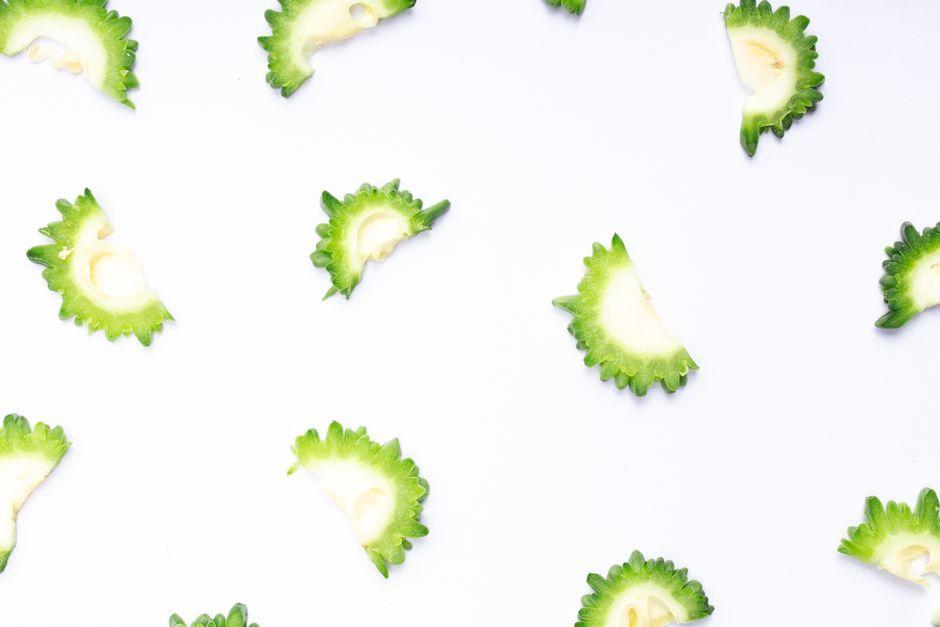
Stock photo for illustration only, not from the actual event
- Enjoying bitter food is not a sign of aging but a natural development
- Children have 10,000 taste buds highly sensitive to bitterness to prevent toxins
- Taste bud density declines with age allowing appreciation of hidden sweetness
- Bitter melon is packed with charantin which helps lower blood sugar
Many people often joke that liking bitter melon or black coffee is a sign of getting older. In reality, enjoying bitter flavors does not indicate that someone has entered old age. This phenomenon is closely related to the natural biological changes in our palate and a lifetime of accumulated eating experiences.
Why do we start enjoying bitter melon, black coffee, or bitter vegetables more deliciously than we did in childhood? The answer is that liking bitter food is not always a sign of growing old, but rather the result of natural taste system changes combined with increased eating experience, which can be broken down into specific reasons:
- Decreased number of taste buds: Children have about 10,000 taste buds and are exceptionally sensitive to bitterness as a natural defense against toxins. As people enter adulthood and senior years, the number of taste buds gradually decreases along with their sensitivity to bitter tastes.
- Experience and familiarity: Eating habits develop with age. As we grow, the brain learns that the bitterness from vegetables like bitter melon is harmless, fostering familiarity and allowing us to taste the underlying sweetness hidden behind the bitterness.
In addition, both Chinese bitter melon and small bitter gourd are classified as local Thai herbs and vegetables with high nutritional value, offering these core benefits:
- Helps lower blood sugar levels: Contains charantin and polypeptide-p with insulin-like mechanisms.
- Stimulates appetite: The bitter taste stimulates digestive juices in the stomach.
- Rich in antioxidants: High in vitamin C and beta-carotene to support vision and boost immunity.
Comparing life stages, children have extremely high sensitivity to bitterness with a natural instinct to avoid toxins, whereas adults and seniors experience naturally reduced sensitivity and can appreciate complex, beneficial flavors.
Stock photo for illustration only, not from the actual event
From a nutritional perspective, rejecting bitter vegetables in childhood is an evolutionary survival mechanism since most natural poisons taste bitter. The body's reduction in taste bud sensitivity during adulthood allows us to access valuable nutrients and phytochemicals from these gourd plants that cannot be found in purely sweet or salty foods.
For those looking to cook bitter melon but worried about the intensity, here is a list of highly popular menu items.
- Stuffed Bitter Melon Soup with Minced Pork: A classic clear broth dish using Chinese bitter melon cut into sections, scraped out, rubbed with salt to reduce bitterness, stuffed with minced pork and glass noodles, and simmered over low heat for a sweet broth and tender melon.
- Stir-Fried Bitter Melon with Egg: A simple homemade dish featuring thinly sliced bitter melon rubbed with salt, briefly blanched in hot water, and high-heat stir-fried with chicken eggs and garlic for a crispy exterior and tender interior.
- Steamed Stuffed Bitter Melon with Milk / Soy Sauce: A Chinese-style recipe using bitter melon stuffed with minced pork or shrimp, steamed until cooked, and drizzled with light soy sauce and fragrant garlic oil, ideal for avoiding frying oil.
- Spicy Raw Bitter Melon Salad with Fresh Shrimp: A vibrant dish for spice lovers using thinly sliced Chinese bitter melon soaked in ice water for crispness and reduced bitterness, tossed with spicy dressing, boiled fresh shrimp, and minced pork.
- Bitter Melon Chicken Noodle Soup: A popular Thai street food dish utilizing bitter melon boiled until tender in chicken noodle soup or served fresh and thinly sliced to elevate the rich broth.
To handle bitterness before cooking, follow these preparation steps and results:
- Using fine salt: Slice the bitter melon, sprinkle with salt, rub gently, leave for 15 to 20 minutes, and rinse off to draw out bitter juices.
- Hot water blanching: Blanch the melon in boiling water with a little salt for 1 to 2 minutes to keep the vegetable bright green and reduce harshness.
- Scraping the white pith: Scrape away the inner white tissue completely until the green flesh is exposed to remove the main source of bitterness.
Source: Thairath Lifestyle
Found something wrong in this article? Report an issue with this article
Comments
Leave a Comment