

How to Repel Centipedes: 5 Natural Methods and First Aid Guide
Discover effective ways to keep centipedes out of your home using everyday items, along with official first aid steps from the Department of Medical Services.
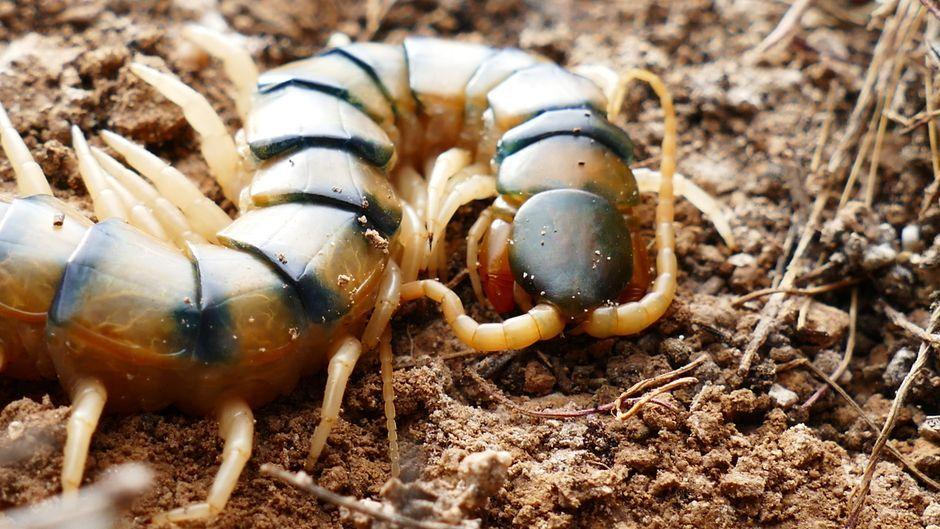
Stock photo for illustration only, not from the actual event
- Spray diluted vinegar, eucalyptus, or peppermint oil in dark corners and gaps
- Apply agricultural lime and rosin powder around entry points to irritate pests
- Pour soapy water or detergent down drains to destroy hiding environments
- Wash wounds with soap and water, then apply cold compresses if bitten
Dealing with venomous pests like centipedes invading living spaces can be effectively managed using natural ingredients and common household items that help repel and control their population safely.
Because centipedes possess a highly sensitive sense of smell, pungent aromas serve as a powerful deterrent. Spraying a mixture of water and vinegar, or essential oils such as eucalyptus and peppermint (Peppermint), into gaps and dark corners disrupts their senses and deters them from entering the area. Additionally, combining liquid soap with clove essential oil to spray or apply along window frames and door crevices creates an invisible scent barrier that centipedes strongly dislike.
Surface conditions also play a crucial role in pest control. Scattering agricultural lime and rosin powder around the base of the house, drainage pipes, and entryways creates a dry barrier that irritates a centipede's outer skin, preventing it from crawling across. Meanwhile, pouring water mixed with laundry detergent or dish soap into damp drains disrupts surface tension and ruins their ideal hiding spots. If a centipede is spotted indoors, directly spraying an insecticide containing Pyrethroids offers a quick way to handle the situation immediately.

Stock photo for illustration only, not from the actual event
Long-term centipede prevention relies less on killing individuals and more on sealing entry points and eliminating moist habitats. According to the Department of Medical Services, key preventive measures include installing fine mesh floor drains, applying rubber door seals to block gaps, and regularly clearing away damp leaf litter and overgrown branches around the property to remove both shelter and the insects that centipedes feed on.
If prevention fails and a centipede bite occurs, the Department of Medical Services outlines specific symptoms and proper first aid procedures to ensure safety. Centipede venom typically causes pain, muscle cramping, swelling, and redness around the wound, which should be managed with the following steps:
- Immediately wash the wound clean with fresh water and mild soap
- Apply a cold pack to the affected area for 10-15 minutes at a time to relieve pain and reduce swelling
- Rush the victim to the hospital for medical attention immediately if severe allergic reactions occur, such as chest tightness, breathing difficulties, or swelling of the face and neck
Source: Thairath Lifestyle
Found something wrong in this article? Report an issue with this article
Comments
Leave a Comment