

China evacuates over one million people as Typhoon Dolphin makes landfall
Chinese authorities have evacuated more than one million residents as Typhoon Dolphin strikes eastern China with 150 km/h winds, paralyzing transport and flooding cities.
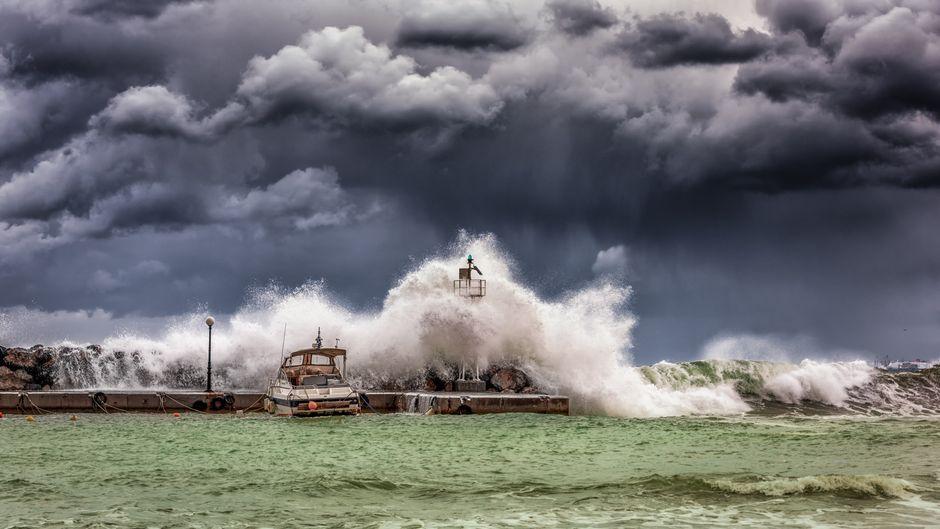
Stock photo for illustration only, not from the actual event
- Typhoon Dolphin struck Yuhuan in Zhejiang province packing maximum winds of 150 km/h.
- Chinese authorities initially issued a top-tier red alert before downgrading to a tropical storm.
- Over 1,400 flights were canceled in Shanghai alone and regional transport was halted.
- A nine-year-old boy is reported missing after being swept into the sea in Wenling.
Chinese authorities have evacuated more than a million individuals from their residences across eastern China, including Shanghai, as Typhoon Dolphin made landfall. Meteorological agencies reported that the storm struck Yuhuan in Zhejiang province with maximum wind speeds reaching 150 km/h (94 mph) at 17:30 local time, before hitting the city of Wenzhou for a second landfall approximately an hour later.
The severe typhoon crippled transportation networks throughout the region, forcing the cancellation of 1,400 flights in Shanghai alone. Although authorities had earlier issued their highest-level red alert for the storm, it was downgraded to a tropical storm by Monday morning. Nevertheless, the system continues to push inland, bringing warnings of torrential rain, severe flooding, and landslide risks through Wednesday across provinces such as Shandong, Henan, Hubei, Anhui, Jiangsu, Zhejiang, and Shanghai.
Local governments have strongly advised citizens to stay indoors and avoid outdoor activities, while major tourist attractions remain shut, including sections of Disneyland, Legoland, and observation decks along Shanghai's Bund. State media footage displayed ground-floor establishments submerged in ankle-deep water within Shanghai's historic French Concession. Additionally, several state outlets reported that a nine-year-old boy from Wenling, Zhejiang, is missing after being swept into the sea, though officials have confirmed zero casualties so far.
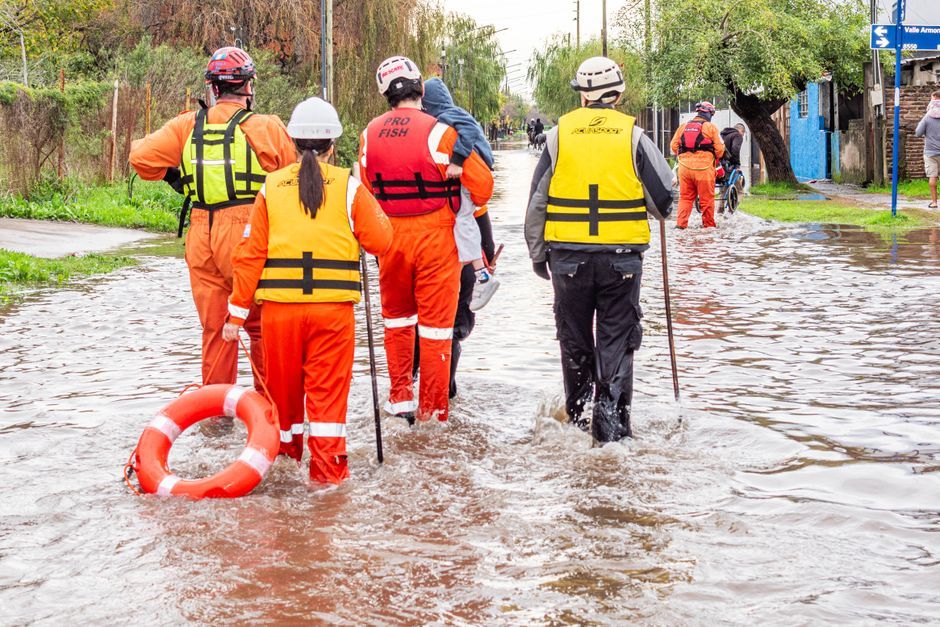
Stock photo for illustration only, not from the actual event
Forecasters warn that parts of Zhejiang could accumulate between 250 mm and 500 mm of rain over the coming days. In response, authorities in the provincial capital of Hangzhou waived public parking fees to encourage drivers to seek safe shelter from the fierce winds and rising waters. Wenzhou officials have relocated roughly 900,000 residents and opened over 1,000 emergency shelters, while about 390,000 people were evacuated in Taizhou. In Fujian province, maritime officials suspended dozens of passenger ferries and halted over 100 offshore construction projects.
CCTV, China's state broadcaster, highlighted that Typhoon Dolphin traveled an extraordinary distance of 6,000 km before making landfall, boasting a lifespan triple that of a typical typhoon alongside a massive circulation size and intense precipitation capacity. Climatological experts note that this extreme behavior occurs during a strong El Niño year, which naturally fuels the development of more powerful and intense typhoons in the western Pacific.
The disaster also sparked a wave of digital misinformation, prompting state media to report the detention of two individuals. A 60-year-old man was arrested for generating an AI fake video claiming someone fell from a building in Shanghai, while a 32-year-old man was detained for misleadingly re-editing storm footage. Before targeting China, Dolphin unleashed torrential rains across the Philippines, northern Taiwan, and Okinawa, Japan. The storm left eight dead in the Philippines due to monsoon rains with over 7,000 in evacuation centers, caused minor injuries to five elderly individuals in Okinawa, and brought record-breaking warm temperatures of 36.9C to Hong Kong.
Source: BBC Science & Environment
Found something wrong in this article? Report an issue with this article
Comments
Leave a Comment