

'Not afraid to stay': The Canadians fighting wildfires themselves
Some Canadian residents are defying evacuation orders to protect their homes, while experts train remote communities in self-defense against wildfires.
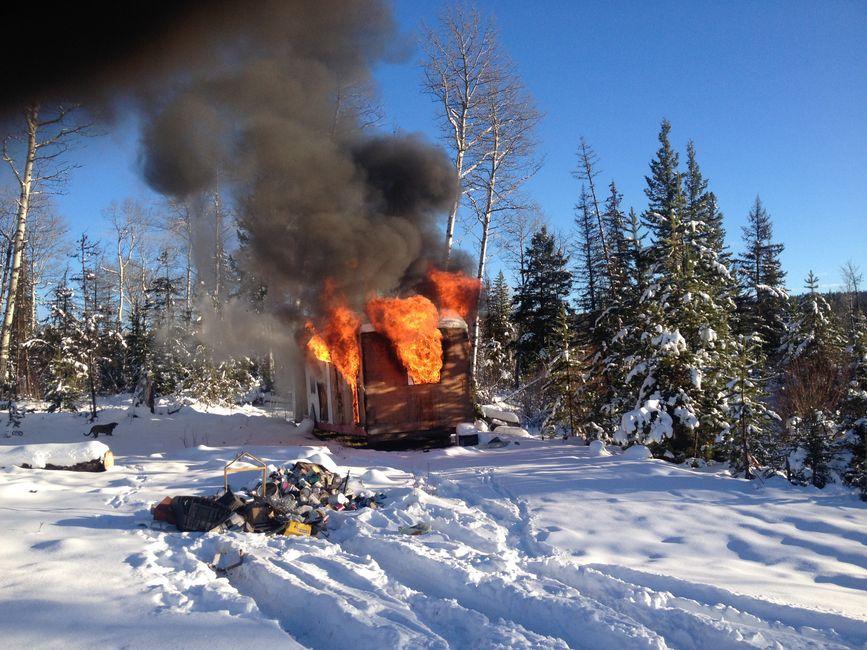
Stock photo for illustration only, not from the actual event
- Some Canadians are staying behind to fight wildfires and protect elders despite potential fines.
- Indigenous community leaders urge residents to evacuate due to stretched firefighting resources.
- Grassroots rural groups in British Columbia are stepping up training for local wildfire response.
One resident set up roof sprinklers to extinguish falling embers, checked on elderly community members who also stayed behind, and fuelled up four boats by the lake in case a quick escape became necessary. Canada has encountered some of its worst fire seasons in recent years, recording its most destructive season in 2023 when blazes burned forest land roughly the size of Syria. As of this August, more than 750 active wildfires continue to burn across the country.
The smoke has traveled as far as the US Midwest, choking cities with poor air quality. Even US President Donald Trump took notice, threatening additional tariffs against Canada for allowing polluted air to drift southward. These intensifying blazes have triggered a national debate over whether there are enough firefighters, what happens when resources stretch too thin, and how remote communities near Canada's vast boreal forests can adapt to this reality.
Wigwas asked himself these exact questions before deciding to stay, even while facing a fine of around C$800 ($570; £425) for defying evacuation orders. Leaders of Gull Bay First Nation, also known as Kiashke Zaaging Anishinaabek, have urged residents to stay away since mid-July as more than 150 wildfires burn across northwest Ontario.
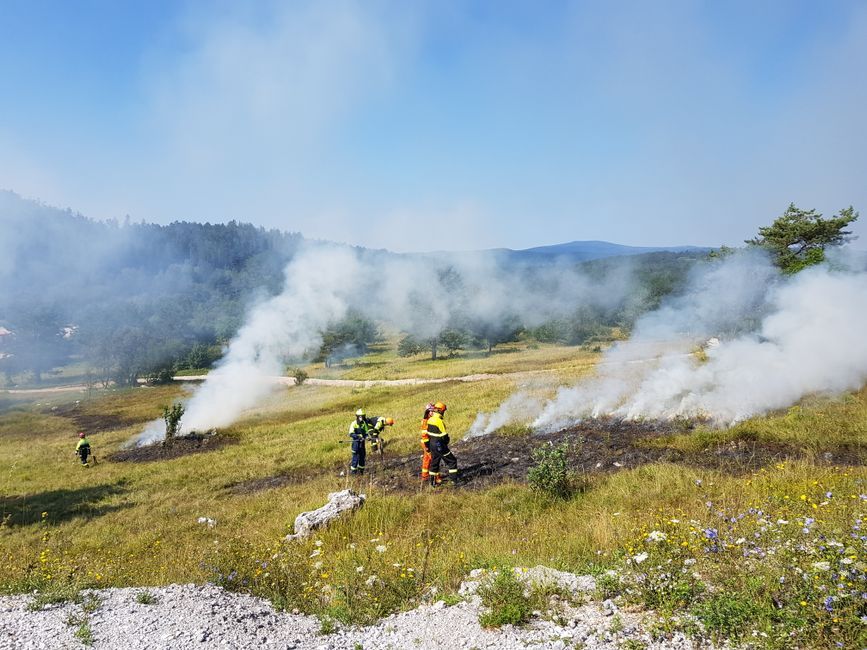
Stock photo for illustration only, not from the actual event
The friction between evacuating residents and emergency enforcement highlights a deep cultural and logistical divide during natural disasters. While officials prioritize human life and unobstructed rescue operations, residents often feel compelled to defend ancestral properties from slow-moving government response teams, prompting local self-sufficiency initiatives.
The community chief issued a letter on July 29 pleading with remaining residents to leave immediately, stating that Ontario firefighters cannot safely do their jobs while people remain inside their homes. Officials across British Columbia, where approximately 115 fires burn, have echoed this exact message. However, with a wildfire burning 24km outside his community in late July, Wigwas had yet to see outside personnel arrive to help fireproof properties or watch over the elders.
This absence made him realize his First Nation would benefit from organizing its own wildfire emergency response and training residents to protect their properties. Wigwas noted that climate change is frequently discussed, but concrete systems uniting First Nations reserves remain scarce. He added that official firefighting resources are allocated primarily based on fire behavior, weather conditions, and community risk levels.
"Everybody talks about climate change, but nobody is doing something to unite the (First Nations) reserves and have a system like that set up,"
Wigwas
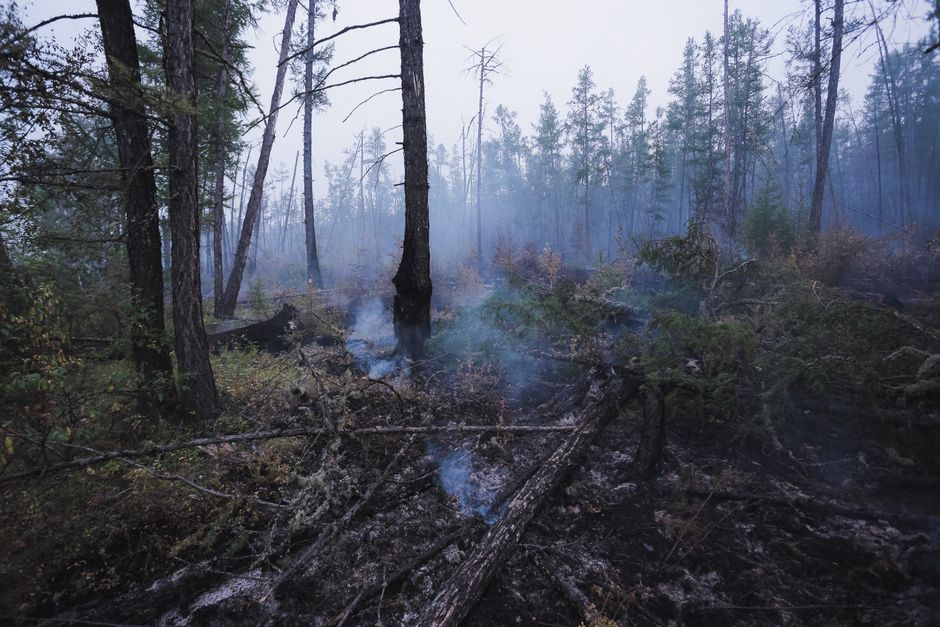
Stock photo for illustration only, not from the actual event
In British Columbia, residents are mirroring the exact approach Wigwas envisions, training rural and remote communities to respond safely before external crews arrive. Sonja Leverkus, a wildfire researcher, stated she has helped train over 400 people around Fort Nelson over three years through the Northeast BC Rural Incident Management Team. She explained that remote communities hundreds of kilometres away often drop in priority when larger populated areas face immediate threats.
Her indigenous-led crew has conducted hazard reduction burns and extinguished smaller fires using fundraising-bought fire wagons, sometimes arriving ahead of provincial crews. Although Leverkus' group lacks official government recognition, their actions underscore ongoing tensions in fire-prone areas between emergency enforcers and residents determined to stay behind.
Source: BBC Science & Environment
Found something wrong in this article? Report an issue with this article
Comments
Leave a Comment