

The limits of physics AI: where Siemens says the human stays in charge
Siemens highlights that while Simcenter PhysicsAI speeds up design simulations by 1,000 times, human oversight remains mandatory for safety-critical parts.
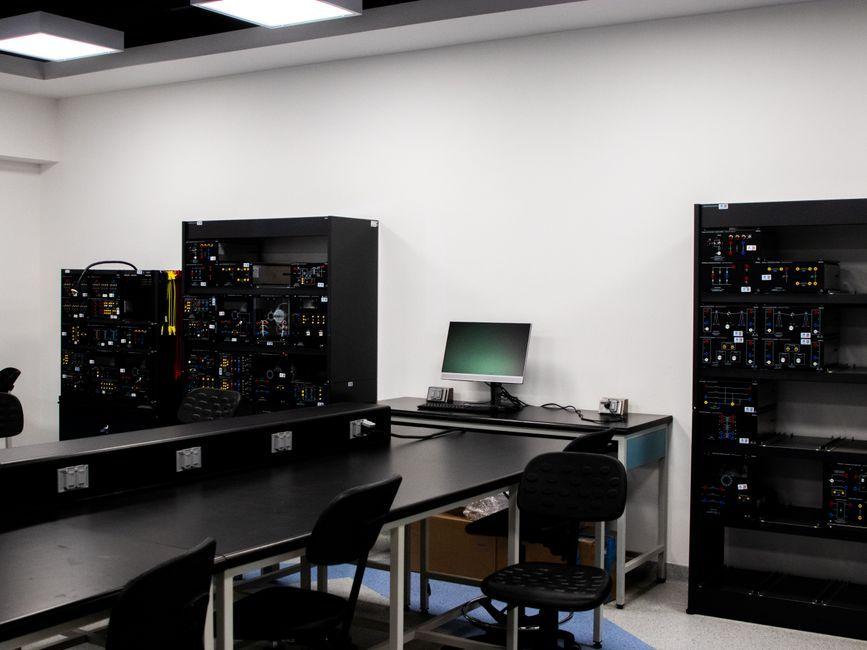
Stock photo for illustration only, not from the actual event
- Simcenter PhysicsAI accelerates design predictions up to 1,000 times faster than traditional methods.
- The technology has strict limits and cannot independently sign off on safety-critical components.
- Surrogate models learn from historical simulation data rather than computing physics from scratch.
- Siemens emphasizes defining clear boundaries to ensure engineers use the tool safely and effectively.
At a time when the broader technology industry rushes to position artificial intelligence as capable of handling almost any task, Siemens is deliberately drawing a hard line. Sam Mahalingam, who leads the business building the technology at Siemens Digital Industries Software, points out without hesitation that while physics AI can explore design variations at unprecedented speeds, it faces a firm boundary when it comes to signing off on safety-critical components.
The technology in focus is Simcenter PhysicsAI, a geometric deep-learning software designed to deliver design predictions up to 1,000 times faster than traditional solvers. Rather than computing physical laws from scratch every single time, the underlying mechanism relies on a surrogate model that learns from historical simulation data to estimate outcomes in mere seconds.
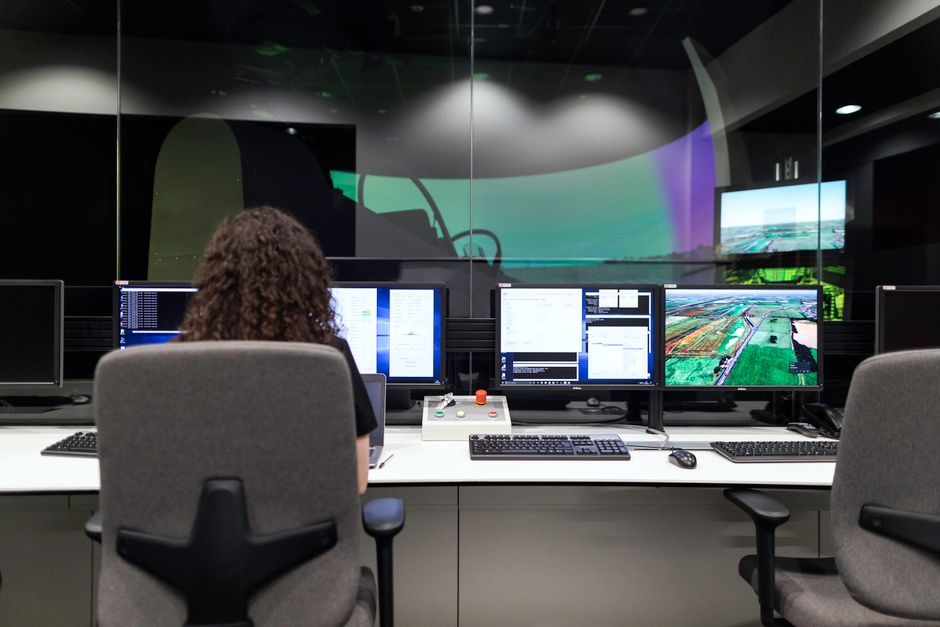
Stock photo for illustration only, not from the actual event
Addressing immediate concerns regarding accuracy, Mahalingam explained that engineers have long benchmarked simulations against physical testing until trust was established. Current measurements place the AI against that exact same baseline, with Siemens case studies showing only a 1% to 3% variation from traditional physics-based solvers when sufficient data is available.
"What we are seeing is that if you have sufficient data, it is very close to a physics-based solver."
A second limitation emerges from how these models are trained. Several headline achievements by Siemens, including projects involving Magna and Continental, rely heavily on AI trained using synthetic data generated by the company's own solvers rather than real-world physical measurements, raising questions about whether the AI can ever surpass the simulations that trained it.
In the context of industrial software development, Siemens' transparency serves as a calculated strategy against market hype. By openly defining where the technology excels—such as rapid design exploration—and where it falls short, the company builds long-term credibility with engineers who model complex structures like crash frames and jet engines where accuracy is non-negotiable.
Ultimately, Siemens positions AI not as an autonomous replacement, but as a rapid initial pass that widens the search space, while traditional physics solvers and human validators retain final authority over anything that must be definitively correct.
Source: AI News
Found something wrong in this article? Report an issue with this article
Comments
Leave a Comment