

SpaceX successfully launches Starlink V3 satellites, but Super Heavy booster still explodes
SpaceX successfully sends the third-generation Starlink satellites into space via the 13th Starship test flight, but continues to face booster explosion issues during a landing simulation in the Gulf of Mexico.

Stock photo for illustration only, not from the actual event
- SpaceX successfully deploys Starlink V3 satellites into orbit for the first time using the Starship vehicle on its 13th test flight.
- The Super Heavy booster fails to ignite for its landing simulation and explodes after crashing into the Gulf of Mexico.
- The upper-stage Starship vehicle completes its mission successfully, with no engine shutdown issues, and is able to float in the Indian Ocean.
- The new Starlink satellites burn up in the atmosphere 20 minutes after deployment, as they cannot yet reach permanent Earth orbit.
SpaceX successfully launched its first batch of third-generation Starlink satellites into space last Friday, utilizing an upgraded prototype Starship vehicle in what marked the 13th test flight for this mega-rocket. However, the company faced another setback when the Super Heavy booster experienced issues during a simulated landing in the Gulf of Mexico.
This rocket test launch took place following a previous Starship 13 launch attempt the week before, which had to be abruptly scrubbed immediately after ignition due to multiple rocket engine malfunctions. SpaceX stated that it replaced up to six engines ahead of Friday's flight schedule.
Developing a fully reusable large-scale rocket like Starship is an advanced engineering challenge. The fact that the Super Heavy booster continues to experience landing issues highlights the complexity of controlling combustion and velocity in the final stage. Even though the upper-stage vehicle is starting to become more stable, the booster recovery system remains a critical area that engineers must urgently improve to reduce future flight costs.
During Friday's launch, the booster achieved a longer flight distance than before, but failed to ignite all the engines necessary for the landing burn simulation. As a result, the booster impacted the water surface earlier than scheduled and ultimately exploded.
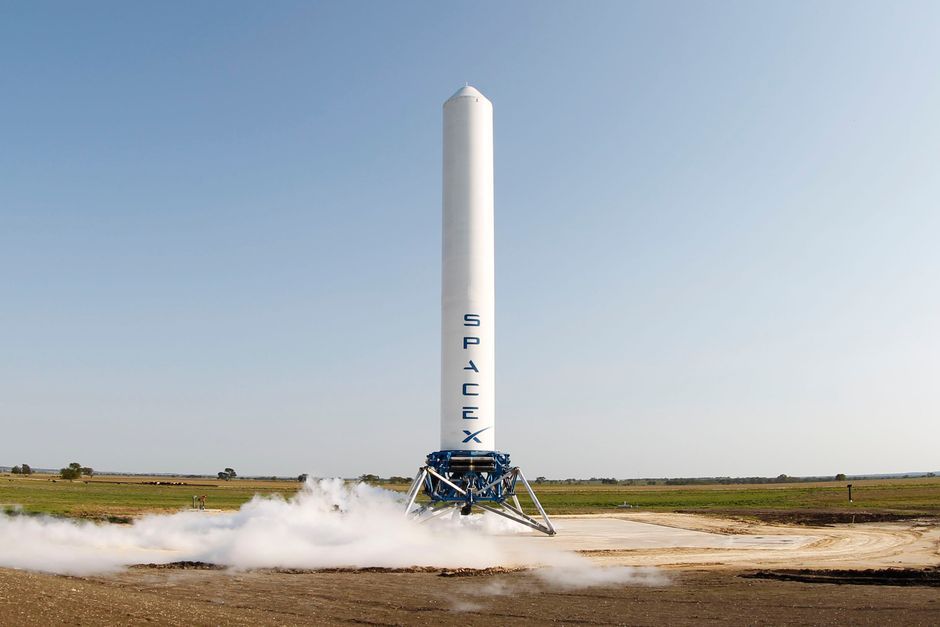
Stock photo illustration, not from the actual event
In contrast, SpaceX had better luck with the upper stage of the Starship V3. During the initial launch in May, the vehicle lost one engine, but in this test, Starship was able to travel and perform the new Starlink satellite deployment mission without any engine glitches.
Furthermore, the Starship vehicle survived the intense friction of re-entering Earth's atmosphere and successfully completed its Indian Ocean landing simulation about an hour after lift-off. Unlike previous missions where the vehicle typically exploded upon hitting the water, this time the vehicle was able to float on the surface, allowing the team to use a drone to closely inspect the condition of the thermal protection tiles underneath the belly.
As for the new Starlink satellites, they burned up and self-destructed in the atmosphere about 20 minutes after being deployed, because the current Starship vehicle cannot yet carry them into actual Earth orbit. However, SpaceX was able to establish communication with all the satellites while they were in space, marking a significant milestone for this program, which remains the company's only profitable business.
Source: TechCrunch
Found something wrong in this article? Report an issue with this article
Comments
Leave a Comment